






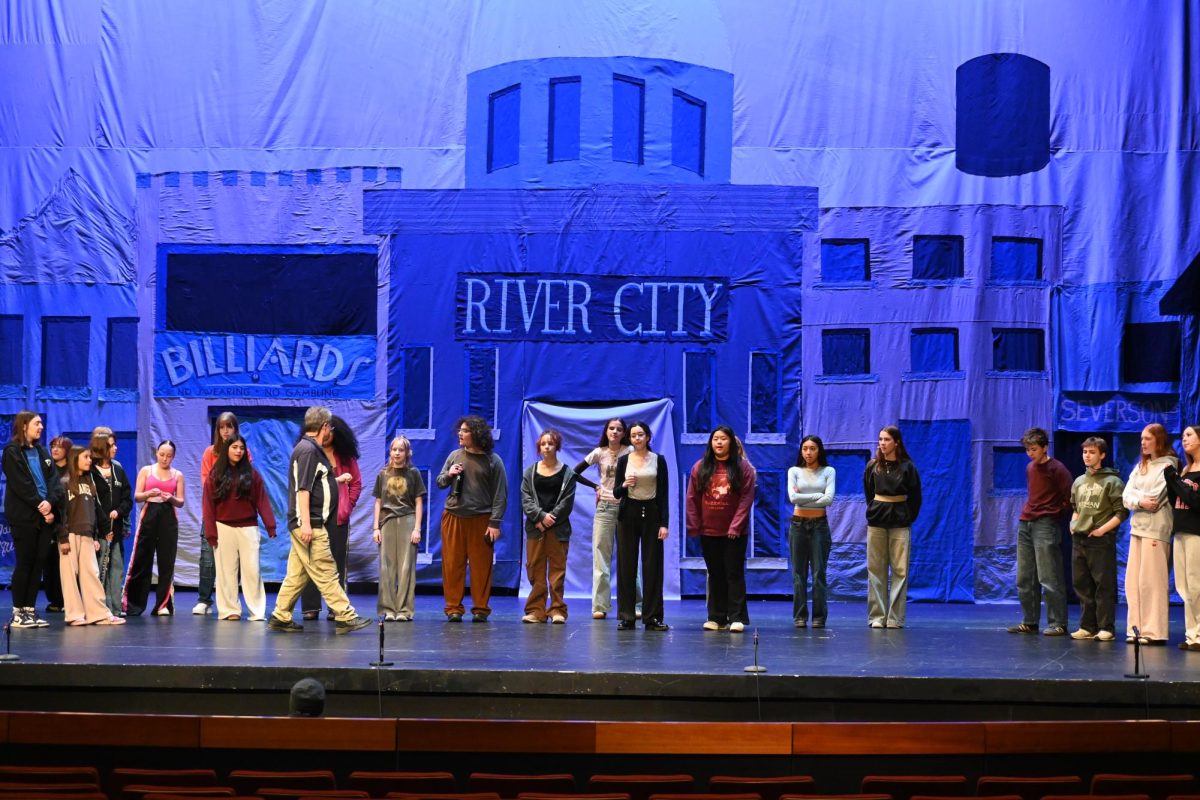
![CALCULATING THE CHANGES. As study habits have changed, the materials used have changed too. "I remember the day when [my brother] came home with his graphing calculator, [which] had Mario. And I was blown away," Spanish teacher Peter Daniels said. (Photos: Fair Use; Wikimedia Commons)](https://www.rubiconline.com/wp-content/uploads/2026/05/Untitled-design-4-1200x800.png)









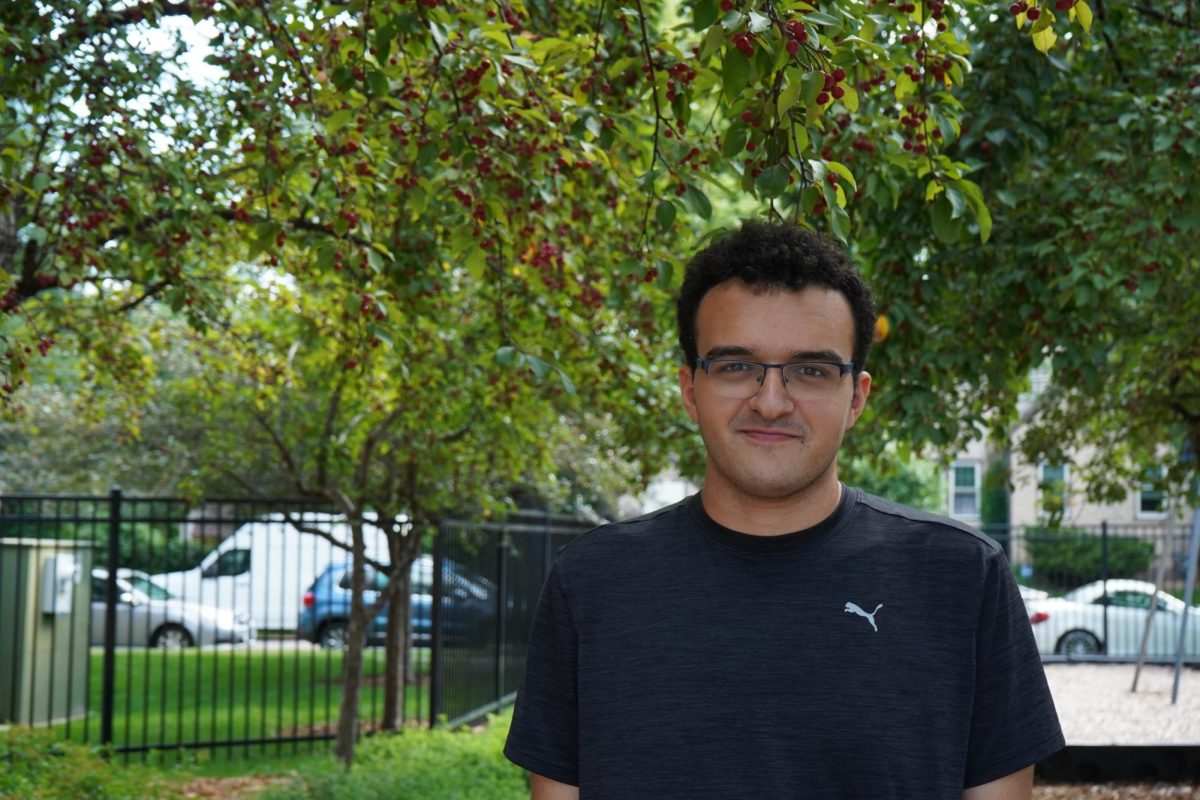







![BEWARE. Junior Maisy Torres was expecting a Nickelodeon ride when she entered the haunted house at the State Fair. What she encountered was much more horrifying. "There's not enough money in the world to pay me to do [it again]," Torres said.](https://www.rubiconline.com/wp-content/uploads/2026/05/Never-again-with-nabeeha-1-e1778077989386-1200x802.png)


![[QUIZ] What famous scientist are you?](https://www.rubiconline.com/wp-content/uploads/2026/01/Untitled-design-3.gif)





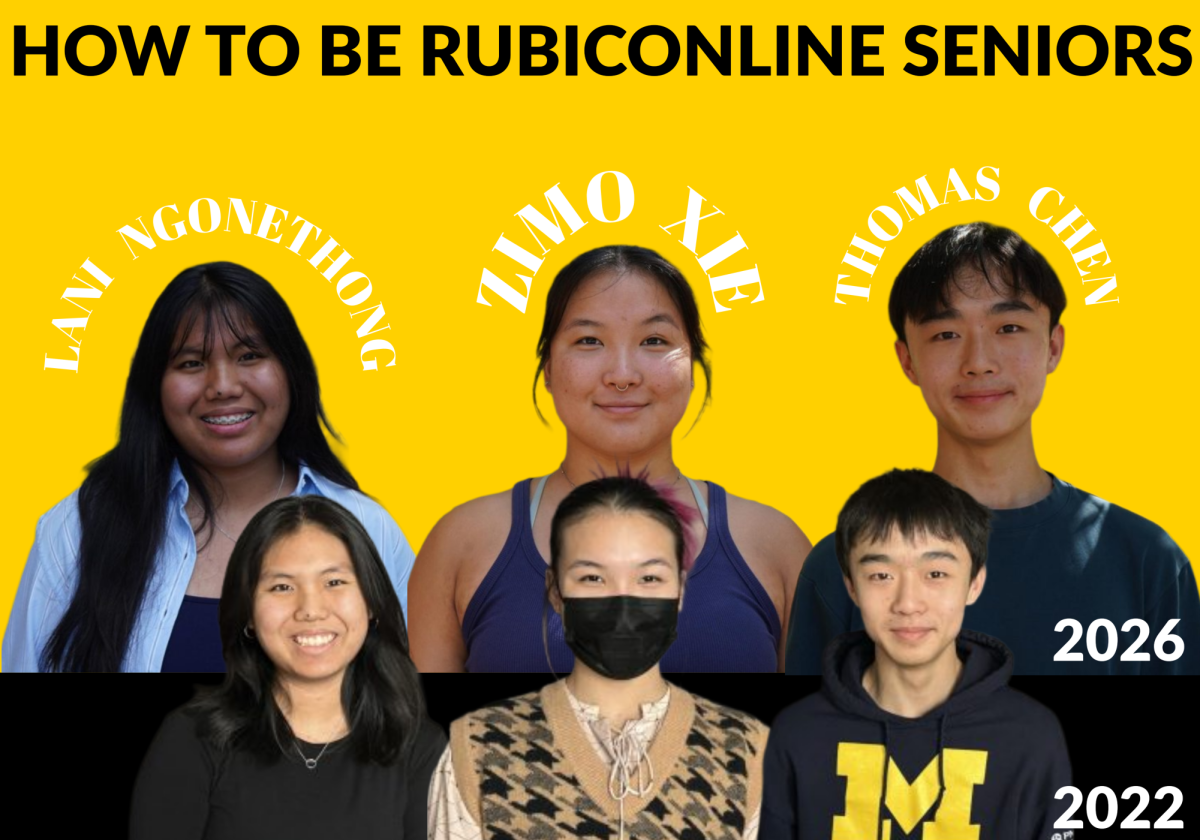
Amanda Hsu: The Rubicon’s 2026 senior graduating members will soon be leaving staff to continue their journey beyond SPA. With years of experience marked by tears, laughs and unforgettable memories, seniors Thomas Chen, Lani Ngonethong and Zimo Xie share their parting words of wisdom and tips to survive becoming a senior on RubicOnline.
Thomas Chen: My name is Thomas Chen. I am a senior and I’ve been on staff for four years. And this year, I’m the Director of RubicOnline.
Lani Ngonethong: My name is Lani Ngonethong. I’m the In-Depth editor and the Managing Editor of Community and Diversity, and I’ve been on staff for four years.
Zimo Xie: I’m Zimo. I’m a senior. I’ve been on staff for four years, and this year, I’m the Creative Design Manager.
Hsu: What has been your favorite part of being on staff so far?
Chen: My favorite part about being on staff is both the people in and out of the room that really gives you a reason to work with and talk to. I mean, there are people that I would never have even seen if I was not on staff, like I was in the payroll coordinator’s office the other week, and that is someone I would have never even known that existed here if I wasn’t on staff. And then obviously in the room, I think most of the time, we’re a great community. We have a lot of fun in there.
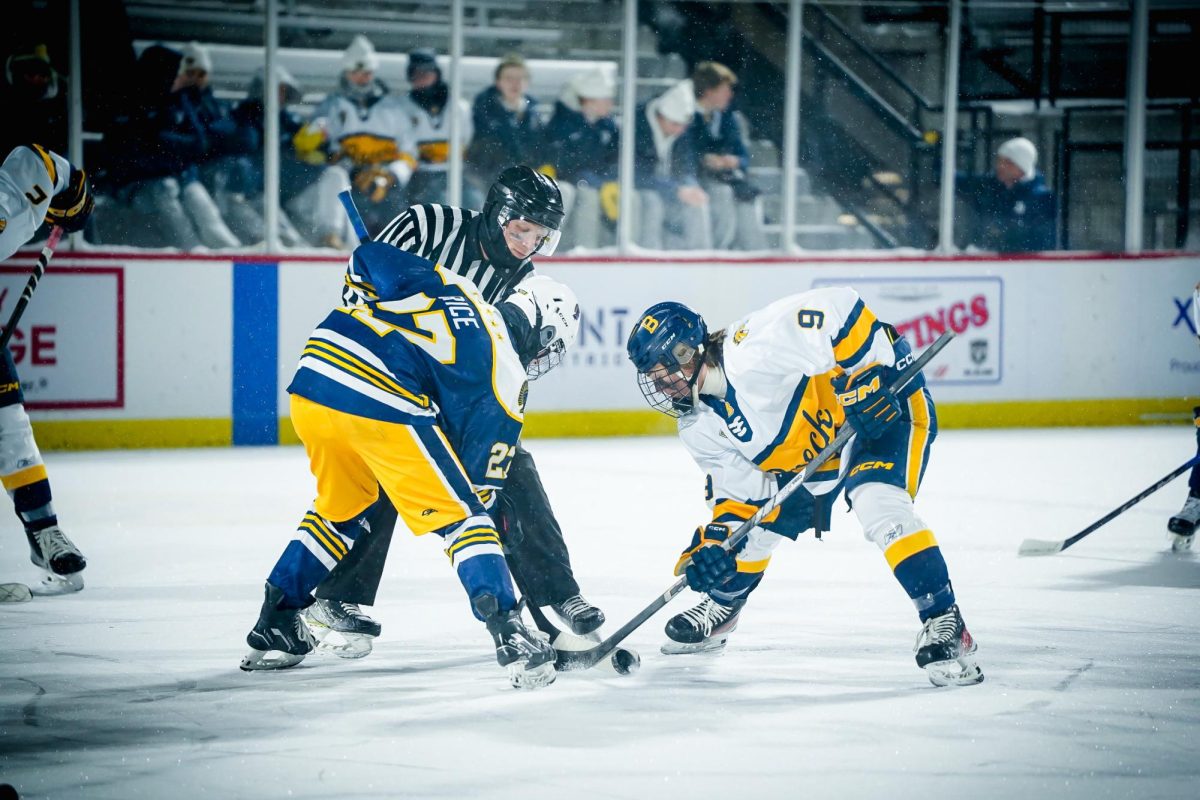
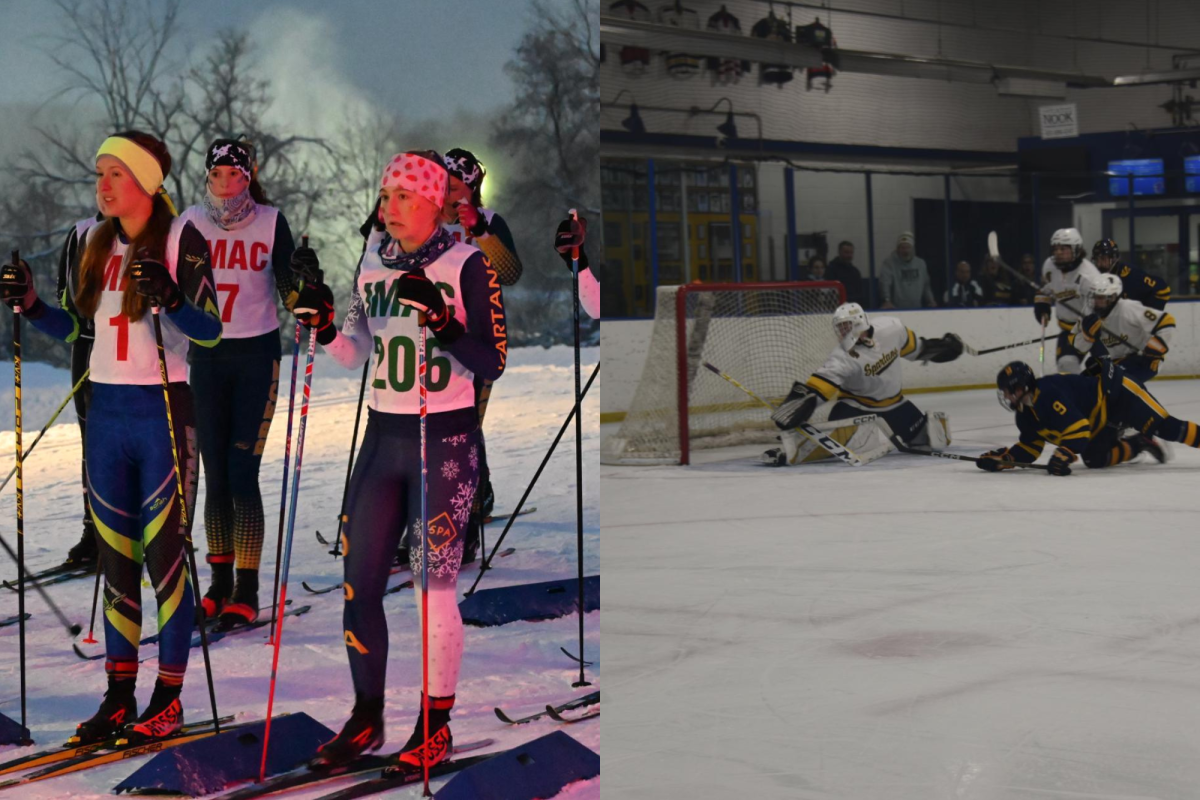
Ngonethong: Oh yes, same. I really felt like [being on staff] gave me an excuse to do more things in the school. I’m always such an introvert; for example, I don’t think I’d ever go to a hockey game. But it kind of forces you to go out there and be a little more extroverted. But I’ve enjoyed it so much. I ended up loving hockey games, so it’s all been great.
Xie: I think for me, I never expected to be joining student publications in high school. But I think what I really like about Rubicon is [going] out there and then [meeting] more people. I want to talk to more people in the school, and then this is kind of a way to get to know their stories, and then like hear who I’m surrounded by, and who I go to school with every single day.
Hsu: What is the most memorable moment you’ve had on staff?
Ngonethong: I think the most memorable moment that I really loved was our first convention trip to Boston. I had so much fun. Then the convention was awesome. Being roommates with Zimo was awesome. And just being able to be together in a really beautiful city was just so fun.
Chen: I think two of the moments that have been most memorable to me… Sorry, can I say two?
Hsu: Yeah.
Chen: Okay, they’re very random, but I think for no specific reason, but I just remember very well when we had a paper airplane competition, I think our sophomore year, so our first year really being editors on staff. I don’t know why I always think about that. And then my second moment would be when we were also sophomores, and the seniors that year, it was their last day, and for some reason, it just made me really upset and I was crying that day. So I feel like the most memorable moments for me have really been kind of random, just small moments that we’ve been together, and not really any massive journalism or like significant moment you would think you would that would be memorable.
Hsu: You cried?
Chen: Yeah, I actually did. It was embarrassing because no one else was crying.
Xie: No, but the seniors saw and they cried more. For me, I think the most memorable, well, two most memorable also, was the Boston trip. I think we just all got really close then that day, specifically going out to get cannolis together on that three-mile walk, probably less than that, but it took a long time. And then the other thing is just like the other conventions we go to normally, like the MHSPA one every single year that we go. I think it’s kind of become tradition that we all go as staff, and that’s like a really bonding moment, and then it really sets the tone for the rest of the year.
Hsu: If you had to describe your staff environment in one word, what would it be?
Chen: I’d say crazy, bouncing off the walls.
Hsu: So that’s four words.
Chen: In one word, you said? Very bold. I’d say bold. I think that’s a good way to describe our staff.
Ngonethong: Yeah, I’d say something along the lines of kind of chaotic, but in a good way. I think it’s good chaos.
Xie: I would say fun-loving, but with a hyphen in between.
Hsu: Fun-loving, okay. What is your favorite story or team story you’ve ever worked on?
Xie: The one that’s most memorable was my first Homecoming coverage week. I remember I drove over to Thomas’s house at 7 a.m. in the morning the next day to give him a camera.
Chen: I remember that, omg.
Xie: And then I wrote the story well into the night. And then I realized the next day that it wasn’t that deep, but I’m glad I got it up.
Ngonethong: This is hard. I kind of have two, one kind of serious one, one kind of fun one. One of the serious ones was when we were doing our Palestine and Israel coverage when the war first started in 2023. I was able to interview a Palestinian doctor, and our interview went on for an hour and a half, and it was just a really amazing talk, and I learned so much. The story ended up being about all these religious leaders coming together and showing that there’s peace in the world and that it’s not a religious issue, like how it was being [covered]. But another fun one is definitely my first homecoming coverage too. That was my first time doing sports. I think that was the last time I actually took game coverage photos, so it’s been a bit. But I have so much fun, and I felt so cool for the first time holding a camera with a giant lens and just walking around and being really dangerously close to the goalie post.
Chen: I’d say for me, it would also be a team story, I think the one on community day in 2024. On that day, I remember, I took a camera and then I was on the ice and taking photos of people skating. And it’s just really fun, because I was skating and I love to skate, but I was also taking photos for the paper. So it was a strange collision of worlds for me; it was kind of weird.
Hsu: This might be a little exposing, what is the latest deadline you’ve ever completed or had?
Ngonethong: I’ve had stories that never got published.
Chen: Me too. It’s not a good thing, but you shouldn’t be overly ashamed of it. As journalists, things happen. I think it’s part of the process to be forgiving to yourself and also to those who are relying on you. I actually have an apology to make in this room right now to someone here. But I think we all know who it’s for, yeah. I just think it’s important to keep yourself accountable.
Hsu: Are you trying to make excuses?
Chen: I’m not. The latest [deadline] I’ve done that has actually gone up for is probably a month.
Xie: What about that weight room video?
Chen: Oh okay well, change my answer, a year.
Xie: Wait, specify it’s a feature story.
Chen: The latest deadline I had that I’m very ashamed of is this video about our weightlifting room. And good thing that it didn’t really change that much, and that we still have a weightlifting room and its purpose hasn’t really changed. But it took about a year for me and my group to get that video up on our site.
Ngonethong: I think mine, one that did get published, was probably a month, maybe a month and a half [late]. It was a beat. It was probably my first or second beat.
Chen: It’s always the beats guys.
Xie: Yeah, me too, probably a month or two. There might have been feature stories that’s probably taken me multiple weeks to get up.
Hsu: Do you guys like your beats right now, or any beats you’ve had? And if you had to change it, what would you change it to?
Chen: I love my beat this year. I loved my beat sophomore year. As for last year, I can’t say I particularly liked my beat, and I think that was evident in my work. My beat last year was technology, a non-opinion angle; it wasn’t a column. I found that one really challenging. I thought it was challenging to write about something that I’m not already very knowledgeable about or particularly passionate about. This year, my beat was Stop That Spartan, which is what I love most about journalism; talking to random people and hearing the most wildest things.
Ngonethong: I think I kind of agree. My sophomore year beat was okay; it was USC. I just sat in the USC meetings [and] reported whatever was happening. Junior year I had a health and wellness beat. Same with you, Thomas, I wasn’t super passionate about it, so I felt like a lot of the stories were kind of lackluster. But I really love my beat this year, it’s social justice and equity. So I think it’s something I’m a lot more passionate about. Gives me room to report news, but also write a lot of opinions that I have about current crises in the world and the country.
Xie: I think my sophomore year beats were pretty easy to cover because they were club features. It would be really fun to go around to all the clubs and find a new one every single time from our list of 60-something. But last year’s beat was a little bit more difficult for me, because I just came back. I only had half a year to cover my beats, because I was away in DC first semester. And then when I got back, it was a girls sports feature, which is very important, but I wasn’t able to make it to a lot of them, which I felt really bad for. But then also, we figured it out later, which is good. And then this year, my beat is a video series, and I think it’s been fun making the videos once I figure out the topic, but it’s kind of difficult to find topics and find the right angle to take the video on. But it’s been fun.
Hsu: What is one single lesson you’ve learned from your time being on staff?
Chen: If I had to capture everything, like my experience as a whole, I think the most important thing I’ve learned is being honest, in many different ways. Both in working with other people and interpersonally, especially holding yourself accountable. But also in how you write and how you report. I think one issue I really had when I was a little baby Rubi writer was I would always like to sugarcoat things and make things sound more interesting than what they were, or make things sound better than they actually were. I would report on a sports game, and it would be very cheery for the SPA team. And I realized that really does no one any good, because if you’re writing about how good a sports team is, and someone searches up SPA hockey and the win-loss is like 0-14, it’s just not a good look for anybody, you know. You just need to be honest, and you build on that, and that’s how you really make an impact with your work.
Ngonethong: I guess for me, it would be really be persistence. I mean, we never do any super harsh coverage. But there’ve definitely been times where I’ve had to send more than three emails to interviewees and to just get contacts. And also, as much as we hate to do it, but you know, as an editor, you’re sending a ton of emails and texts to your writers to be on time. So not just be persistent, but be persistent in your communication and just make sure things keep going. And I feel like that’s one thing that being a student journalist has really taught me to do.
Xie: Get out there and start reporting and start talking to people. Because sometimes it [could] be hard for me when I first started to find the perfect person talk to, but sometimes you just kind of have to. You’re on deadline, you need to get the story up, and [make sure] it’s timely; you need to get people to know what the story is. And sometimes random people have the best stories to tell, so just get out there with a camera and the microphone and start asking them questions.
Hsu: If you had to rank your years on staff, how would you rank them?
Ngonethong: My junior year because I have-
Hsu: First or last?
Ngonethong: First, because I have the biggest love for the opinion section, and I love being the opinions editor. And then senior year, because I also love this year. Then sophomore year, because I feel like I didn’t really do much, but that was probably one of my favorite editor years.
Chen: I think for me, I’d put sophomore year first. It’s just a lot of nostalgia from that year, and I feel like that year I was really hustling and bustling. That year I was popping stories out; it was in and out, I was locked in sophomore year. I think I’ve been losing a little bit of steam. It’s definitely a challenge when you’re responsible for 10 sophomores that just like to fight every 10 minutes. And sometimes I open a document and two minutes in I’m getting three phone calls and 15 text messages like, ‘hey, this happened. I need help. What do I do?’ But honestly, after saying that, I also really enjoy helping people and being more of a leader in the room. So I’d put senior year second. And junior year…we don’t talk about. That was the year that taught me how to not give up.
Xie: I think my ranking is going to be the same as Thomas’. I feel like sophomore year was just a lot of freedom. And also, I really liked my co-editor; our teamwork was pretty good. So we would be able to edit stories efficiently, get things up. And she also taught me a lot, showed me the ropes of how to be on Rubicon. And then it was also really exciting, the first year, you’re like, oh, now I’m a full-fledged journalist on The Rubicon. And then I agree, junior year it’s losing steam a lot. And also I wasn’t really here junior year, I was here maybe for four months. And then I was also kind of new to my role as CDM coming in the second semester. So I would rank senior year second, because it’s been a full year and I’ve gotten to know a lot of people and do a lot of fun things on staff.
Hsu: What is one thing you are thankful for from The Rubicon?
Ngonethong: I’m really thankful for all the opportunities The Rubicon has opened up for me. Now I am working a lot with 360 journalism, which is another youth journalism group, and I got that connection through Rubicon. And [I’m thankful for] a lot of the other students I’ve met from the conventions; I still talk to them, the friends I met in Boston. I think we can kind of see it in our Google Classroom; there’s always updates once a week, like here’s a new scholarship or here’s a new summer program that you can join. And I’ve tried to take advantage of all those.
Xie: I’m grateful for the abundance of cameras and just technology that wouldn’t be available otherwise. And also the technology that the school pays for, like the New York Times, Star Tribune and Adobe applications. And even if I’m not working on an active project, I can just go in there and tinker around if I want to. It’s useful life skills. And also the connections that I made.
Chen: I agree with the resources that Zimo talked about. I think the cameras are so nice. And it’s so fun to actually take photos with them, and look back on them and be like, woah that looks cool and not pixely and green like [it would] if you took it on your phone. Also, making videos is something that I’ve found very fun recently, and I actually have a video assignment now, and I have a camera now and a tripod. It’s just really cool how much, how much Rubicon has given us, and how [many] things we can do with it.
Hsu: If you could trade roles with one person on staff for one day, who would it be and why?
Xie: I want to switch with Amanda for a day, or I want to work with Amanda for a day. Because I think that would be really fun to collaborate, like we did on the [sweatshirts] at the beginning of the year. It was a very fond experience, I think back on everyday.
Ngonethong: I want to be Peter Ostrem. I haven’t even spoken to him since freshman year, so it’s going to be weird. But I think he’s the Adobe God next to Amanda, and every single In-Depth spread I see is absolutely beautiful. And I wish I knew my way around the software like that.
Chen: Now that I’ve heard their answers, I think I would definitely agree with them. I’d want to be any section editor on Print.
Hsu: Oi, be specific.
Chen: I’d want to be Sam [Galarneault] on print, because I think I was sports editor sophomore year, and it would kind of be like restarting my journey a little, but in a different way, so I wouldn’t be doing exactly the same thing. And I really also do agree that the design aspect of Print is something we don’t often have the same freedom to do, since we are online and our structure and form of our story is a little more rigid. I mean, we do have a lot of creative outlets too, though it’s not the same as a page spread.
Hsu: In the context of staff applications coming up, what single piece of advice would you give to people?
Ngonethong: When it comes to the interviews, and it’s your time to interview with the other editors, just be yourself. I think I fell into this trap where I had to try to plan everything in my head [and] try to know everything that I want to do and will do within for my role that I want the next year. But it’s okay to go in there not really knowing, and definitely it’s okay to ask questions. I mean, we’re already a very casual staff, so it’s not super serious and just keep it fun.
Xie: My advice would just be to go for whatever role that you think you want for the next year that would suit you the best. And even if you think there’s less of a chance of you maybe getting a top editor role or anything like that, I would say go for it. Because in the end, it’s not just the interview process, it’s not just the presentations, it’s also what we see in you for the entire year, and all of it will culminate into your role next year.
Chen: I was actually just about to say what Zimo said. But I was just going to say your body of work really speaks for you. Who you are and what you’ve done for our staff is already very evident and it’s pretty set in stone already. Just heading into the process knowing that you’ve done what you’ve done, and you get what will be best for you and for the staff, is important. And also just making sure that you’re being kind to yourself and to everyone, and just to try to work as a team.
Hsu: Who is better, Print or Online?
Chen: I actually have a good answer for this. I think Print has a one-sided obsession with trying to prove they are better than Online when we really could not care less about this made-up conflict.
Xie: I think Print is better.
Ngonethong: The Rubicon is one.
Hsu: Okay, thank you. One, two, three, say goodbye.
Chen, Xie, Ngonethong: Bye!
(Music: “Lightness of the Moment Instrumental” from Wevideo Music Library)