




![CALCULATING THE CHANGES. As study habits have changed, the materials used have changed too. "I remember the day when [my brother] came home with his graphing calculator, [which] had Mario. And I was blown away," Spanish teacher Peter Daniels said. (Photos: Fair Use; Wikimedia Commons)](https://www.rubiconline.com/wp-content/uploads/2026/05/Untitled-design-4-1200x800.png)

























![BEWARE. Junior Maisy Torres was expecting a Nickelodeon ride when she entered the haunted house at the State Fair. What she encountered was much more horrifying. "There's not enough money in the world to pay me to do [it again]," Torres said.](https://www.rubiconline.com/wp-content/uploads/2026/05/Never-again-with-nabeeha-1-e1778077989386-1200x802.png)


![[QUIZ] What famous scientist are you?](https://www.rubiconline.com/wp-content/uploads/2026/01/Untitled-design-3.gif)





Every time a new album drops, a single tops the charts or an artist announces a tour, teens hope for the once-in-a-lifetime opportunity to see their favorite artist in concert. For many teenagers, concerts are a long-awaited experience, whether they learned every song by heart, traveled across the country or funded it themselves. However, the latter can land concertgoers in an unfortunate situation, especially when their earnings don’t keep up with rising ticket costs.
Sophomore Anna Klevan thinks the rationality depends on the concert. “I love live music and going to concerts, so if it’s someone that I really like, then yes I [would go], although some concerts are really expensive,” she said.
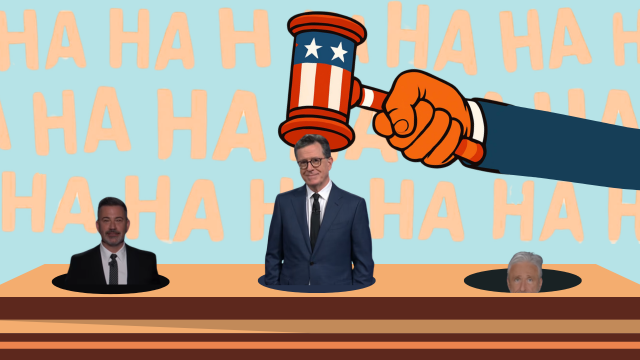
Last month, the ongoing scrutiny of ticket sales superpower Ticketmaster reached a fever pitch. Its affiliate Live Nation was found liable for anticompetitive conduct, stifling competition and dramatically raising ticket prices since May 2020. As the company created an illegal monopoly over the entertainment industry, it took advantage of audiences and artists in the process.
Ninth-grader Ruth Kenny, a frequent concertgoer, said, “I feel like going through things like Ticketmaster takes away some of the humanity [of the artists and] sets them up as a commodity.”
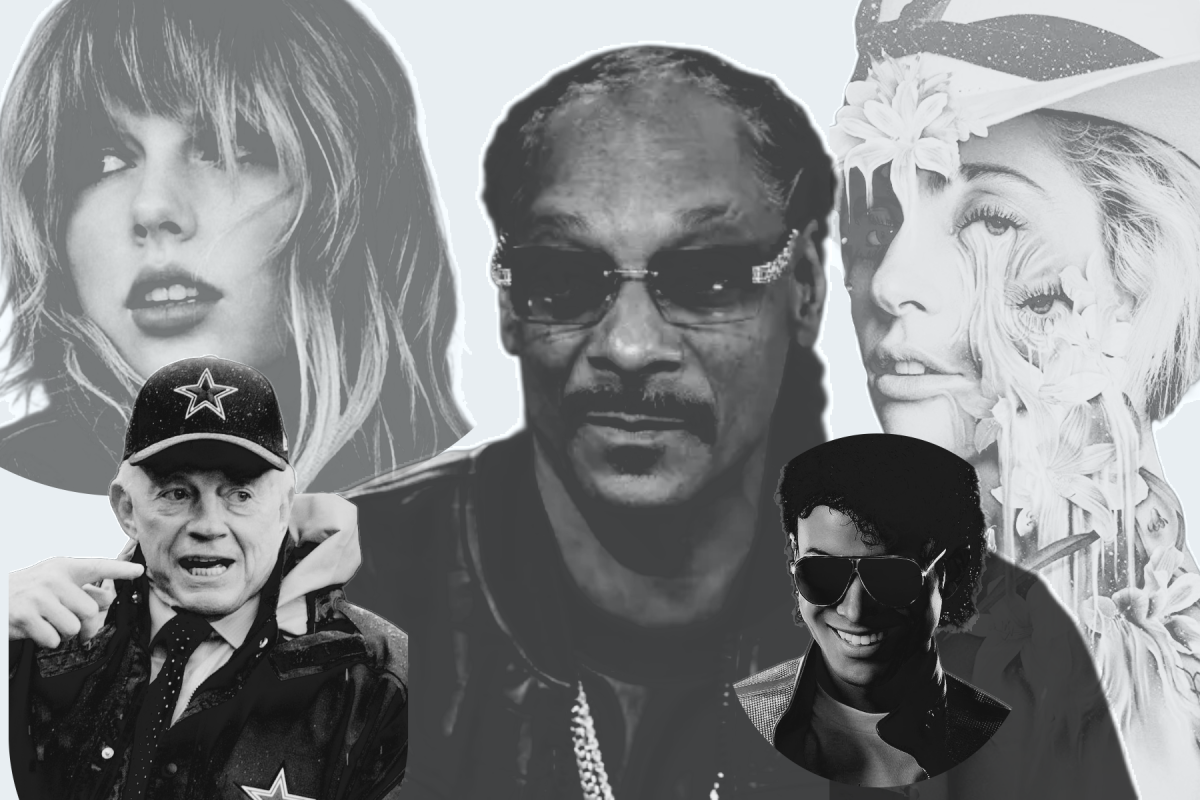
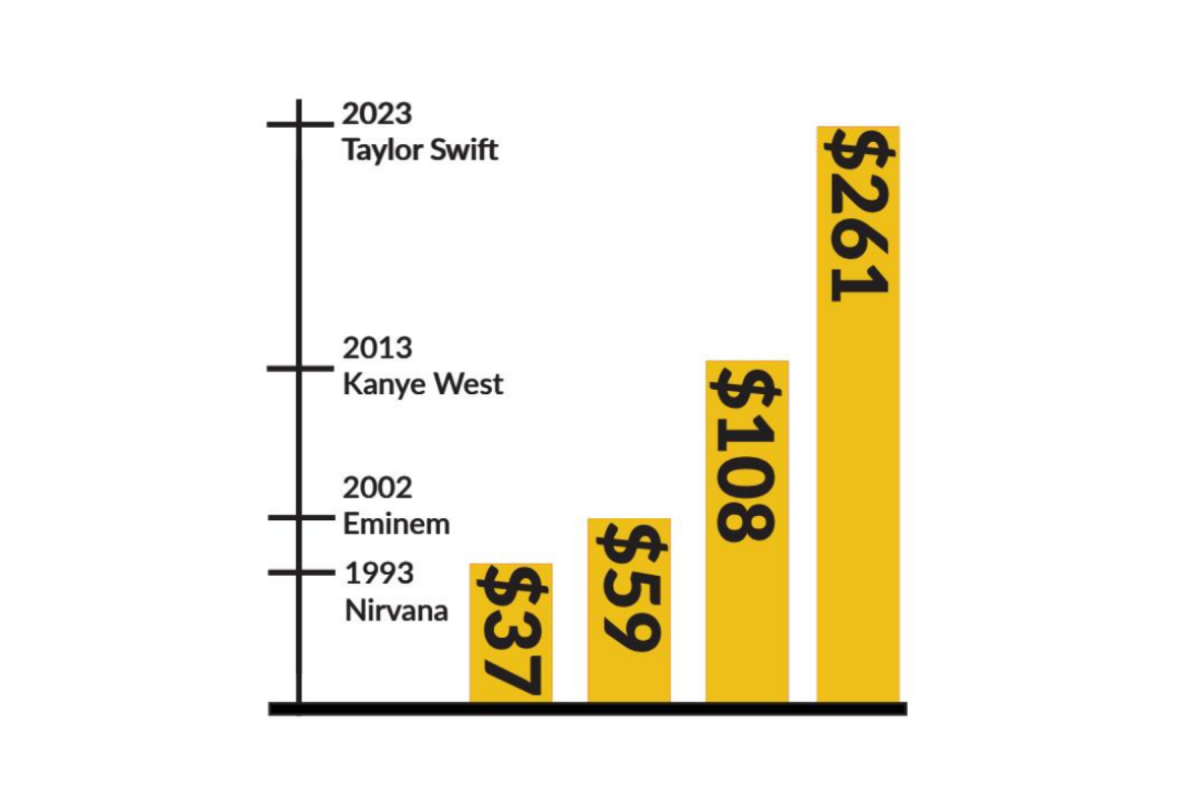
In 2010, ticket seller Ticketmaster and venue promoter Live Nation merged to form Live Nation Incorporated, the same year artists like Taylor Swift, Eminem and Justin Bieber hit their stride. The new company controlled access and the event itself, quickly taking over venues, profiting from musicians, and overcharging its audiences. The company was also considered a monopoly due to its control of roughly 80% of ticketing, largely limiting consumer choice.
Junior Saif Mujahid believes that such high prices should not be put on something as universal as art. “I think art should just be accessible to everyone. In the system under capitalism, everything will be commodified; it just fosters an environment for profit,” he said.
As the minimum wage fluctuates, inflation rises, and concert prices under Live Nation increase, too, making venues less accessible for younger audiences. This April, a federal jury in Manhattan accused the company of wielding immense power over too many aspects of the live entertainment industry. Additionally, a class action lawsuit will take place July 6 involving concertgoers, including teenage customers. The estimated damages are over $150 million.
Over time, concerts have become increasingly inaccessible for teenage audiences. This gap widens for artists and concertgoers, as the threat of corporate control limits teenagers’ ability to experience the magic of live music.