
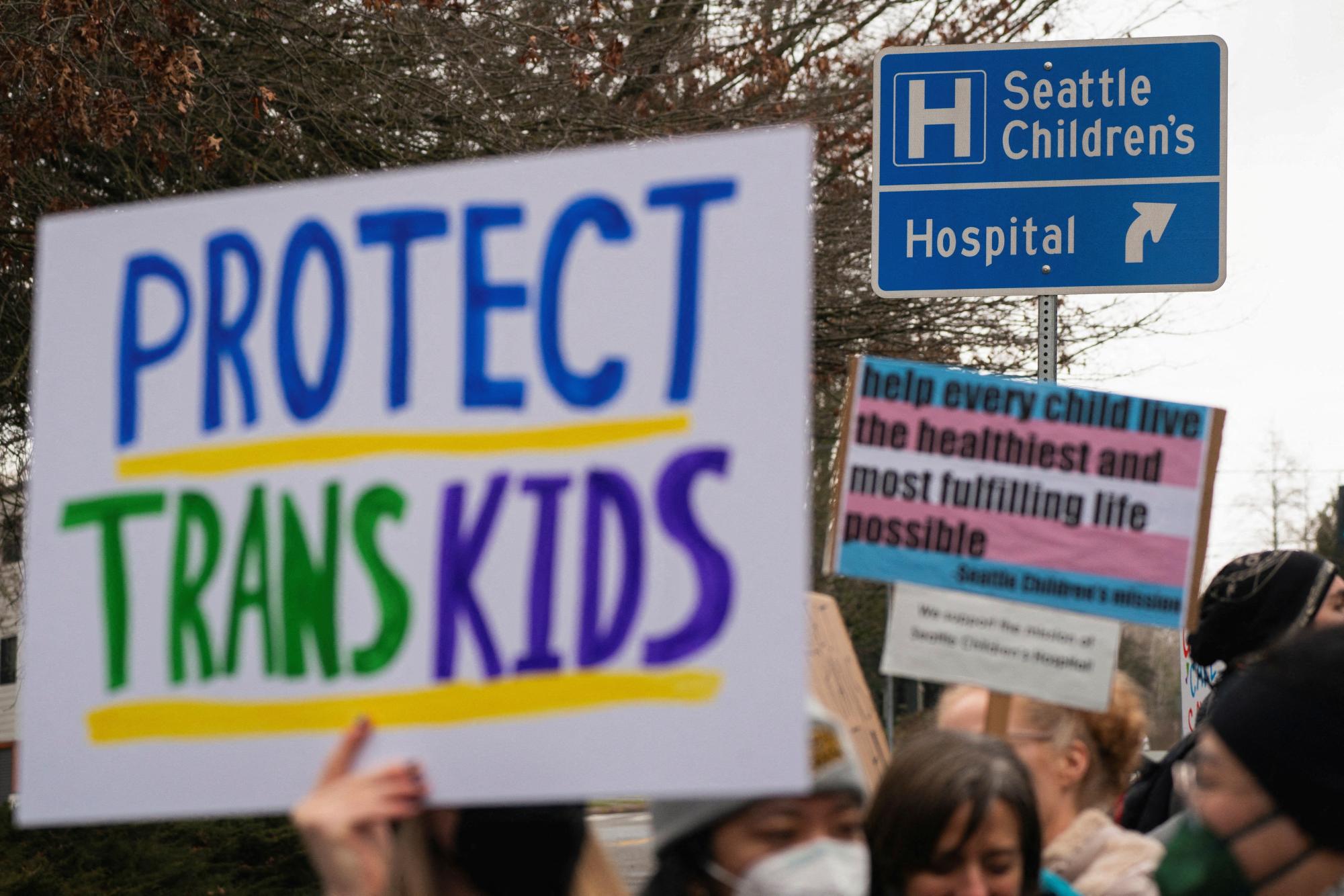
Amid consistent disputes over birthright citizenship, reproductive rights and widespread U.S. Immigration and Customs Enforcement occupations, another issue has resurfaced in U.S. politics: transgender athletes in sports.
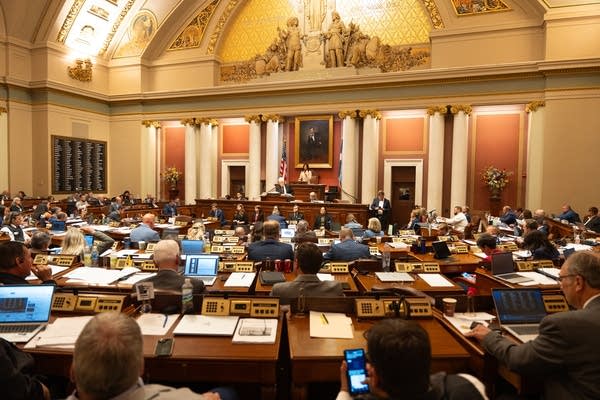
On March 30, President Donald Trump filed a lawsuit against the Minnesota Education Department and the Minnesota State High School League, claiming they violated Title IX protections for female athletes by allowing transgender girls to play in girls’ brackets.
Sophomore Hank Harp feels negatively about the lawsuit.“It doesn’t seem like a really big enough deal to sue over,” Harp said.
Similarly, sophomore Amelia Dyrstad thinks that the lawsuit is pointless. “I think that it is a frivolous lawsuit, and it should be thrown out by the courts,” she said.
Due to Saint Paul Academy and Summit School’s status as an independent institution, Trump’s actions regarding Title IX do not directly impact the school’s athletics. K-12 Director of Athletics Paul Moyer explained the distinction: “[Title IX] allows for equal access in educational settings that accept federal funds, which therefore means it does not formally apply to SPA because we do not accept federal funds,” he said.
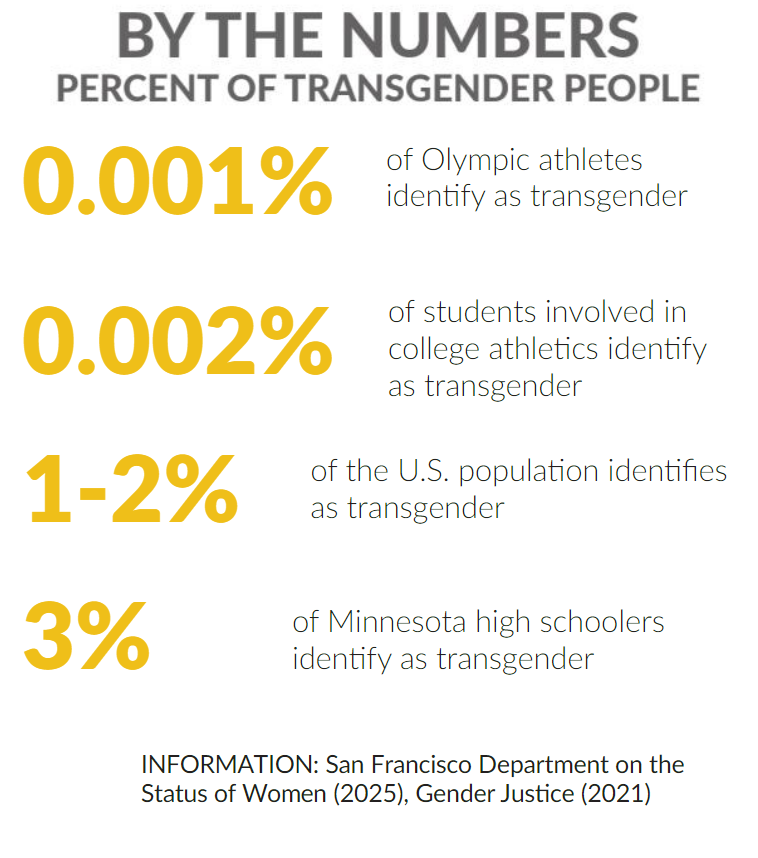
While the school upholds Title IX’s inclusive values as a member of the MSHSL, it is not legally bound to follow its requirements.
Dyrstad feels Trump’s efforts against Minnesota align with the many other strategies he has employed during his term thus far.
“I think the Trump administration is definitely trying to target all the perceived enemies,” she said. “He’s been talking about, of course, implementing certain voter registration requirements illegally. And so I think he’s gonna continue doing this through the midterms and beyond.”
Many recent tensions have arisen between the Trump administration and Minnesota, which has consistently voted blue since 1972. It is also widely known as a sanctuary state for abortion access, immigration and trans people.
During his second term, Trump has tried to alter the established systems and rights that correlate with each of these issues through his political initiative, Project 2025. The lawsuit is in alignment with the project’s strategy of mobilizing the Department of Justice to advance political agendas.
Moyer does not see many benefits to barring transgender students from competing on teams that align with their gender identities.
“Proponents would say we would eliminate all possibility of a transitioning athlete competing unfairly,” Moyer said, adding that transgender athletes can compete in their identifying gender as long as the competition is fair.
Dyrstad believes that allowing student athletes to compete on teams that align with their identities is crucial to building connections.
“I think that sports can be a very important place for students to build a community and form relationships, and I think by excluding trans athletes you are further isolating them, making it harder for them to be a part of the community,” she said.
While Trump’s attacks may not directly impact upper school athletics, Moyer believes it is still important to demonstrate support for trans athletes.
“When done right, it is fair, appropriate and comfortable for all athletes to participate where they identify, and are eligible to compete,” Moyer said.
As of March, the lawsuit is pending. MSHSL representative Phil Archer declined to comment on the league’s position on the lawsuit at this time.