








![CALCULATING THE CHANGES. As study habits have changed, the materials used have changed too. "I remember the day when [my brother] came home with his graphing calculator, [which] had Mario. And I was blown away," Spanish teacher Peter Daniels said. (Photos: Fair Use; Wikimedia Commons)](https://www.rubiconline.com/wp-content/uploads/2026/05/Untitled-design-4-1200x800.png)




































![BEWARE. Junior Maisy Torres was expecting a Nickelodeon ride when she entered the haunted house at the State Fair. What she encountered was much more horrifying. "There's not enough money in the world to pay me to do [it again]," Torres said.](https://www.rubiconline.com/wp-content/uploads/2026/05/Never-again-with-nabeeha-1-e1778077989386-1200x802.png)





![[QUIZ] What famous scientist are you?](https://www.rubiconline.com/wp-content/uploads/2026/01/Untitled-design-3.gif)





100% staff agreement
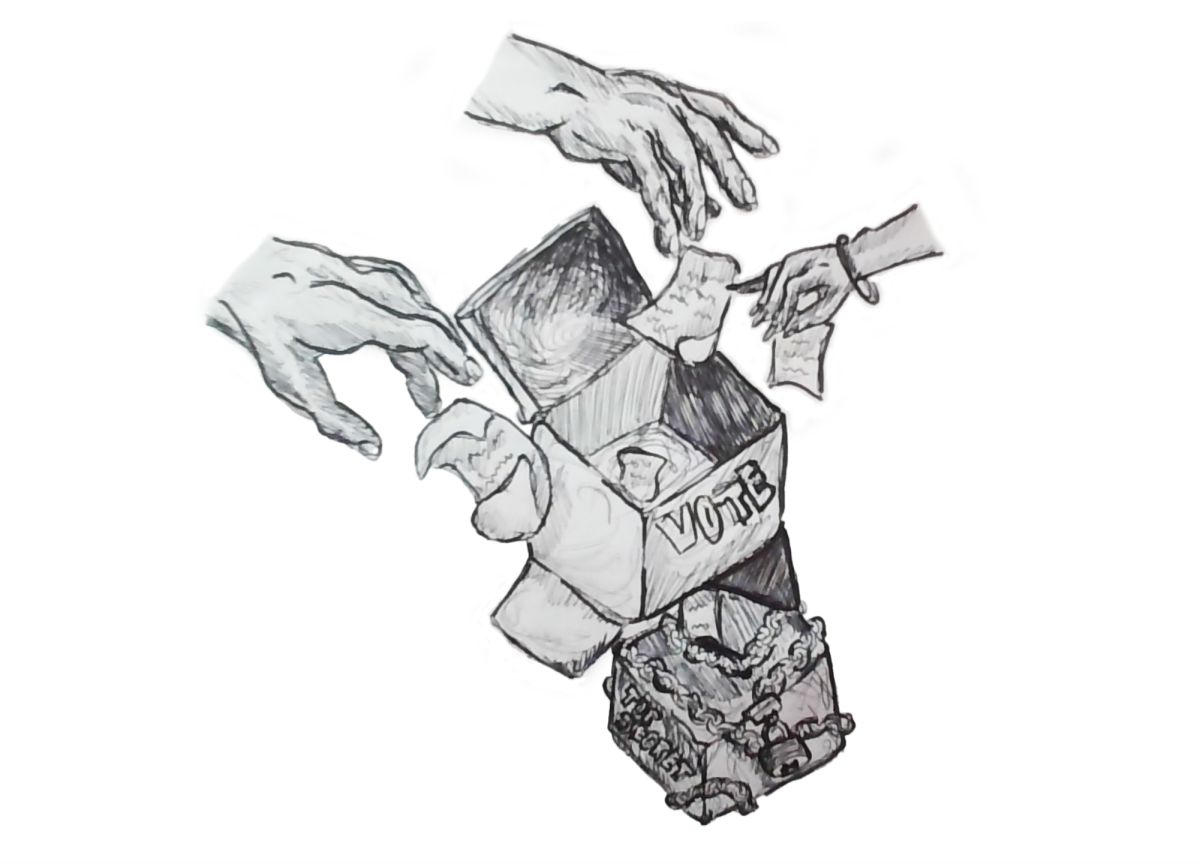
His mother is a Scottish immigrant. His wife is foreign-born. Yet despite those deep-rooted personal ties to immigration, President Donald Trump opposes birthright citizenship, an essential right that needs to stand in a nation built by immigrants.
The 14th Amendment ensures automatic citizenship to individuals born in the United States regardless of their parents’ race, origin or immigration status. The amendment was enacted in 1868 to overrule the U.S. Supreme Court’s 1857 Dred Scott decision declaring that African Americans were not U.S. citizens.
Birthright citizenship serves to clearly define belonging.
However, that straightforward and critical American value is now being threatened. Despite lower courts ruling to uphold the law as it had stood for more than 150 years, on April 1, the Supreme Court heard oral arguments in Trump v. Barbara, a case challenging the president’s executive order that would end birthright citizenship for children whose parents are undocumented immigrants.
American Civil Liberties Union (ACLU) national legal director Cecelia Wang rightly argued before the court that citizenship is not selective or conditional. Challenging such an essential right is unprecedented and an abuse of power; this indispensable American principle should not be up for debate.
Trump has targeted immigrants since he announced his first campaign for the presidency, however, and a slim majority of Americans support birthright citizenship. A survey performed by NPR showed that 53% of Americans oppose ending the practice, while 28% supported ending it.
The main threat is that reversing decades of precedent would create an ambiguous definition of citizenship. According to the Pew Research Center, without birthright citizenship in 2023 alone, 260,000 babies born in this country would not have been automatically granted citizenship.
They also would grow up unable to obtain U.S. passports and driver’s licenses, limiting their ability to work legally and dealing a blow to an economy that depends on immigrants in the workforce.
Immigrants, regardless of their legal status, boost the economy by working in the labor force and spending as consumers. The Congressional Budget Office predicts that immigration will boost GDP by $8.9 trillion from 2024 to 2034. Similarly, Bloomberg estimates that without people who gained citizenship by place of birth, $7.7 trillion would disappear from the American economy, with states like California and Texas hit hardest. Ending birthright citizenship would not cause immediate economic devastation, but over time it would diminish the workforce and strain the economy.
Sadly, prejudice based on skin color and cultural origin has fueled the anti-immigrant movement in this country for decades. In 1898, American-born Wong Kim Ark was denied re-entry into the United States because his parents were Chinese. The case reflected the anti-Chinese immigrant stance resulting from the enforcement of the Chinese Exclusion Act of 1882. When Wong Kim Ark successfully sued the U.S. government in a landmark Supreme Court case, he won birthright citizenship for all.
Ironically, this debate is occurring on land originally belonging to and forcefully stolen from Indigenous peoples.
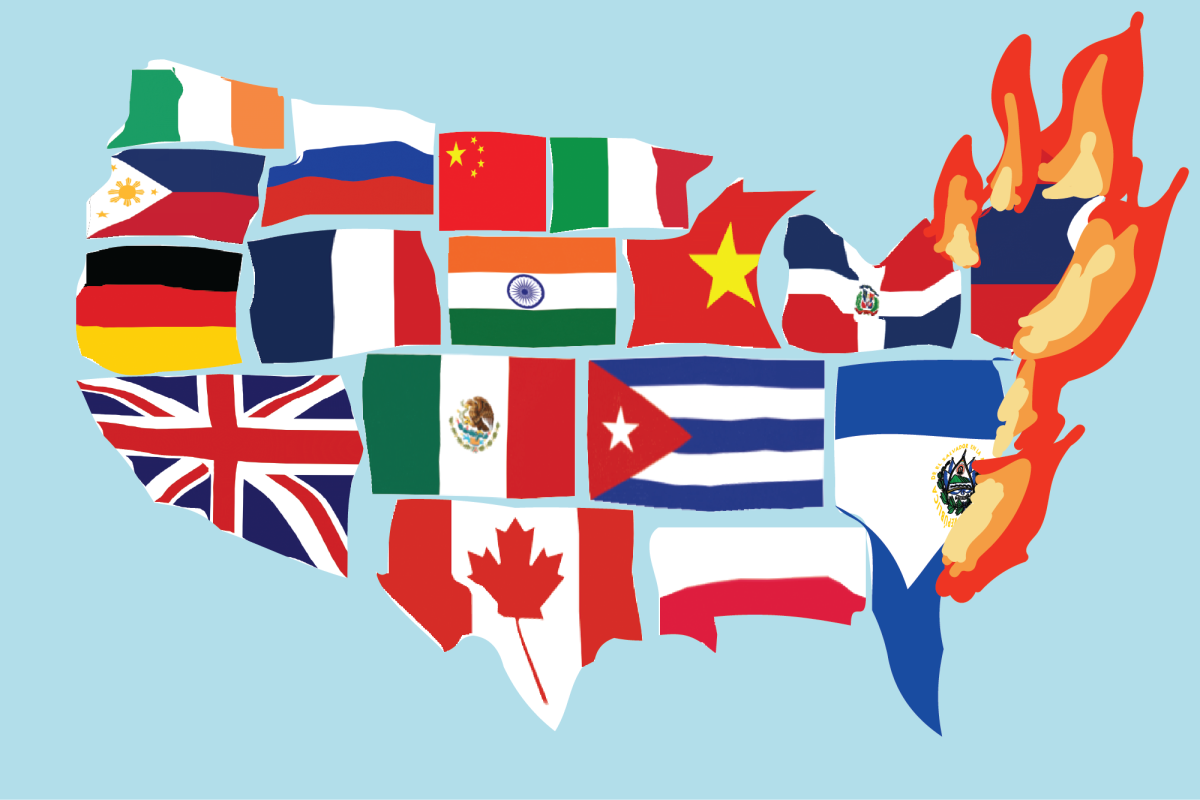
The national anthem describes America as “land of the free,” a sentiment reflected in immigrants’ pursuit of opportunity, education and safety. Our country has long been representative of a place where people of all origins can come together to build better lives.
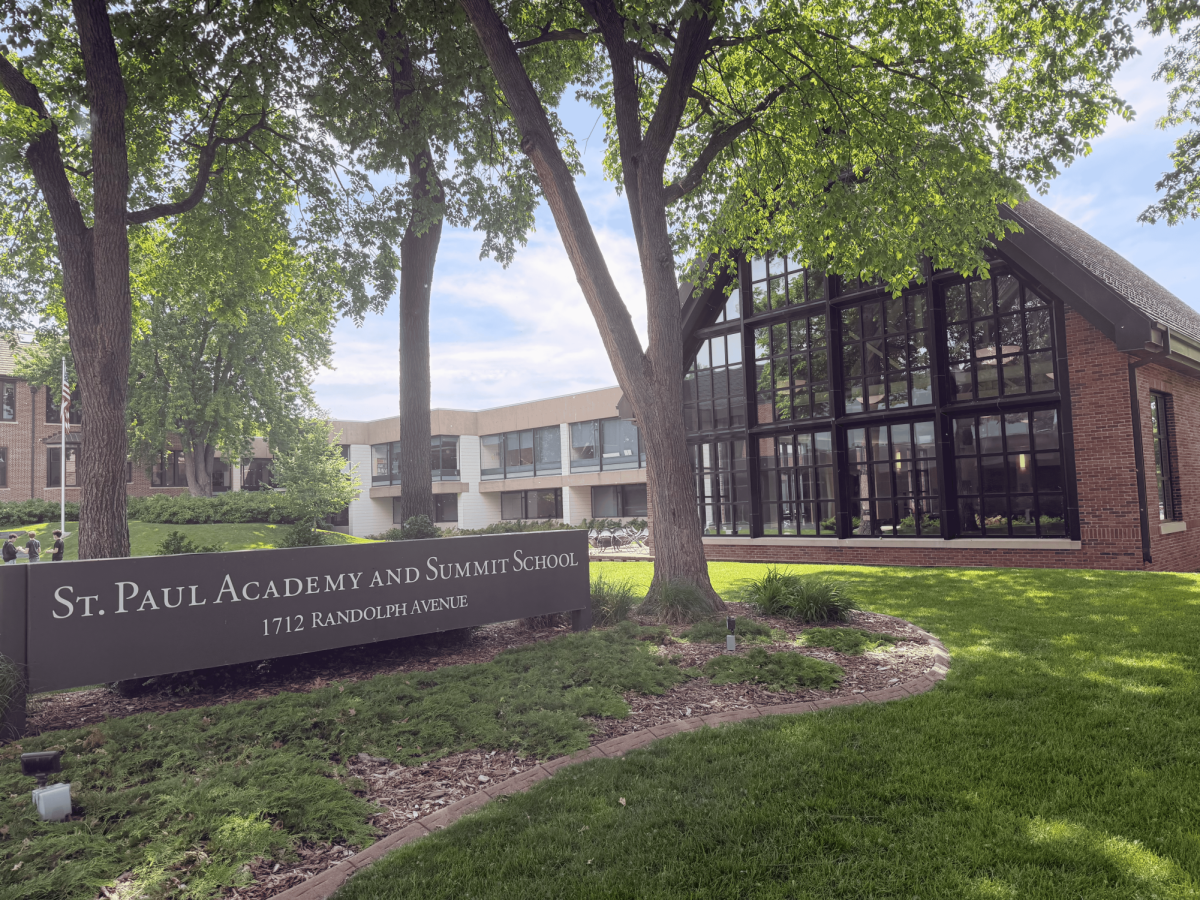
At St. Paul Academy and Summit School, we have the privilege of being taught by a multi-cultural faculty, have access to numerous affinity groups and share spaces with classmates of diverse backgrounds. We recognize the strength and struggles of those around us because we are all in this together.
While the U.S. celebrates its identity as a melting pot of cultures, the Trump administration continues to limit, exclude and detain “we the people.”
Don’t take birthright citizenship for granted. Understand how immigrants in the U.S. before, during and after your lifetime have benefitted the place we call home. All Americans should speak up to protect our nation, our people and our rights.