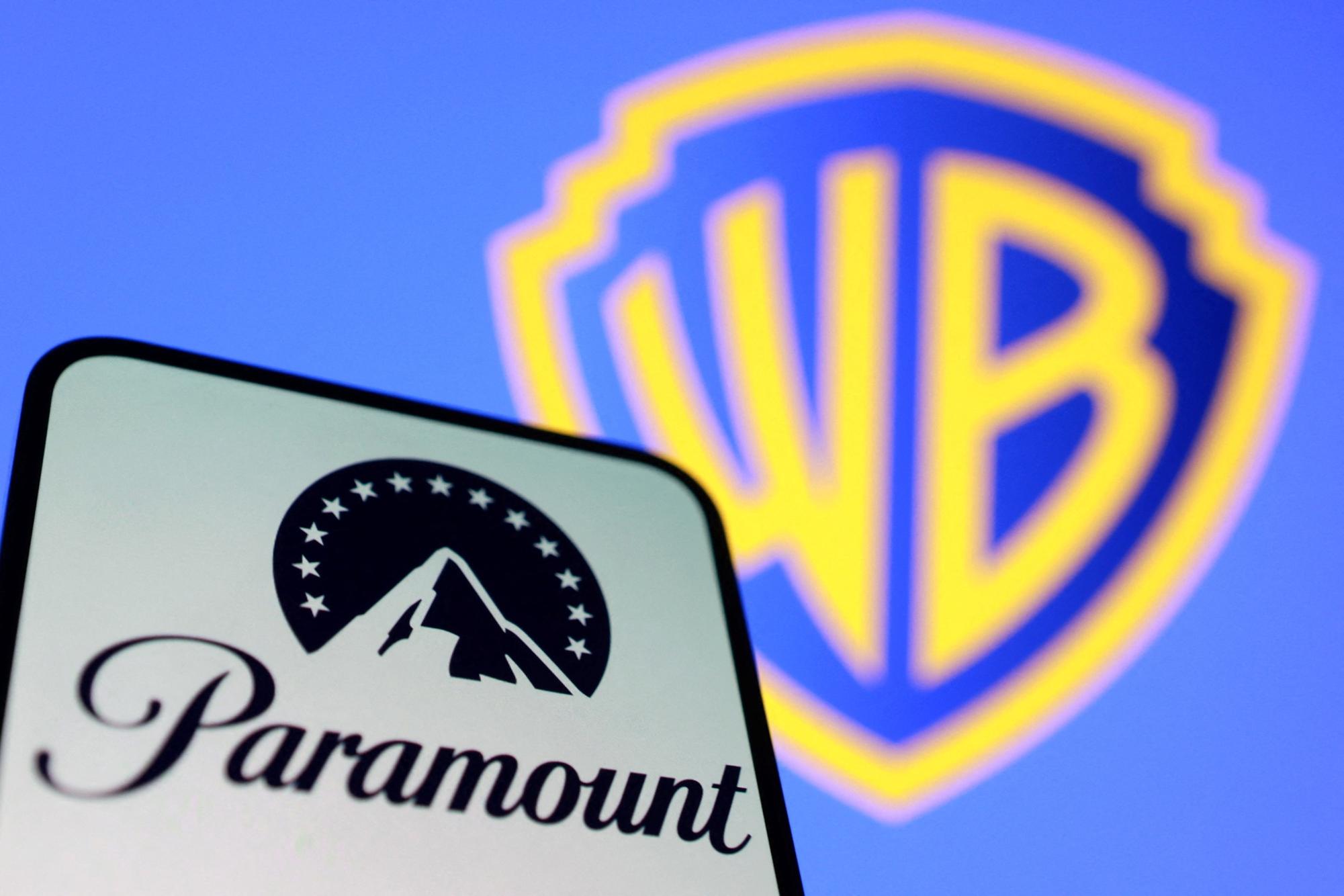

Warner Bros. Discovery and Paramount Skydance shareholders approved a $110 billion merger between the two mega corporations on April 23. Although this was the better (maybe?) of the two suitors this spring to merge with WB—the other being the antagonist to all things movie theaters, Netflix—any production company merger is never good news. This wasn’t the only massive merger in the contemporary cinema landscape, far from it: Disney-21st Century Fox, Amazon-MGM, WB-Discovery and Paramount-Skydance all have occurred within the last decade. These amalgamations consolidate the number of films being produced– the number of opportunities for artisans across every different realm of movie-making– and slowly but surely decrease the overall quality of films. When these massive corporations have less competition, they get lazy and have no reason to continue pushing the ball up the hill, and it starts tumbling back down. We get fewer original films and more spineless “live action” remakes. We get fewer big swings and countless more installments of franchises that died decades ago.
It’s hard to put any positive spin on this.
Switching gears to a different looming threat to the movie-going business, at the opening jury press conference of the legendary Cannes film festival earlier in May, Demi Moore (a member of the jury, however confusing a choice that is) told The Hollywood Reporter that “AI is here. And so to fight it is to fight something that is a battle that we will lose.”
The worst part is, she’s not wrong.
She went on to say, “So to find ways in which we can work with it, I think, is a more valuable path to take.”
AI is one of the most panic-inducing topics of modern times, and its reach is far bigger than filmmaking. Undeniably, AI has its fingerprints all over recent film culture discussions. Directors like Guillermo del Toro, Christopher Nolan and Steven Spielberg regularly speak out against AI, while directors like Steven Soderbergh or Daren Aronofsky preach about its advantages. Using AI as an assistive tool in post-production isn’t necessarily a bad thing, but it can become dangerous when the line blurs. If we’re okay with AI de-aging Tom Hanks in Robert Zemeckis’s “Here,” will we be okay with it generating complete story pitches for production companies fifteen years down the line?
It’s hard to say, but one thing is for sure: film is art, and AI has no place in art. On the technical side of filmmaking, there’s more room for AI to be ethically integrated, but that would continue to reduce opportunities for skilled craftsmen. This tension offers a thorny subject that will be written about and discussed for years to come, but as it stands now, a little can go a long way, and more can be undeniably dangerous.
Hopping off this existential train of dread, there have been some comforting signs for the health of the film industry recently. First and foremost, people are going to the movies again; the 2025 domestic box office totaled a little over $8.5 billion, up 1% from the year before, and a significant jump from the pandemic-marked years of 2020 and 2021. While still not at the pre-pandemic heights of $10-11 billion annually, it’s an improvement. Original films like “Sinners” and “Weapons” dominated the culture for weeks and garnered endless online traction. We can see film continue to significantly contribute to the culture when trailers for films like “The Odyssey” or “Dune: Part Three” are released, and it’s at the center of online discourse. On top of this, studios like Universal (which extended their theatrical window from 17-30 days to a strict 45-day window) are placing an emphasis on the theatrical experience, while things like the movie-reviewing app Letterboxd have continued to draw younger people into film.
There’s been a massive trend of eventizing major movies: encouraging premium formats (IMAX, 70MM, etc.), early fan screenings, and gargantuan, themed popcorn buckets all contribute to this. Though not all of these are positive (namely, those horrid thirty-dollar popcorn buckets), it gets people to the movies. I am a massive supporter of IMAX, 70mm and 35mm screens. I regularly pay the $10 extra to see anticipated releases in a better format, so I think this trend is massively encouraging. Getting countless teenagers excited about a three-hour adaptation of a 2,700+ year old novel (“The Odyssey”) is a good thing, no matter how it’s done, and if all those butts in IMAX seats encourage production corporations to continue to make big swings, even better.
Another encouraging aspect is the repertory cinema scene. Small movie theaters that only show films from the past seventy years (whether on film or digital) have been drawing in more and more customers recently. Regular cinema chains (like AMC or Emgaine) have responded to this by upping the amount of repertory screenings they show up to 30%, rather than 10%. This is similar to eventizing, as people obsess over being able to see their favorite film on the big 70mm silver screens.
While it’s easy for movie lovers to focus on threats to the cinematic experience — the rapidly decreasing number of major production studios and the rapidly growing reach of artificial intelligence –it’s not all negative. Producers and audiences are starting to care about the theatrical experience more and more, and original films are seeing box office gains. It’s a confusingly optimistic time to be a movie fan.