
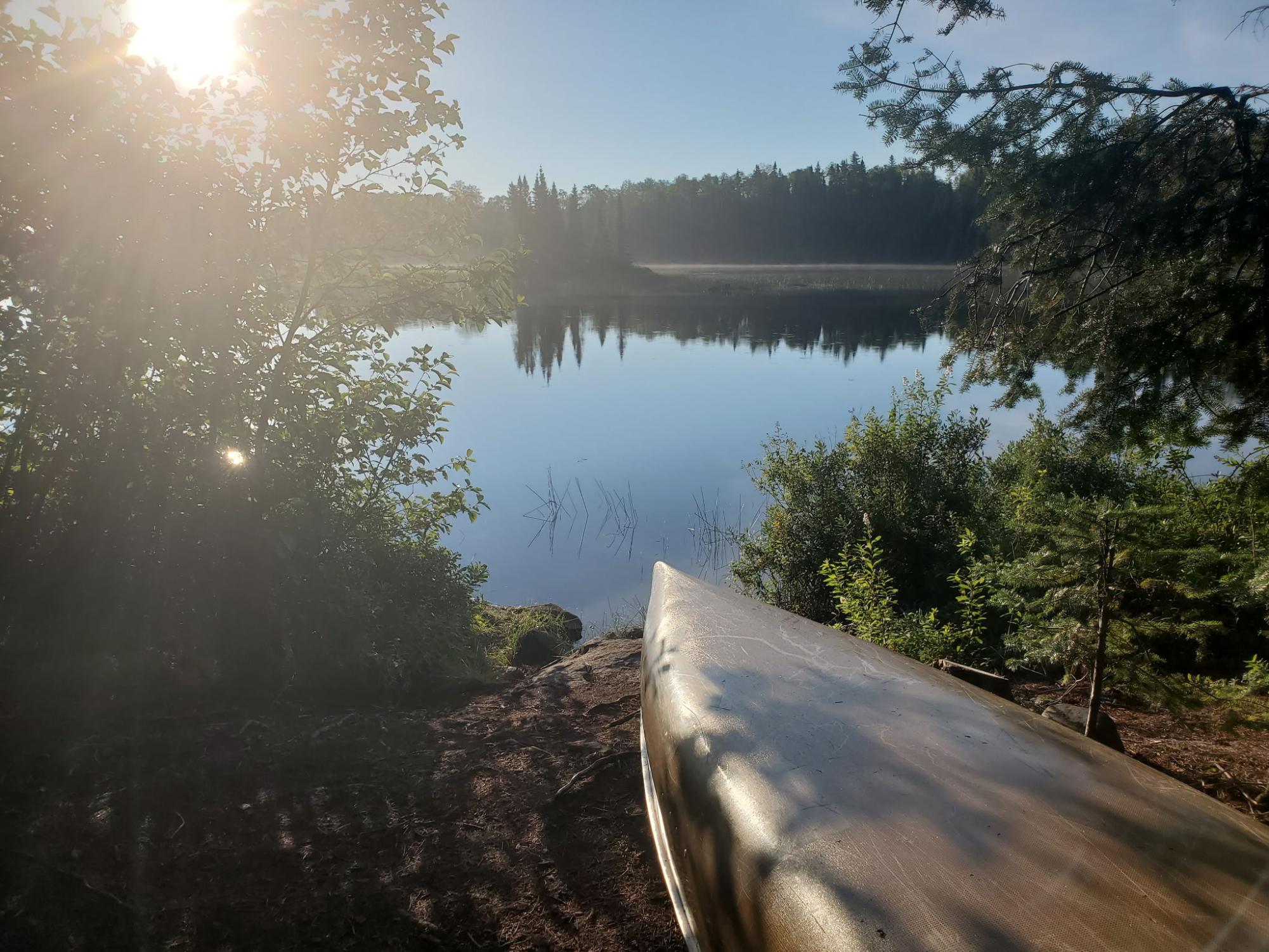
The land of 10,000 lakes prides itself on preserving wilderness. That goal took a hit on April 27, when the U.S. House lifted a ban on mining in and around the Boundary Canoe Area Wilderness. Minnesotans around the state are concerned with the lack of protection for the BWCA, a place that runs deep in Minnesota culture as well as the future of protected wildlife areas across the United States.
Junior Avital Coleman shares a similar love for the Boundary Waters. “[They are] the most beautiful lakes I’ve ever seen in my life,” she said.
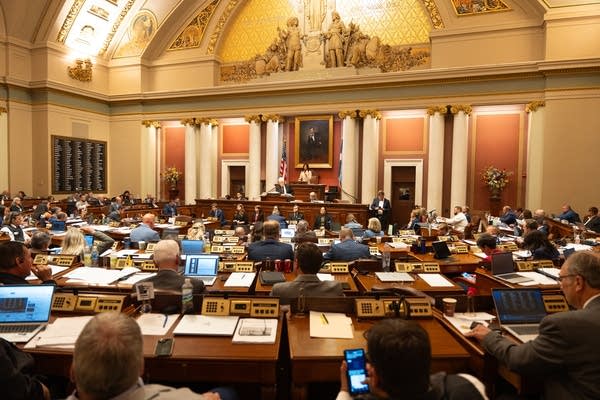
President Donald Trump campaigned on restarting mining in Minnesota and officially signed H.J. res 140 into law allowing for the Chilean mining company to start working toward opening proposed underground copper and nickel mine. This broke the previous 20-year ban on mining in the BWCA that was from the Biden administration. Although the mining operation faces more approval hurdles, the ban’s end is a blow for environmentalists and BWCA lovers.
Sophomore Lucy Lowman has been visiting the BWCA with her family since she was a toddler, and the lack of protection is concerning to her. “You really can’t put into words how special [of] a place the Boundary Waters is,” she said.
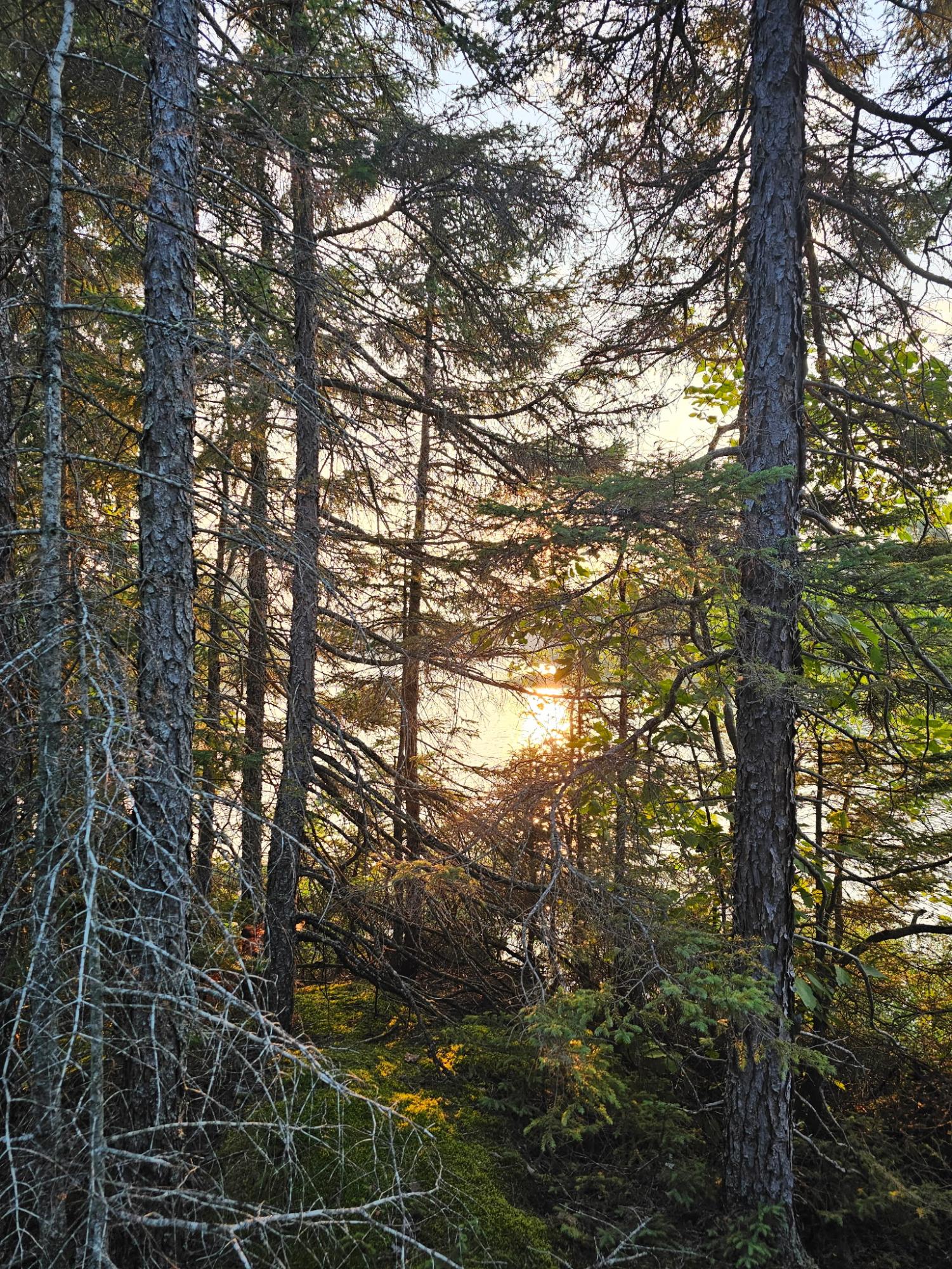
The Boundary Waters are also the ancestral homeland to the Anishinaabe people, making it a very important place to many people. Allowing Mining could cause significant damage to the land.
Lowman is troubled by the disregard that politicians showed toward protected wilderness areas. “I think it’s really frustrating, because I think a lot of current politicians and congress members do not appreciate or even understand how significant and important the Boundary Waters are,” she said. “For them to completely disregard how meaningful this land is, and just use it for personal and economic progression, is just so selfish.”
Coleman is similarly wondering what this means for the future. “I think that there’s a lot of issues… like climate instability, and it’s really a danger to all the animals whose habitats live there, and all the natural ecosystems in that area” she said.
Beyond the BWCA being a special place to many Minnesotans, this bill’s passing raises questions around the country as people are beginning to question the future of preserved wildlife areas. According to a 2026 map from the wilderness society, many other protected areas are under similar threats from the Trump administration, such as the Ruby Mountains in Nevada and the Thompson Divide in Colorado.
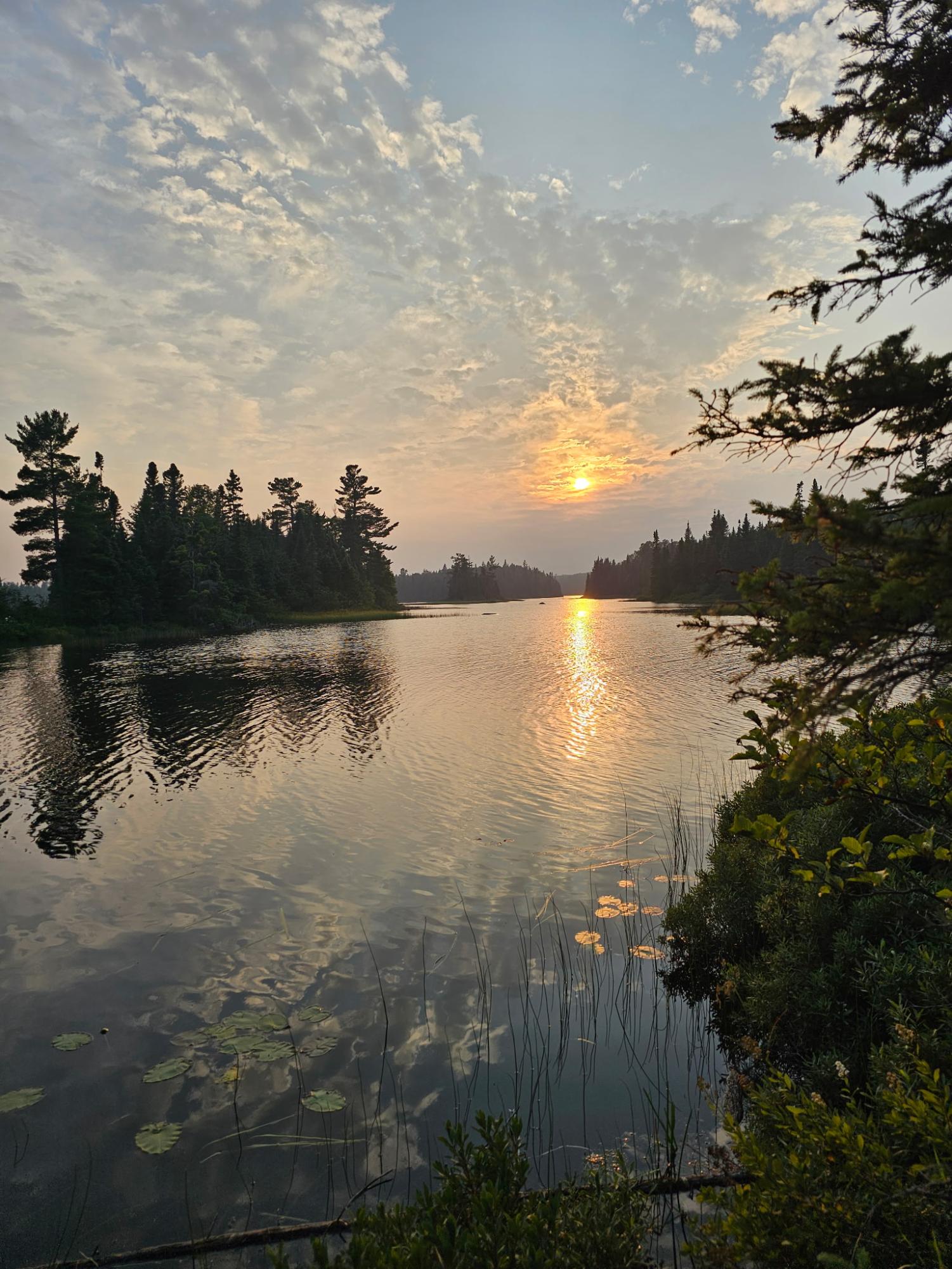
Junior William Drake has thought about this as well, especially the impacts drilling and mining will have on wilderness. “I think it’s not the end. There’s going to be other examples of this. The Arctic National Wildlife Refuge. They’re opening a large portion of that to oil drilling” he said.
Lowman is among many concerned Minnesotans; she realizes that this could have broader impacts and not be a one-off instance. “I think at some point…the expectations are just going to continue to diminish, and there’s not gonna be any standards for drilling anymore,” she said.
Coleman shares the concern that this may have wider repercussions, primarily she is most worried about the impact on international waters. “One of the things that I just don’t see being talked about a lot is where the mine is being built, it’s right by border lakes. So… we’re also gonna affect international waters, I think that it’s really unfair to affect another country’s like, nature and ecosystems… So it’s really disappointing,” she said.
Across Minnesota, many are disappointed with the lack of protection for the BWCA and worried for the environmental impacts in Minnesota and beyond.