
In 2024, forty-three-year-old Irish filmmaker Damian McCarthy broke into mainstream horror culture with the Edgar Allan Poe-esque, horrifying psychological mystery, “Oddity.” Two short years later, he’s back in the focus of the general horror-interested movie-going community with the Irish folklore-inspired chiller “Hokum.”
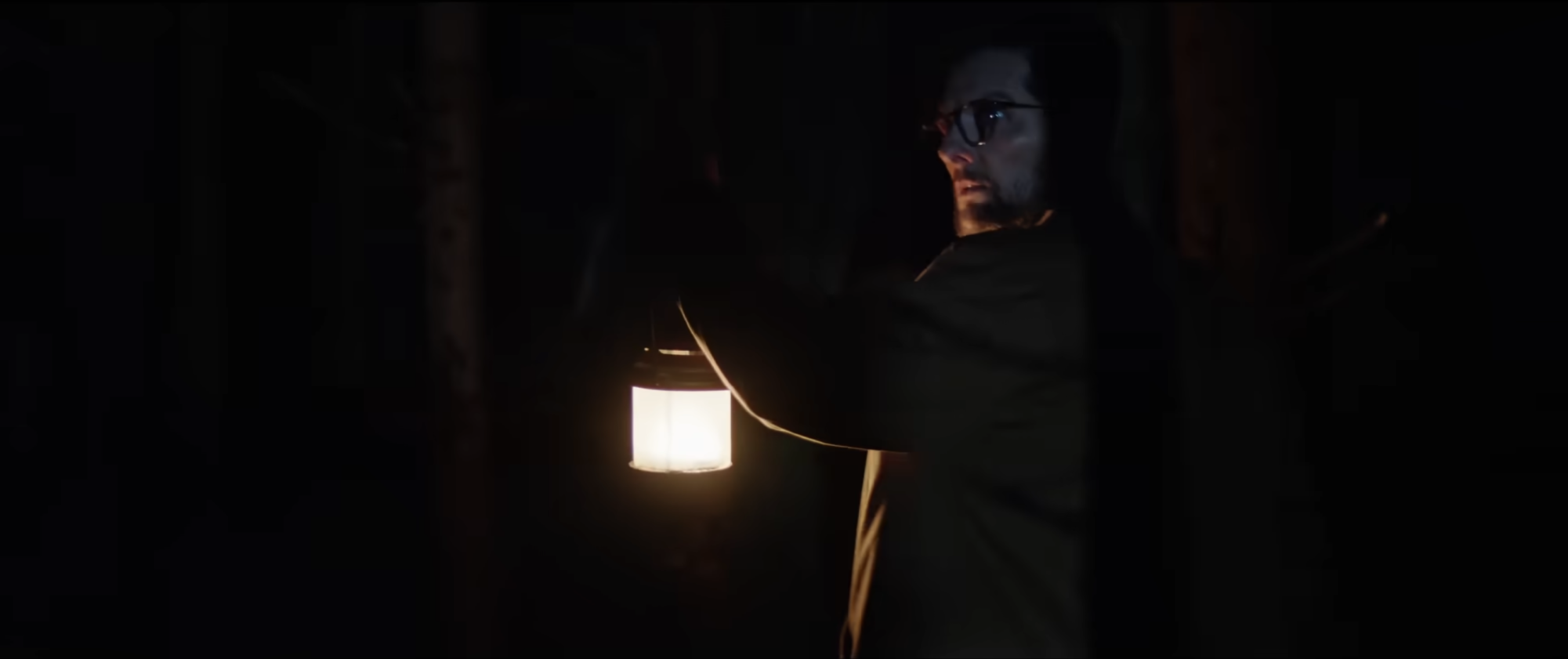
The film’s greatest success comes from a curated atmosphere that is genuinely scary, alongside many effective jump scares. McCarthy demonstrates a clear knack for inducing audiences’ fear:he has complete control over every lingering camera shot, every unwavering glance at one of his manufactured evil beings, and uses these to the utmost effectiveness. He takes a page out of James Wan’s “Conjuring” franchise book and utilizes some over-the-shoulder shadowy scares, and additionally, clearly recognizes how simply terrifying the sight of his main witch creation is.
The straightforward horror bits can’t make up for the plot holes or vague themes. Viewers might leave guessing which part of the trifecta of ideas was the focus: possibly mushroom-induced witchcraft, murder over a messy childbearing situation, or a skeleton-esque rabbit figure. They don’t seamlessly weave together, and instead feel created for the sole purpose of the scares they can provide, not for an effective story. Yes, the scares are good, but the film suffers from this lack of focus
Adam Scott is the sole lead as the ill-mannered alcoholic novelist, Ohm Bauman (not my favorite character name out there). Just 15 minutes into the film, he retreats to an inn in remote Ireland to bury his parents’ ashes and try to find an ending for the last novel in his successful desert-set “Conquistador” trilogy. The opening and ending of the film are glimpses into the fictional literary world he’s created, shooting on location in Abu Dhabi. While that may sound promising, these segments have to be the most shapeless of the film, an overblown metaphor for Baumans’ psyche and a sloppy bookend for the sloppier narrative framework.
Scott himself is quite good—it’s a part well in his ballpark, and he handles it as well as you would expect. More impressively, the supporting cast stands out no matter how big or small their parts are. Peter Connan excels as the sinister Mal, and David Wilmot and Florence Ordesh are also quite successful as the friendly Jerry and Fiona, respectively.
As we delve deeper into McCarthy’s world, we learn more things about Bauman—a horrific childhood firearm accident, a rapidly deteriorating mental state—and about the inn and all its inhabitants. The problem McCarthy continues to run into is a lack of integration; none of them fit together. Alone, they’re each interesting ideas (some of them even brilliant), but he doesn’t know what to do with all of them, leaving only a disjointed story. McCarthy repeatedly flexes his gift for horror filmmaking, but demonstrates his lack of ability for pure narrative storytelling. It’s clear he knows how to create an excellent setpiece or manufacture a flawless jump scare, but he can never steer the story in a clear direction. It’s unfortunate, given all of the good ideas and effective moments in the film, but it never feels cohesive.
McCarthy should make many more horror projects, but he should hand over the keys to the screenplay to someone else. In an age where brilliant horror writer-directors are a trend (think Jordan Peele, Zach Cregger, Robert Eggers, Osgood Perkins, even Ryan Coogler), it’s apparent that McCarthy doesn’t fit in the ranks. But he could with the right screenwriter. Somebody like the talented pairing of Damian Shammon and Mark Swift (who have proven to be successful this year with Sam Raimi’s “Send Help”) would be perfect for McCarthy’s next project.
“Hokum” is well worth the watch if you’re looking for a properly scary sub-2-hour experience, but don’t expect anything powerful. In a spring filled with horror projects, “Hokum” is likely to be an afterthought in a handful of weeks, but it has some impressive elements that should not be overlooked.