





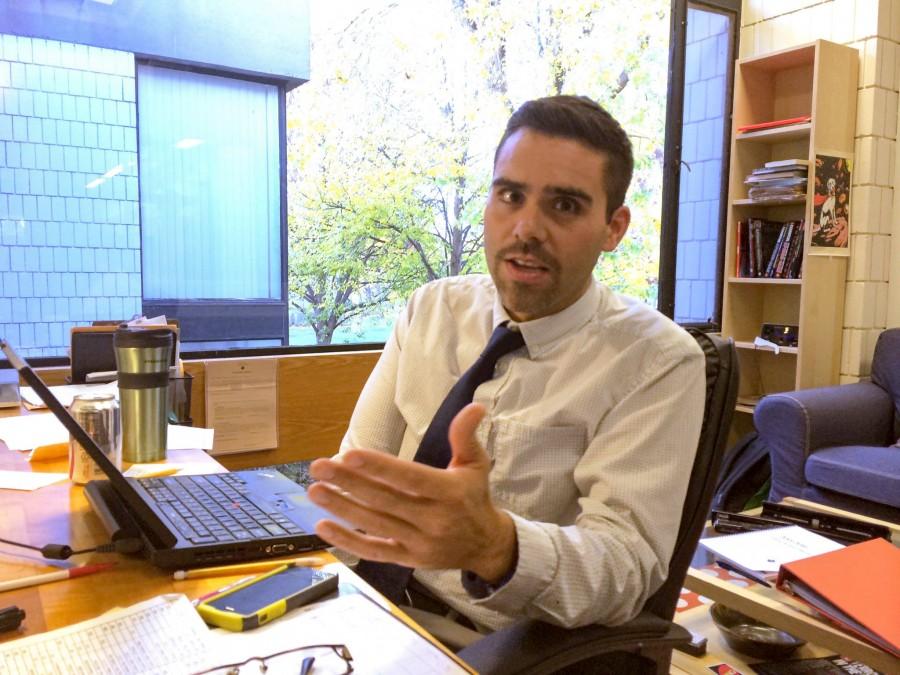
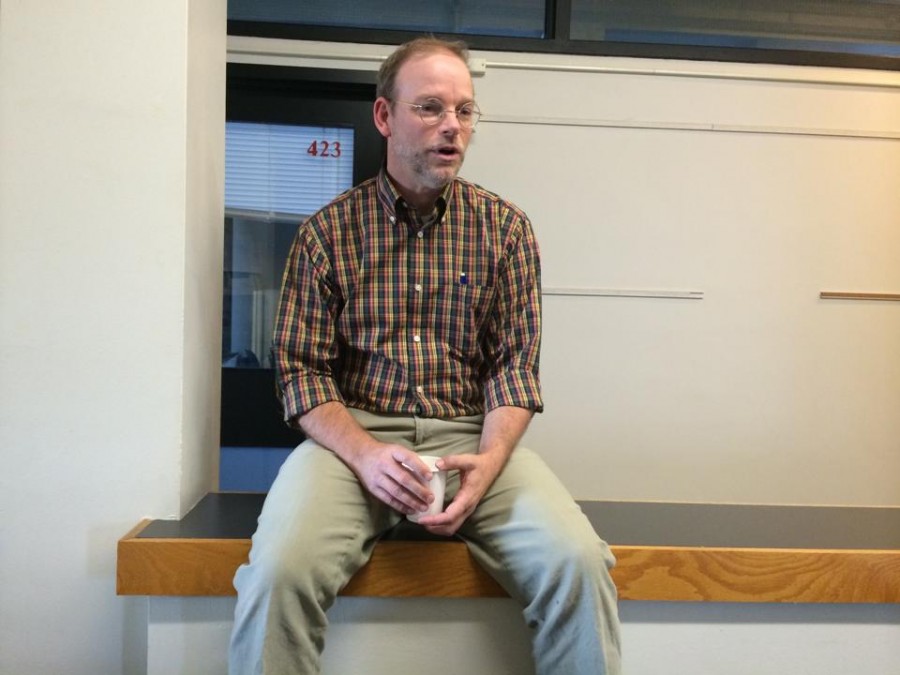
![CALCULATING THE CHANGES. As study habits have changed, the materials used have changed too. "I remember the day when [my brother] came home with his graphing calculator, [which] had Mario. And I was blown away," Spanish teacher Peter Daniels said. (Photos: Fair Use; Wikimedia Commons)](https://www.rubiconline.com/wp-content/uploads/2026/05/Untitled-design-4-1200x800.png)




























![BEWARE. Junior Maisy Torres was expecting a Nickelodeon ride when she entered the haunted house at the State Fair. What she encountered was much more horrifying. "There's not enough money in the world to pay me to do [it again]," Torres said.](https://www.rubiconline.com/wp-content/uploads/2026/05/Never-again-with-nabeeha-1-e1778077989386-1200x802.png)


![[QUIZ] What famous scientist are you?](https://www.rubiconline.com/wp-content/uploads/2026/01/Untitled-design-3.gif)






“There are things known and there are things unknown and in between are the doors of perception.” — Aldous Huxley
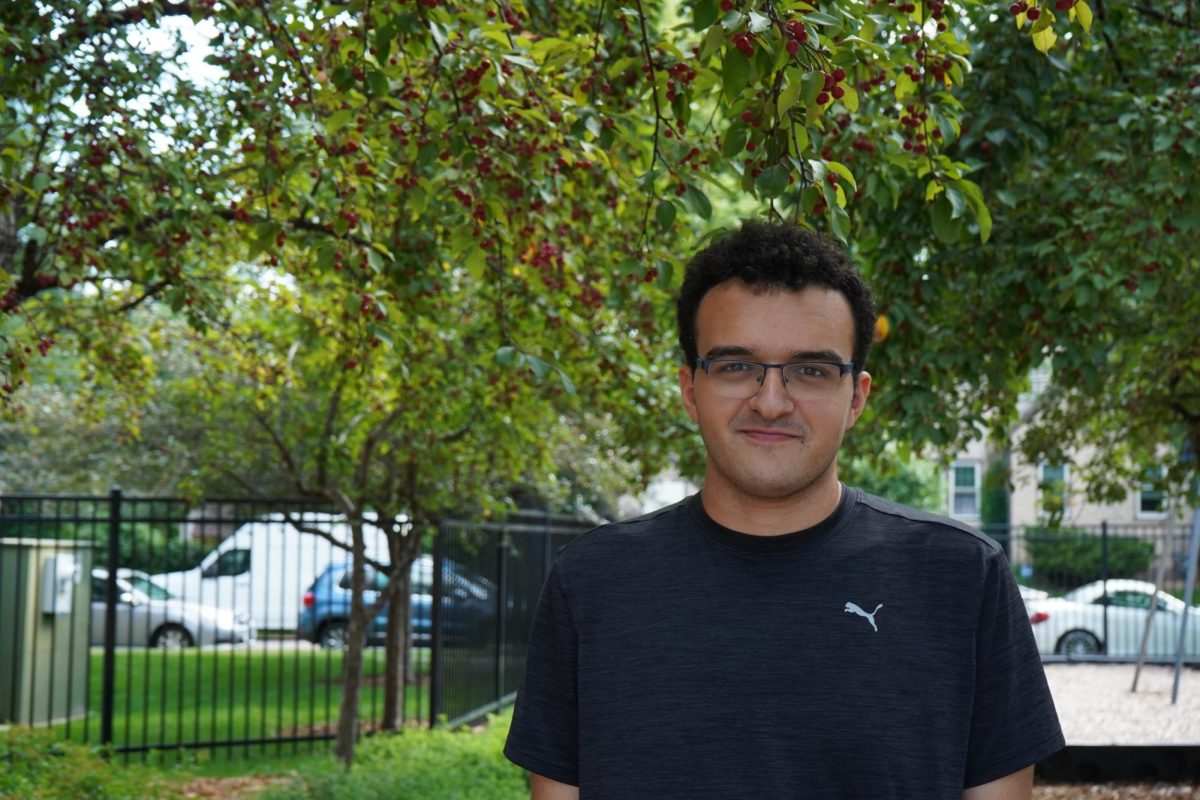
I’m Huxley Westemeier (26’) and welcome to “The Sift,” a weekly opinions column focused on the impacts and implications of new technologies.
______________________________________________________
I recently cleared out the backpack I’ve used for the past three years and found a mess of Post-It-Notes, a worksheet from an undeterminable class, three dead pens, and my TI-84 Plus CE Graphing Calculator. If you, too, have ever dug through the remnants of your bag after a school year, then congratulations: you understand what it feels like to write this last SIFT and dig through my archive.
I have been writing this column since October of my junior year, which also means that The SIFT has remained part of my weekly schedule throughout multiple science fairs, finals, college applications, and now Senior Project. Writing this last one has been harder than I expected, likely because I keep finding myself trying to extract meaning from such a metamorphic two years.
Here are most of the topics I’ve written about (prepare yourself):
Apple Events, E-cars, AI reasoning, nuclear power plants, AI-generated films, TVs that save your watch history, AI-generated Minecraft, AirPods as hearing aids, Elon Musk asking for health data (boo), Australia’s social media ban, Siri secretly listening to you, CES, DeepSeek, how the United Kingdom is secretly a cybersecurity supervillain, living computers containing biological neurons, Earth Day, resurrected dire wolves, how Meta is ALSO secretly a cybersecurity supervillain, the AWS outage, Halloween-themed surveillance cameras, $20K invasive robots, hallucinating stuffed animals, RAM, local AI models, Artemis II, Anthropic’s Mythos, a robot that beat the human marathon record, South Africa’s AI-generated policies, Microsoft Recall, and finally my Waymo experience.
Whew. We made it.
And 43 articles later, it’s coming to an end.
My writing process has remained fairly consistent. I found topics through extensive and technical research (Googling), read enough to understand how it worked and why it mattered, wrote up an opinion, and submitted it every Thursday evening, repeating the process each week. When I started back in 2024, I expected that the hardest part of The SIFT would be finding something entirely new to write about each week; that was actually the easiest part. It turns out that technology companies (Meta is the worst offender), governments, startups, and stuffed animal manufacturers alike (see more here) seem dedicated to providing me with enough material.
Most of the products or services I’ve covered seem genuinely helpful or innocent enough until you start SIFTING below the surface (surprisingly, the first time I’ve made that joke). A hallucinating stuffed animal might be entertaining to play with until it tells a child how to find a match and light it. Same with Amazon’s Ring camera makeover in October 2025: adding Halloween “costumes” for its Ring Pro lineup might seem like a ridiculous marketing stunt, but in reality, it is simply a way to normalize surveillance as Amazon rolls out additional law-enforcement partnerships.
After writing for The SIFT, I naturally ask these questions any time I hear about an exciting innovation: Who owns the data? What happens when the model is wrong? Why does this product even need AI? Why does it require an account? And, perhaps most importantly, why does this have to become a new normal? Now, I want to emphasize that I still appreciate technological advancements, even though I might be critical of them. After all, I would not have written 43 articles if I wanted every AI system dismantled.
As the Aldous Huxley quote that has always been lurking above my articles suggests, we mere consumers need to understand what is known and what is unknown, just to survive. OpenAI might tell us that their newest model is faster, smarter, safer, more personal, or more seamless: that is the known. The unknown requires researching what data was collected, how OpenAI’s privacy policy works, and the trade-offs introduced.
I’ve strived for The SIFT to operate within these “doors of perception,” and I hope that you, as readers, take that skeptical mindset with you to the next flashy product announcement.
Farewell, and thank you for reading my musings for the past two years.
To The SIFT: I’ll miss you.

Heather Ploen • May 29, 2026 at 11:38 am
Can’t believe you are graduating, Huxley. You were a kind and impressive human being when you came in for your interview, and you are leaving having soaked up everything you could over those three (relatively short) years. Good luck at MIT, and keep asking questions and exploring new opportunities! You will make a difference.