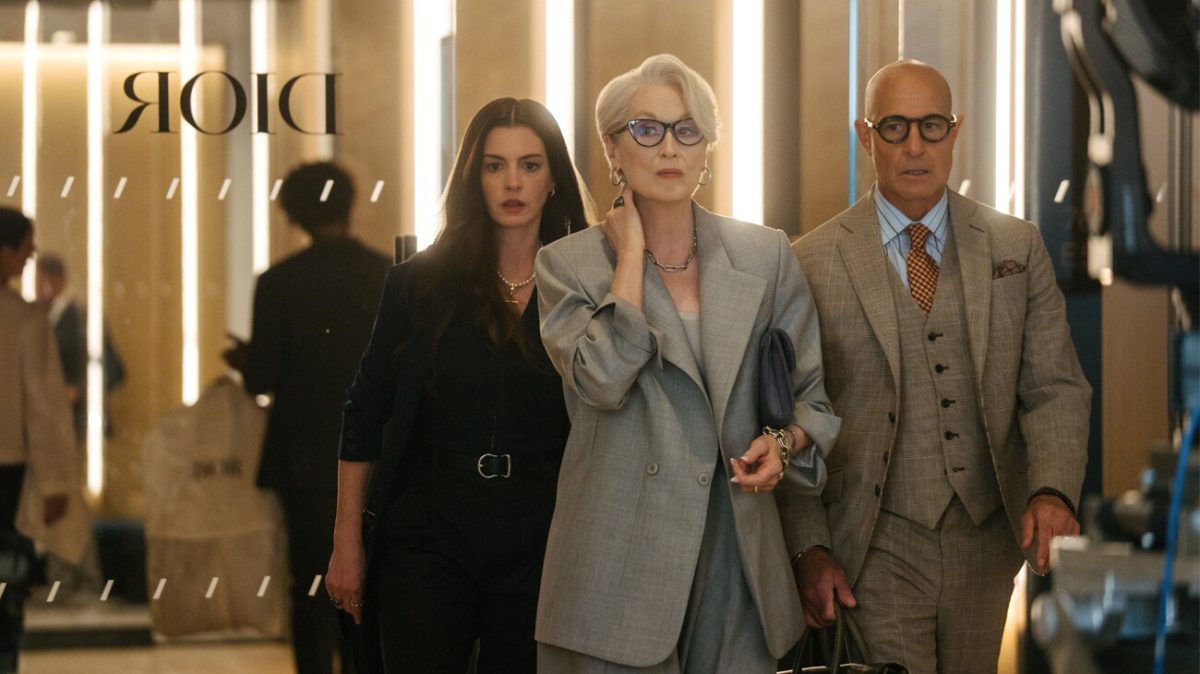

Anne Hathaway has five films releasing in 2026. The complex psychological musical thriller, “Mother Mary,” is the first, released April 17, followed by the dramedy sequel “The Devil Wears Prada 2” as her first blockbuster exercise of the year, a few short weeks later on May 1. After that, come Hathaway’s pair of genre summer projects: the gargantuan “The Odyssey” (July 17) and the mysterious thriller, “The End of Oak Street” (Aug 14). She finishes off her year with the psychological thriller adaptation of Colleen Hoover’s “Verity,” costarring Dakota Johnson, releasing on Oct. 2. Out of these five, “Mother Mary” is undoubtedly the smallest, but maybe the most intriguing.
The film is the latest project from beloved A24 auteur David Lowery (best known for the ingenious Arthurian fantasy tale, “The Green Knight”), and stars Michaela Coel opposite Hathaway. It presents some interesting ideas about fanatical music fandom (think “Swifties”), how famous queer women are perceived in the public eye and the lack of credit given to behind-the-scenes pop star employees. All of these ideas are well worth exploring in a feature film, but the film’s narrative struggles to tie them all together.
The majority of the blame falls on the movie’s somewhat sloppy pacing and story structure. The first half of the movie is mostly a conversation between two estranged friends: Hathaway’s mega-pop star, Mother Mary, and her immensely talented former costume designer, Coel’s Sam Anslem. To its credit, the audience learns key facts from the dialogue: that Mary cut Sam out when she took all the credit for their collaboration and moved on to another designer, and that Mary hasn’t performed since she fell from an elevated platform during a performance years earlier.
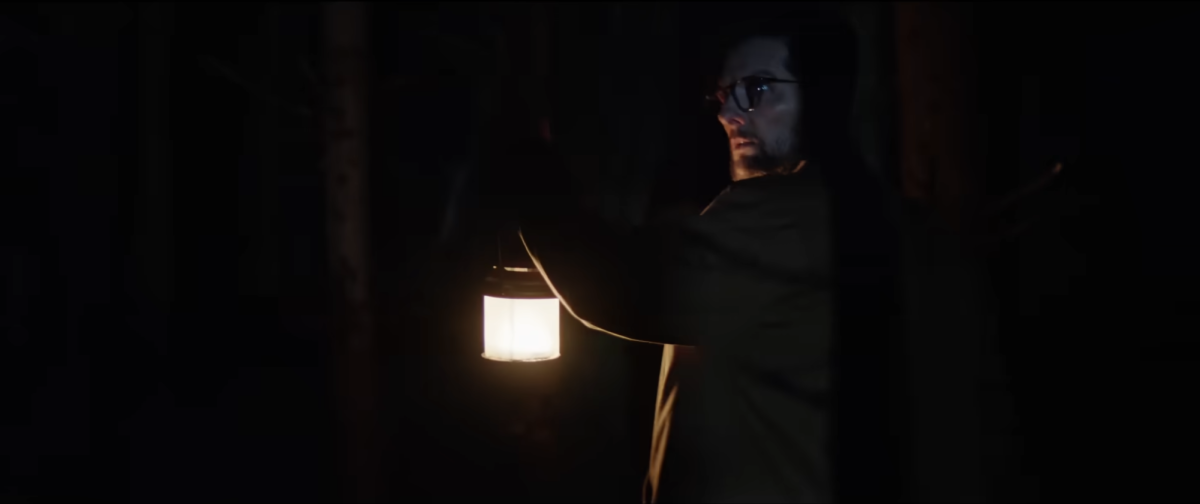
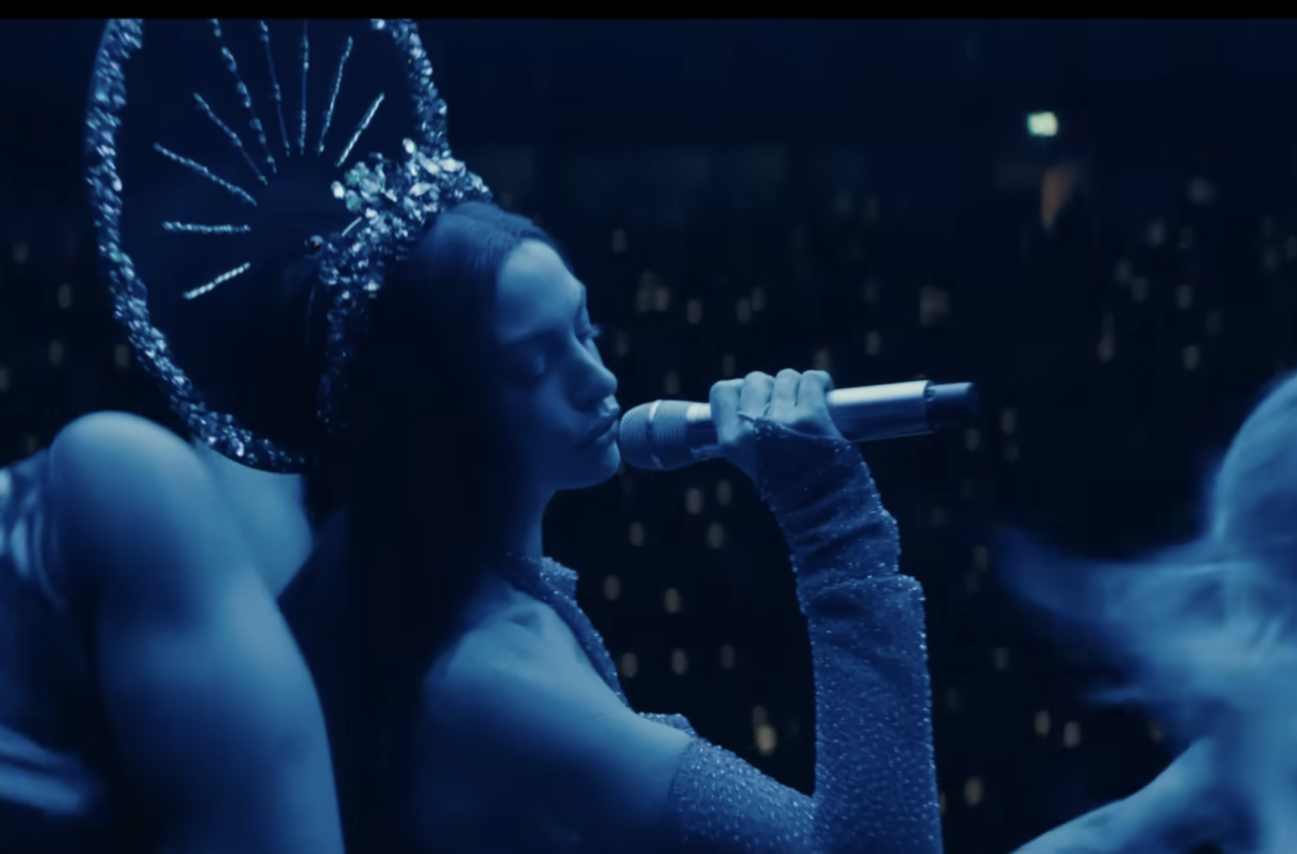
Most of the film takes place in a decrepit barn, but numerous flashbacks shift the scene to convey essential backstory. The concert scenes are astonishing, shot on location at a massive arena in Western Germany, and the scale is tremendous. Powerful lighting and shadow usage are a signature in Lowery’s films, and they’re ever-so-present in these magnificent concert scenes. Christ-like images are littered throughout the performance scenes, and Lowery used Taylor Swift’s “Reputation” Stadium Tour as a key visual guide. Other dynamic flashbacks take viewers into a gorgeous European hotel and backstage at one of Mary’s concerts. The thought and effort put into set design is a refreshing change, an aspect often overlooked in modern films.
“Mother Mary” hypnotically explores its themes, but doesn’t really get into any real depth until the second half. Some of the first half is smart, and all of it is well made, but it makes the back half feel claustrophobic. There’s a major reveal a little over halfway through the story that completely changes it — both tonally and structurally. The film’s runtime is perfect (a tight 112 minutes), but if editing had shortened the front and lengthened the back, it would be a more effective film.
Hathaway’s acting is phenomenal, delivering everything from demonic dances to guttural shrieks to timid nervousness flawlessly. She portrays this behind-the-curtain peek at a superstar and hits every note. Unfortunately for her, Coen steals the show with a much more reserved performance: breathy, smart and hostile. Every decision has reasoning, and every one is boldly unsafe. It’s one of Coen’s first starring roles, and she couldn’t have delivered more. I hope many directors see her work in this and decide they want her in their next project, because who wouldn’t?
I’m ecstatic that “Mother Mary” got made (similar to February’s “Crime 101”). It could’ve, and probably should’ve, been better, but it’s not a complete miss. Its themes are smart, its performances are otherworldly, and it’s better than 90% of the junk that gets pushed in the early spring movie season. The recipe of big ideas, big stars, and big budget makes it a film worth the price of a ticket.