
With just one photo and a few clicks, strangers can now create realistic fake nude images of real people, raising concerns among lawmakers and online safety advocates about harassment and exploitation.
In May 2026, Minnesota approved legislation that bans certain AI “nudification” technology and deepfake tools, software that digitally alters photos or videos to create non-consensual explicit images, especially content involving minors. “Nudification” refers to the use of artificial intelligence to digitally remove a person’s clothing in photos or videos to create fake nude or sexually explicit images. The law makes it illegal to host or operate these automated tools that create sexually explicit deepfakes of someone without their consent and increases penalties for people who distribute the material online, allowing victims to sue the platform creators. Supporters claim the law is meant for safeguarding victims as AI-based harassment keeps spreading quickly across the internet.
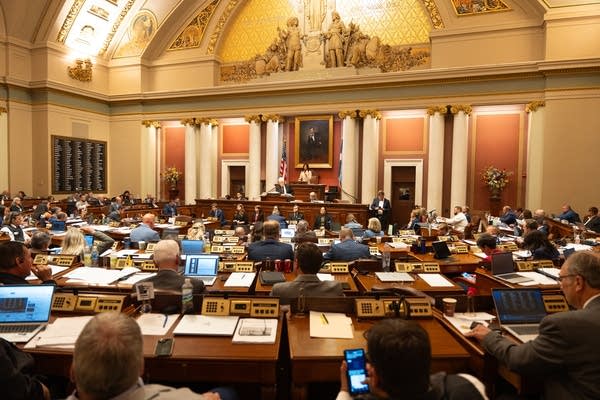
The bill, House File 1606, also known as the Minnesota Deepfake and AI Exploitation Prevention Act, passed the Minnesota House on a 132-1 vote on April 23 after tense, highly emotional debate from lawmakers who framed deepfake misuse as a growing threat to women and teens. Lawmakers pointed to reports suggesting that AI-generated explicit material has become more believable over time and easier to spread online.
Rep. Kristin Bahner said lawmakers needed to create “guardrails around AI” before the technology causes even more harm.
Concerns about deepfakes have also grown nationally after reports said the AI chatbot Grok was linked to the spread of millions of AI-generated images online in a short period of time. Three teenage girls filed a lawsuit against Grok’s parent company, xAI, alleging that it was used to generate child sexual abuse material from their photos.
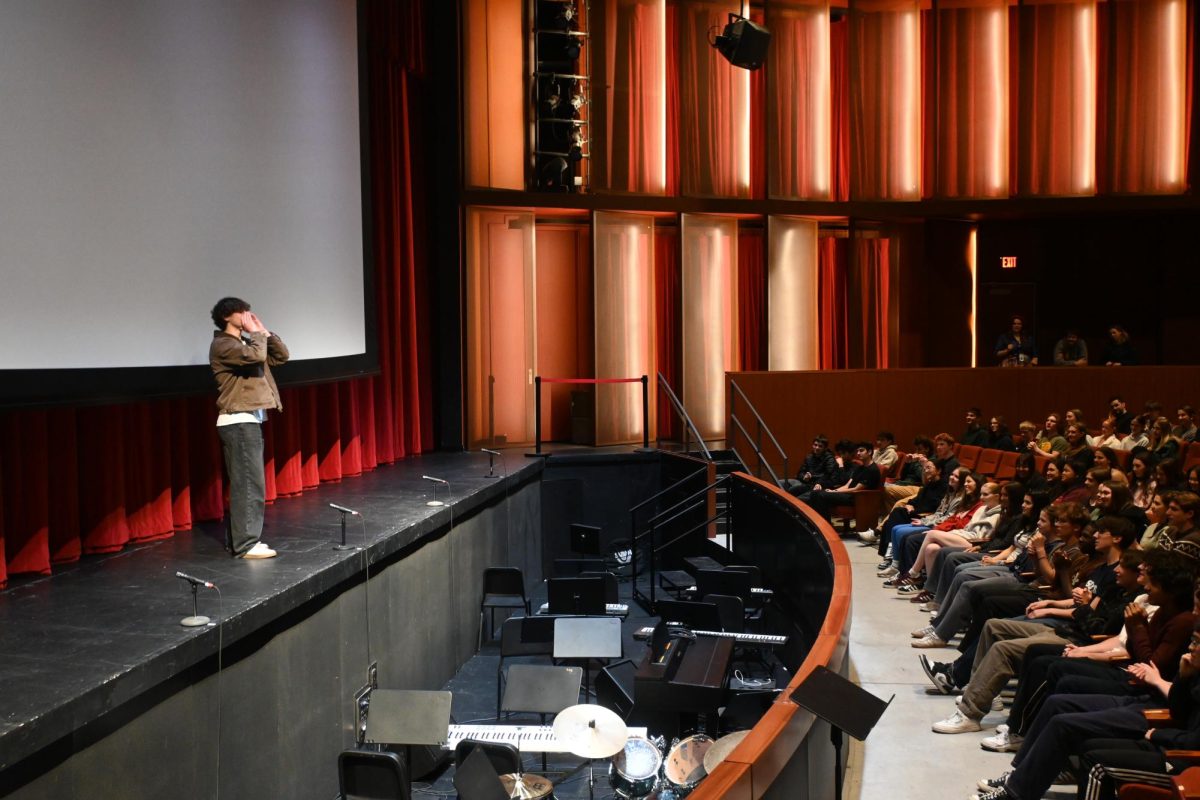
Ninth-grader Jack Miltner says he supports the legislation because deepfakes can ruin reputations and emotionally harm victims. “They could make a video of me saying things that I didn’t say,” Miltner said. “That would be really bad.”
Miltner also said deepfakes can continue to affect victims even after people learn the content is fake. Similar situations have already happened online, including the spread of explicit AI-generated images of Taylor Swift in 2024 that millions of viewers viewed before getting taken down by platforms. “It could still be traumatizing for them,” he said. “People would think differently of them.”
During the debate, lawmakers repeatedly stated that women and minors are the primary targets of AI-made explicit content. A few representatives also talked about what happens when victims lose their jobs, experience mental distress, and feel humiliated after these fake images get shared online.
Miltner believes schools should help educate students about consent and AI misuse. “You can take a photo of somebody with their consent,” he said, “but you can’t have AI take their clothes off.”
Supporters of the law say Minnesota is among the very first places trying to directly regulate AI “nudification” tools, setting an example for how governments may respond to the rapid rise of AI-generated harassment. As deepfake technology becomes more advanced and easier to access, the new law, which goes into effect in August, signals that Minnesota lawmakers want stronger protections for victims and harsher consequences for those who misuse AI online.