





![CALCULATING THE CHANGES. As study habits have changed, the materials used have changed too. "I remember the day when [my brother] came home with his graphing calculator, [which] had Mario. And I was blown away," Spanish teacher Peter Daniels said. (Photos: Fair Use; Wikimedia Commons)](https://www.rubiconline.com/wp-content/uploads/2026/05/Untitled-design-4-1200x800.png)


















![BEWARE. Junior Maisy Torres was expecting a Nickelodeon ride when she entered the haunted house at the State Fair. What she encountered was much more horrifying. "There's not enough money in the world to pay me to do [it again]," Torres said.](https://www.rubiconline.com/wp-content/uploads/2026/05/Never-again-with-nabeeha-1-e1778077989386-1200x802.png)


![[QUIZ] What famous scientist are you?](https://www.rubiconline.com/wp-content/uploads/2026/01/Untitled-design-3.gif)





100% staff agreement from The Rubicon print and RubicOnline staffs
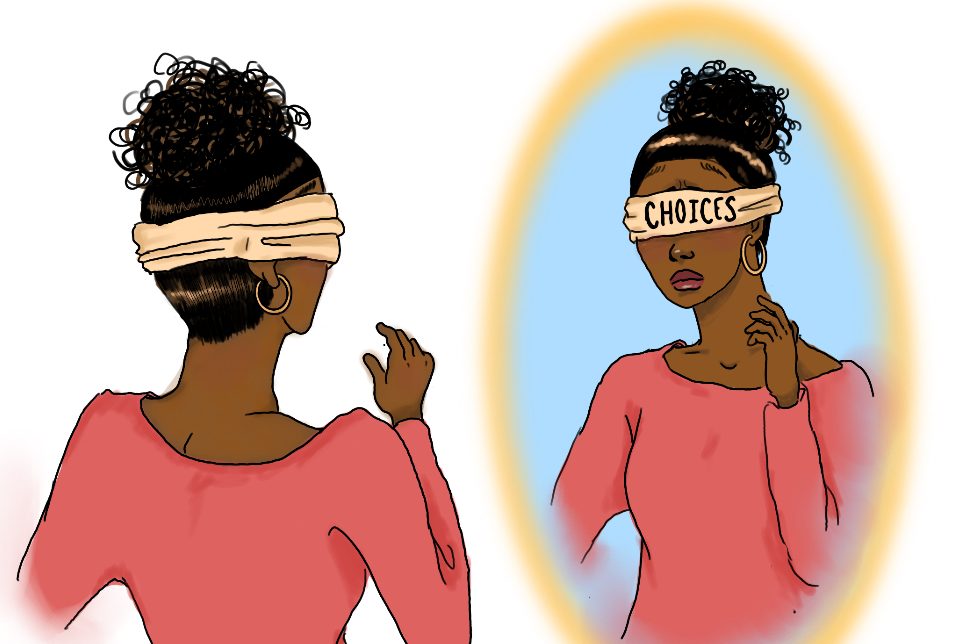
There is a quiet moment in every newsroom, student or professional, when a journalist sits alone with a story and asks, “Should I report this?” That question carries weight: because student journalism has long lived in a fragile space where courage collides with the fear of institutional boundaries.
We are encouraged to think critically, report responsibly and elevate the truth yet the freedom to do that work has never been guaranteed. For too long, that question has ended with silence, a story buried and a voice stifled.
The right to free speech and press from the First Amendment has shaped this country from its very founding, generating movements, protecting the vulnerable, exposing wrongdoing and expanding democratic participation. But its deepest impact is often invisible: it teaches us how to think, how to question, how to engage with complexity rather than shy away from it.
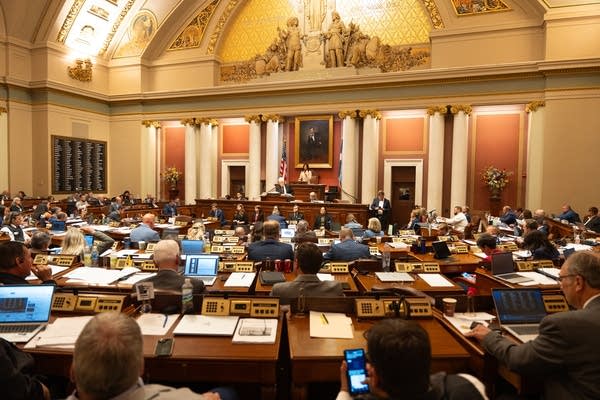
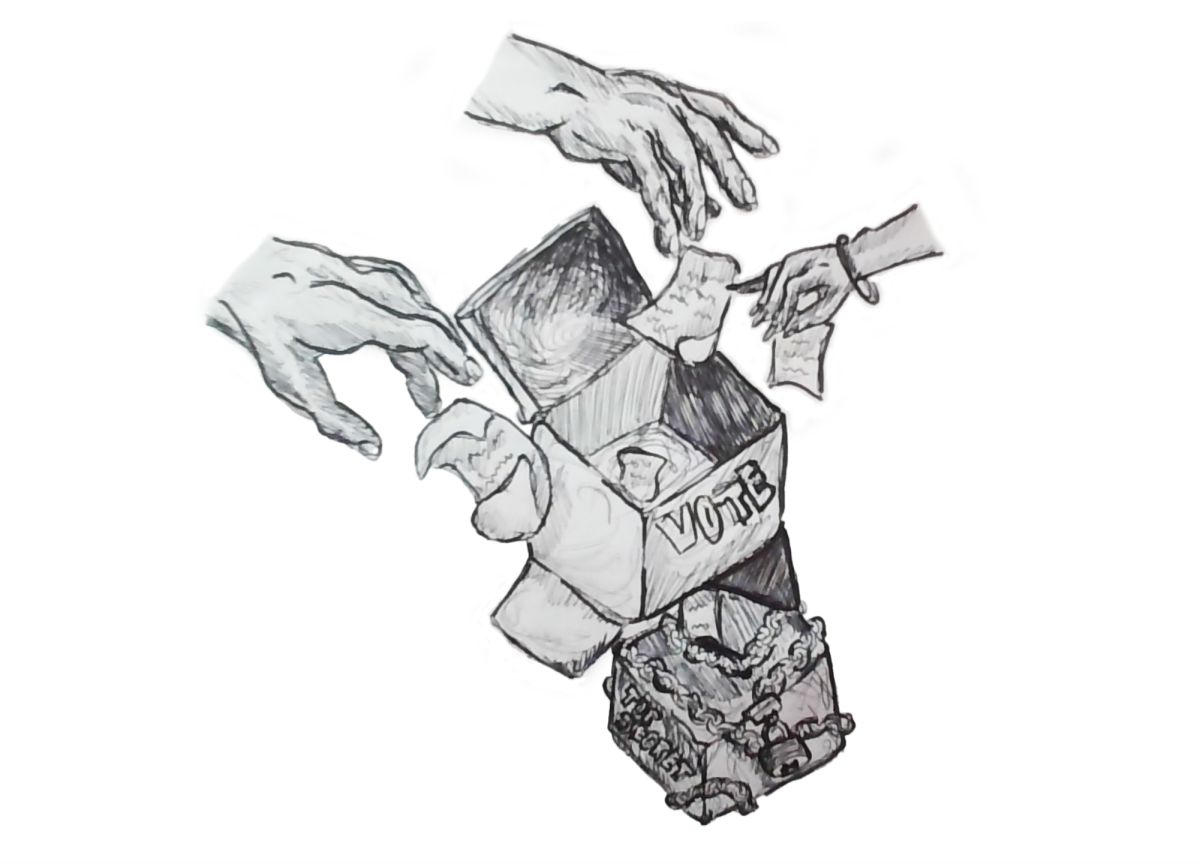
In 2024, Minnesota became the 18th state to enshrine meaningful protections for student journalists when Gov. Tim Walz signed the New Voices law, requiring public and charter schools to adopt a district-wide “student media freedom of expression” policy.
This is not only a legal victory but also a significant achievement. It is a cultural shift. It acknowledges that the stories students tell about their communities matter. It recognizes that free expression in schools is an integral part of civic education. Most importantly, it inhibits self-censorship and assures young reporters that truth, even when it touches sensitive subjects, has a place in public conversation.
But the principles underlying these protections cannot stop at the edge of public education; private schools that promise intellectual freedom must be willing to uphold these same values in the practice of student journalism.
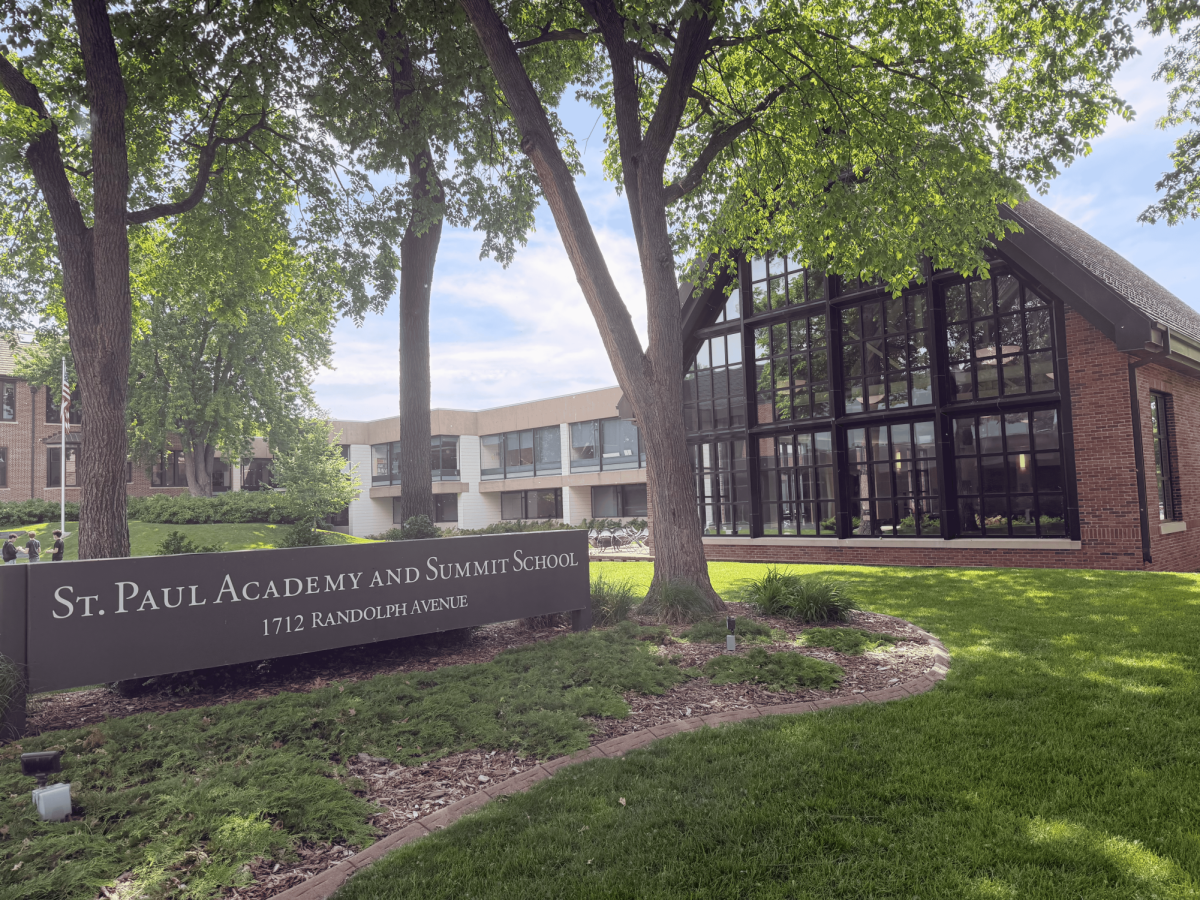
While private schools like ours are not bound by this law, they are not exempt from its moral compass. We sit in a unique position, with a nationally recognized journalism program rooted in the tradition of reporting the truth. Currently, The Rubicon journalists are working with the upper school administration and the head of school to develop guidelines that would formalize a framework for how journalism is supported at SPA. Through this initiative, we have the chance to embrace the spirit of New Voices, not because we must, but because it reflects who we aspire to be. Adopting such values would not only strengthen our credibility but also build our communities’ trust in journalism and serve as a beacon example, to our knowledge, of the first private school in the state to adopt a policy aligned with state law.
This marks a significant step forward. Establishing a framework grounded in the principles of the New Voices law directly aligns with The Rubicon’s mission to inform with integrity and inspire deeper conversations. It also reflects SPA’s core values by promoting transparent, ethical reporting and thoughtful engagement with issues that affect the school community. A clear policy would benefit not only student journalists, but also students, parents and community members by reinforcing trust in the stories that represent our community.
The right to speak means nothing without the will to hear. That is precisely where the New Voices law moves beyond policy and becomes a statement about trust in students, the value of transparency and the responsibility schools have in shaping the next generation — preparing young people to be engaged, thoughtful and informed members of society.
If we choose to embrace the spirit of New Voices, the next time a young journalist sits alone with a difficult story and asks, “Should I tell this?” The answer, supported by principle, policy and trust, will be theirs to make.