




![CALCULATING THE CHANGES. As study habits have changed, the materials used have changed too. "I remember the day when [my brother] came home with his graphing calculator, [which] had Mario. And I was blown away," Spanish teacher Peter Daniels said. (Photos: Fair Use; Wikimedia Commons)](https://www.rubiconline.com/wp-content/uploads/2026/05/Untitled-design-4-1200x800.png)





























![BEWARE. Junior Maisy Torres was expecting a Nickelodeon ride when she entered the haunted house at the State Fair. What she encountered was much more horrifying. "There's not enough money in the world to pay me to do [it again]," Torres said.](https://www.rubiconline.com/wp-content/uploads/2026/05/Never-again-with-nabeeha-1-e1778077989386-1200x802.png)

![[QUIZ] What famous scientist are you?](https://www.rubiconline.com/wp-content/uploads/2026/01/Untitled-design-3.gif)






100% staff agreement
“Likes Don’t Save Lives.” This was the popular ad campaign slogan launched by UNICEF Sweden in April 2013, encouraging people to donate directly to a cause rather than just liking a post. The campaign identified a problem with the growing trend of online “slacktivism:” supporting a political or social cause solely through social media with minimal additional effort. It argued that social media often allows those who aren’t directly affected by an issue to feel involved without investing much energy in the cause.
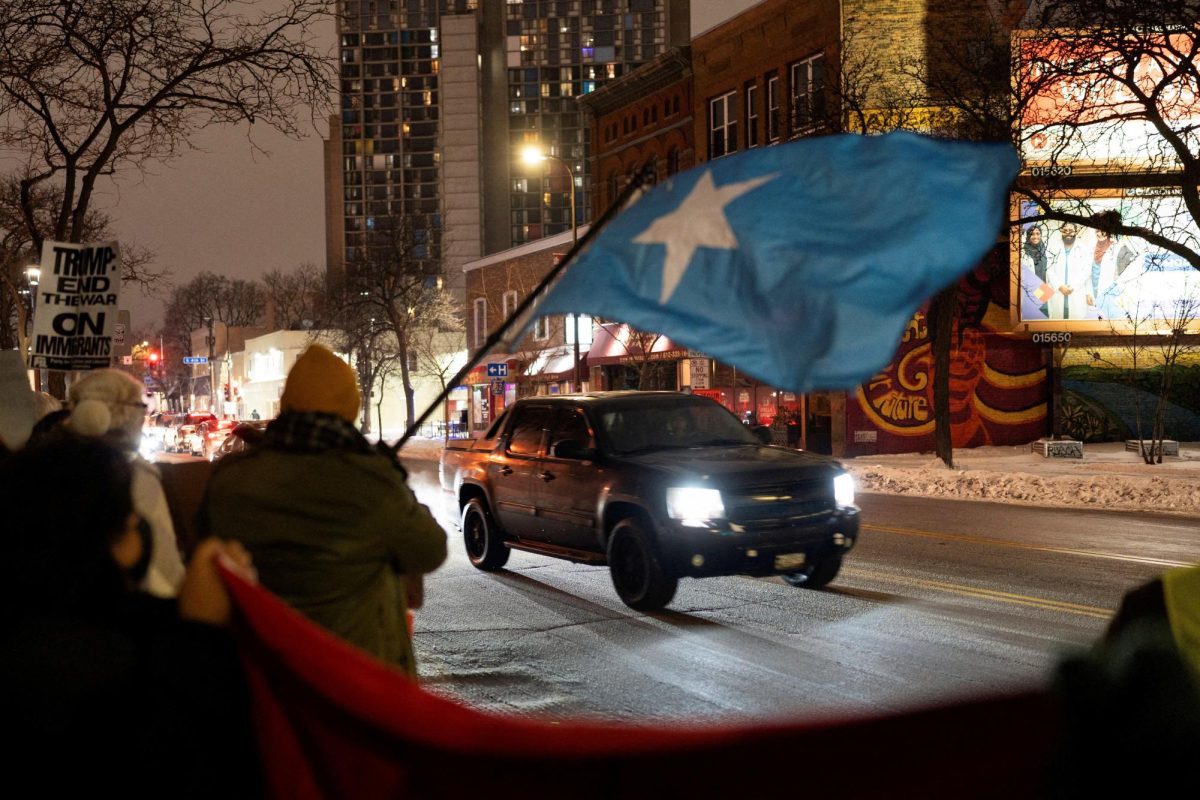
As we’ve seen since U.S. Immigration and Customs Enforcement began its occupation, Minnesotans are having the greatest impact when social media platforms serve as a foundation for engaging directly with immigrant communities and providing support.
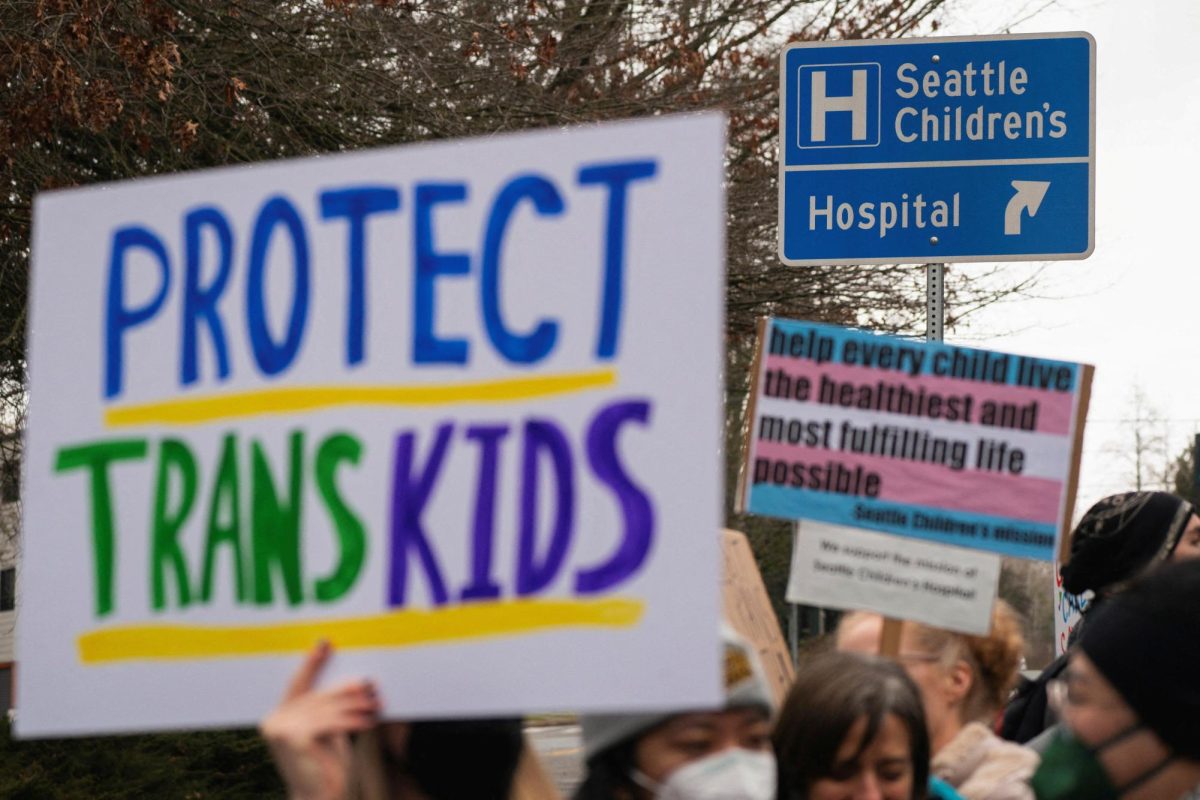
Most commonly, students engage on social media by reposting anti-ICE messages or sharing photos from protests in their Instagram stories to express their opinion. However, as UNICEF Sweden warned, a repost or a like does not help as much as participating in a food drive, organizing a carpool for affected families or volunteering time to the cause. These quiet acts of activism, which sometimes go unrecognized, are what really make a difference.
While an Instagram story can showcase one’s stance on an issue, a post alone often fails to enact meaningful change. According to a 2023 Pew Research Center report, titled “Americans’ views of and experiences with activism on social media,” 46% of U.S. social media users had been politically active on social media in the past year, but only 14% had looked up information about protests or rallies in their area. Attention is not action. Activism is most effective when one unplugs from social media and makes an effort to contribute to change; otherwise, it risks being performative.
Over the last few months, Minnesotans who consciously avoided these pitfalls successfully used social media to organize a broader community effort against federal immigration operations.
For example, The Minnesota Star Tribune reported on Feb. 11 about a group of Minnesotan moms who communicate via Signal chats to mobilize residents to support immigrant families. Through their encrypted network, they have organized efforts to deliver food, volunteer for packing donations and spread a little joy to those staying inside for fear of ICE.
In another instance, five University of Minnesota student unions collaborated on social media to promote the nationwide shutdown on Jan. 30. Their post received nearly 34,000 likes on Instagram, and an estimated 50,000 participated in protests in downtown Minneapolis that day, sending a message that resonated across the country. These actions demonstrate how community members are successfully utilizing social media and digital activism to enact meaningful change.
On Feb. 12, White House Border Czar Tom Homan announced the gradual withdrawal of Operation Metro Surge. Still, Minnesotans will continue to feel the economic, social and psychological damage that federal agents inflicted upon the state. There is a need to continue community organizing for children who missed school, businesses struggling financially, workers who stayed home and so many others. Whether digital or in real life, the activism is far from over.
Keep donating, volunteering, protesting and organizing, whether it gets shared on social media or not. Post with intentionality instead of for proof, with the focus on recruiting others to join in the effort to make a direct impact on those affected. Through large and small acts of activism, continue to uplift Minnesota.