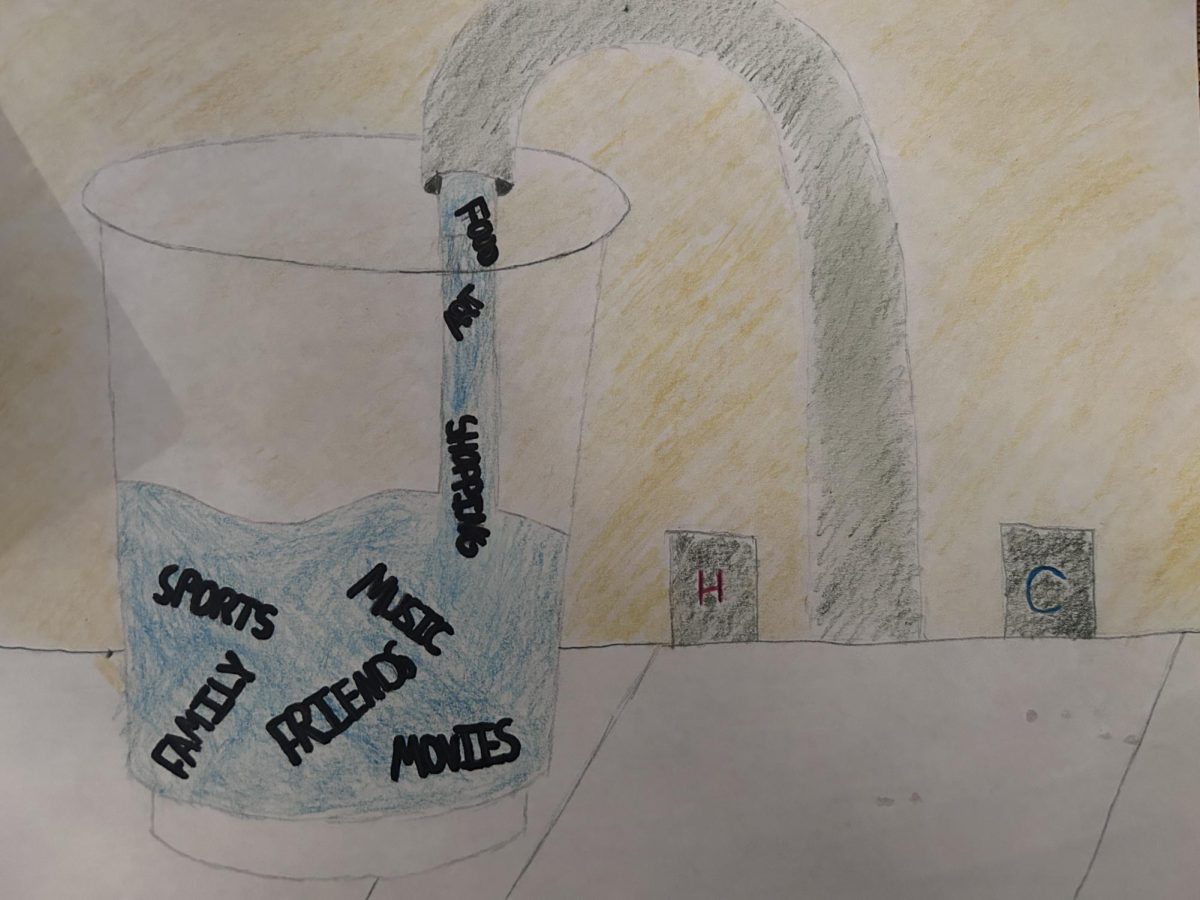

One thing that has become way too normalized for students is constantly being busy. Between school, sports, jobs, extracurriculars, homework, and maintaining a social life, many students feel they can never catch a break. Somehow, being overwhelmed all the time has become something people are proud of.
It is common to hear students brag about getting no sleep or having a packed schedule, as if it proves they are working harder than everyone else. Social media makes this even worse. Online, students constantly see people balancing perfect grades, sports, work, and social lives all at once, making rest seem both lazy and unproductive by comparison. Over time, being “busy” has become less of a problem and more of a status symbol.
However, research shows that being busy is not always the same as being productive. In The Productivity Paradox: Does Being Busy Equate to Being Productive?, researchers explain that busyness often means “nonstop engagement in activities” while productivity is the effective use of time to create meaningful results. In other words, filling every second of the day with tasks does not necessarily mean someone is accomplishing more. The study also found that constant busyness can weaken creativity, focus, and decision-making due to stress and mental overload.
This idea is also supported by research on multitasking. According to a study discussed by Dr. Travis Bradberry, switching between tasks can increase the time it takes to finish them by as much as 25 percent. Microsoft researchers also found that after interruptions like texts, emails, or notifications, it took workers an average of 15 minutes to fully return to their original task. Students often think juggling multiple tasks at once helps them stay productive, but in reality, constantly dividing attention makes it harder to focus and easier to burn out.
Students often compare how overwhelmed they are or how little sleep they got, almost turning stress into competition. Exhaustion is treated like proof of dedication rather than a warning sign that something may be unhealthy. Researchers from the University of Chicago invented the term “idleness aversion,” meaning people feel uncomfortable resting because society associates busyness with success. Instead of asking whether constantly being overwhelmed is healthy, many people just accept it as a part of being successful.
The problem is not that students care too much about school or their future. Ambition is crucial. The issue is that many people students feel pressured to constantly prove they are working hard, even if their packed schedules leave them emotionally drained. When students are always focusing on the next assignment, practice, or responsibility, it becomes incredibly difficult to actually enjoy life and appreciate their accomplishments.
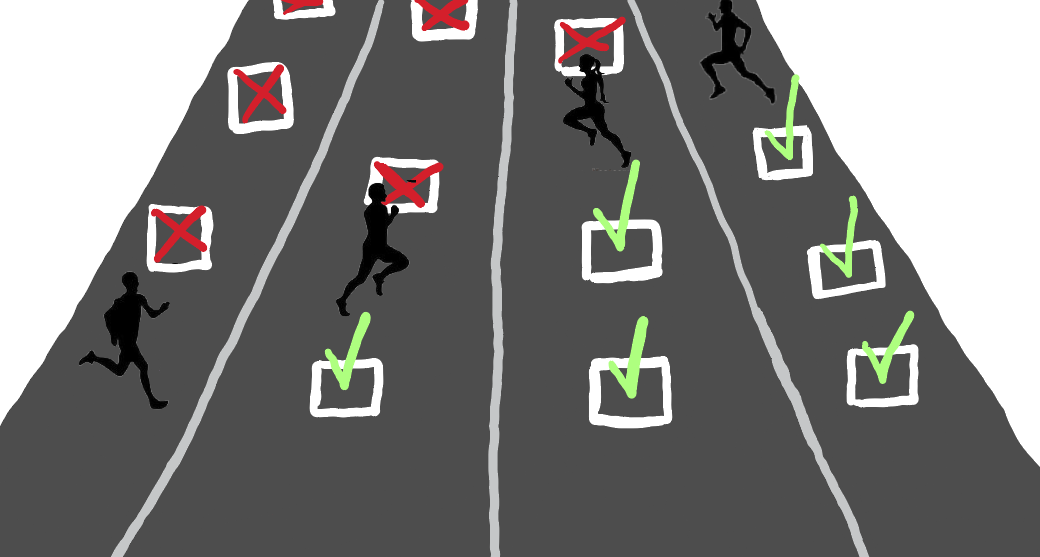
So what is the alternative? Productivity experts like Tim Ferriss argue that students should focus less on doing everything and more on prioritizing what matters most. One strategy he recommends is identifying the few tasks that deliver the biggest results, rather than wasting energy trying to do everything at once. Rather than glorifying exhaustion, students should learn how to manage their time intentionally, take meaningful breaks, and recognize when being “busy” is no longer helping them succeed.
Creating balance does not mean students should stop caring about school or their future. It simply means recognizing that success should not come at the expense of mental health and well-being. Students deserve time to rest, spend time with their loved ones, and enjoy life outside of their responsibilities, and they shouldn’t have to earn rest by exhausting themselves first. Being hardworking is important, but learning when to slow down is just as valuable.