



![CALCULATING THE CHANGES. As study habits have changed, the materials used have changed too. "I remember the day when [my brother] came home with his graphing calculator, [which] had Mario. And I was blown away," Spanish teacher Peter Daniels said. (Photos: Fair Use; Wikimedia Commons)](https://www.rubiconline.com/wp-content/uploads/2026/05/Untitled-design-4-1200x800.png)














![BEWARE. Junior Maisy Torres was expecting a Nickelodeon ride when she entered the haunted house at the State Fair. What she encountered was much more horrifying. "There's not enough money in the world to pay me to do [it again]," Torres said.](https://www.rubiconline.com/wp-content/uploads/2026/05/Never-again-with-nabeeha-1-e1778077989386-1200x802.png)


![[QUIZ] What famous scientist are you?](https://www.rubiconline.com/wp-content/uploads/2026/01/Untitled-design-3.gif)




Amanda Hsu: Managing Editor of Diversity and Community is a new role on staff this year, tasked with ensuring The Rubicon remains accurate in representing and expressing the SPA student body. I’m Amanda Hsu, and in this podcast episode, I talk to senior Lani Ngonethong, who has navigated equitable coverage behind the scenes.
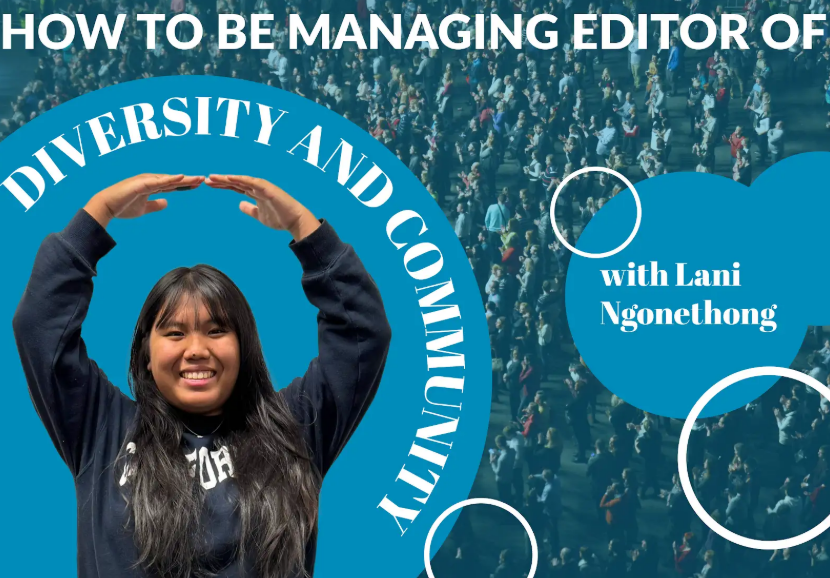
Hsu: What is your role on staff this year?
Lani Ngonethong: I have two staff positions. I’m an In-Depth editor and also the Managing Editor of Diversity and Community.
Hsu: What are some of your responsibilities as In-Depth editor and Managing Editor of Diversity and Community?
Lani Ngonethong: So, for In-Depth, it’s similar to Peter’s [section]. It’s just we do our cycle is a little different from the regular cycle. We do by month, so basically, my writers get a month to write their story. And that’s because In-Depth, as the name suggests, [has] very In-Depth stor[ies]. There’s more research, more graphics, kind of everything to the next level because we have more time. So my role is to edit all those stories and help make the graphics and the photos. So while editors can usually split their section into two [roles], I usually have to edit three to four, maybe sometimes two if I’m lucky, stories.
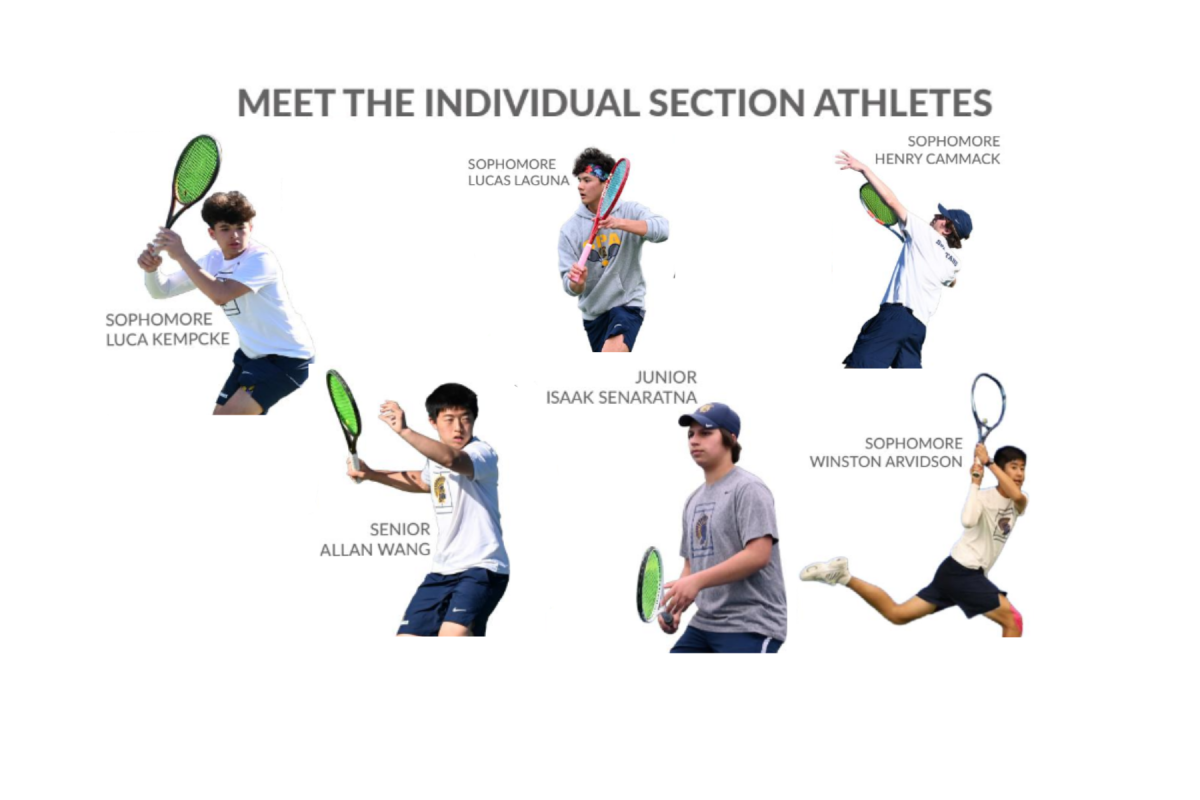
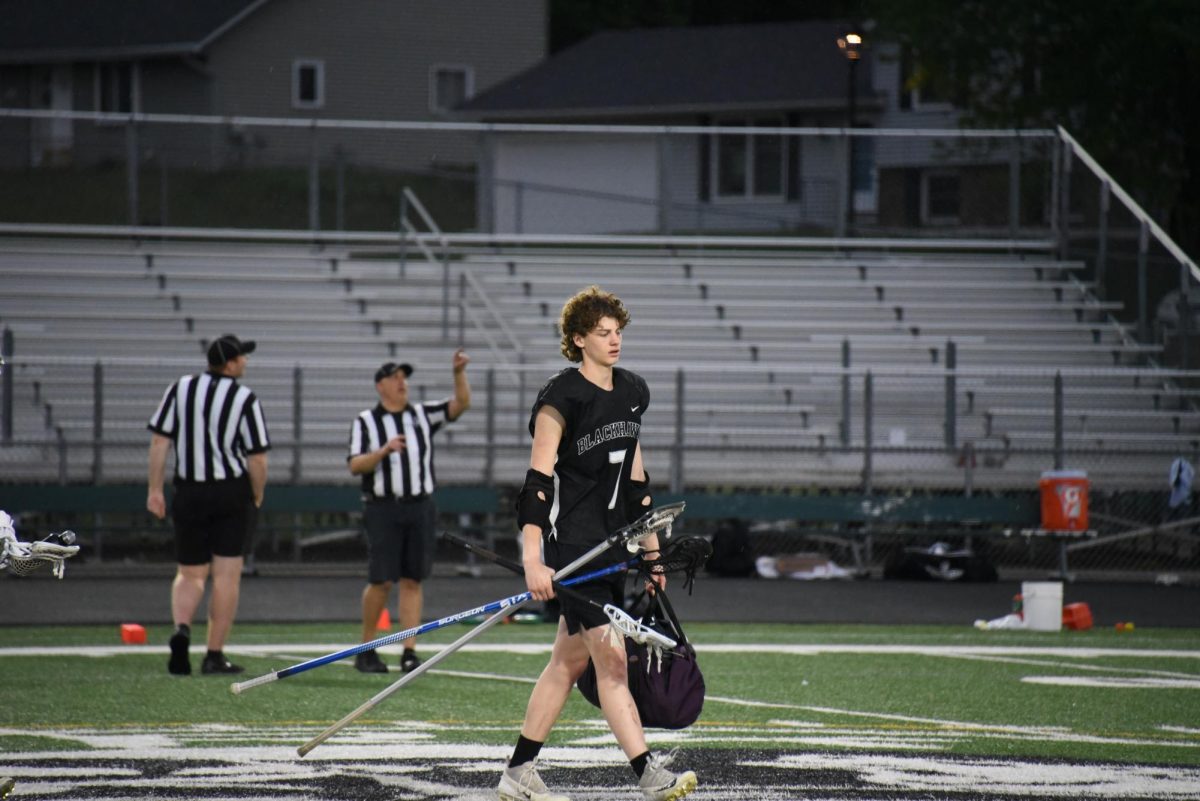
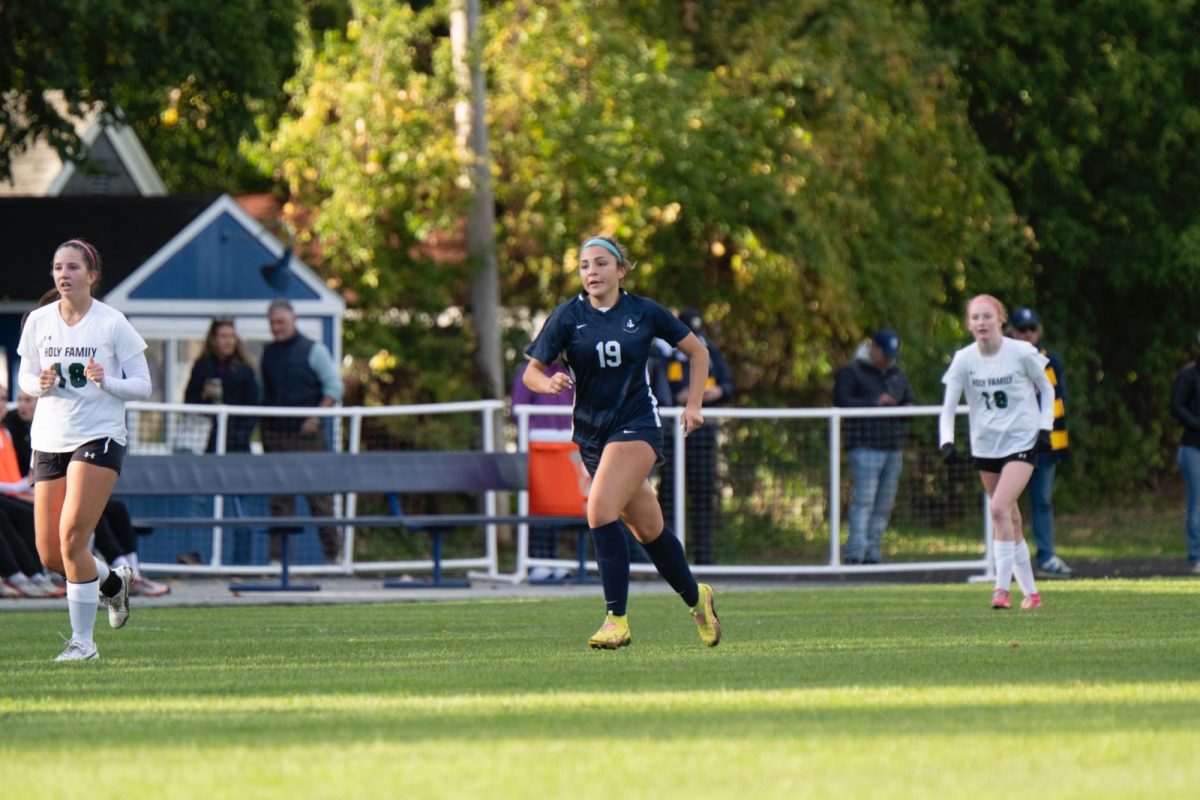
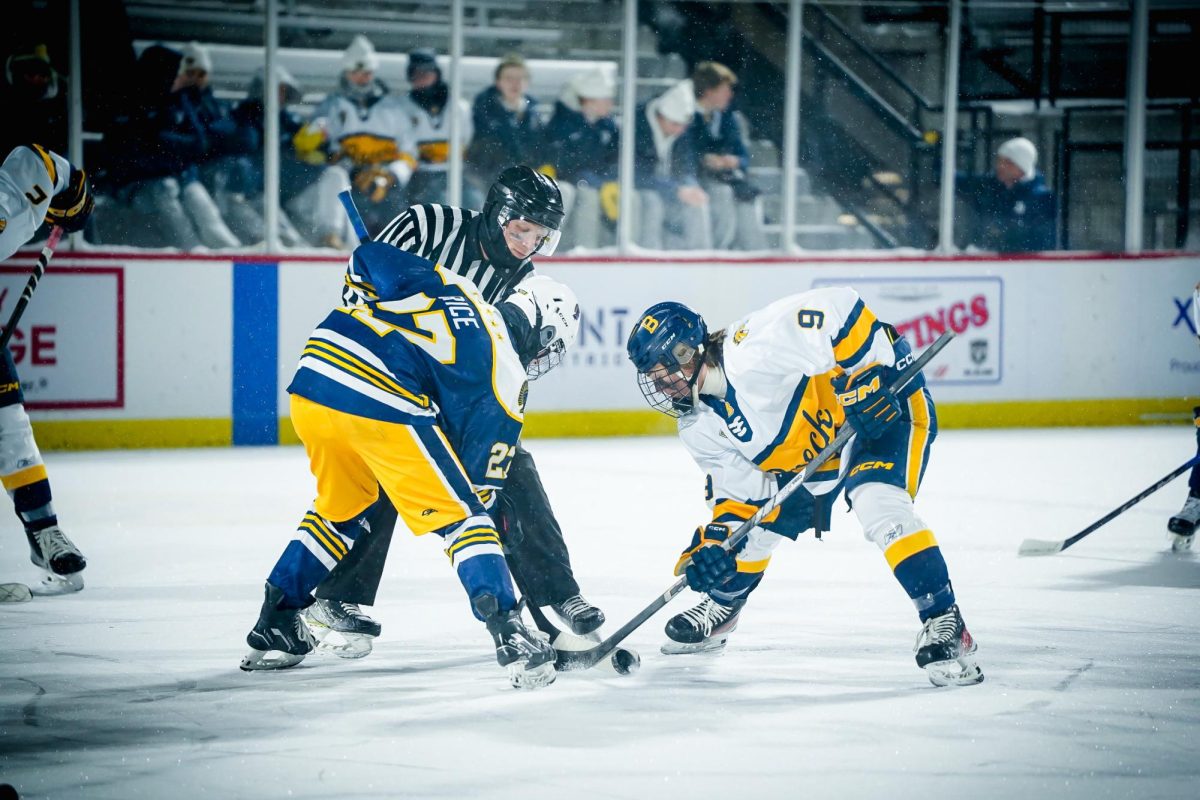
And my role for Managing Editor of Diversity and Community, for this one, it’s a little more broad. I work with not just The Rubicon staff, but I also work with the school community as well, with outreach and things. So something I’ve done that some people might know of, is I host meetings for the sports editors and sports captains every season. So in the fall, we met with the fall sports captains to hear how they want to be covered and to hear what kind of stories they want to be in and just what we should pay attention to, whether it’s upcoming games or maybe an athlete has something interesting going on and stuff like that.
Hsu: How do you usually pick your In-Depth topics?
Ngonethong: Everyone’s a little different and I’m a very topical person. I usually go by topical topics where it’s based on news or current events that I see. So usually when I see something that’s a really big news article, like most recently, it’s probably Venezuela and the U.S. Or I guess something that I can share is when there were a lot of cuts to humanities and a lot of the arts foundations in the U.S. just a few months ago, we decided to do an In-Depth story about what that means for the arts, how the arts and the politics interact. That’s one of the stories that I’ve done, so yeah, definitely based on news and what’s going on currently and definitely trying to stick with current events.
Hsu: In your role as Managing Editor of Diversity and Community, how do you make sure The Rubicon accurately reflects the student body and population? Are there any policies, any actions you have done or want to do in the future?
Ngonethong: It’s a very new position, it’s the first time we’ve had this position, so I’m the first one to be in this [role]. So we haven’t done too much yet, but things that I’ve been doing is I’m really making sure we have a coverage spreadsheet where we have a list of basically everyone in the school and we know how many times someone has been covered and which stories they are [in]. Using that, we really try to diversify who we cover. So for example, Amanda, if she wasn’t on The Rubicon, [if] we already had her in three stories within the span of two months and we’d say we can’t cover her for the next two months unless we really need to, because we want to try to get other voices. So that’s something that I really check with people, mak[ing] sure they check [the coverage tracker] before they reach out for interviews.
Something I’m working on right now is aggregat[ing] and disaggregat[ing] the data that we have with the spreadsheets, trying to really pinpoint who are we covering a lot and who are we covering not enough. That could mean by grade levels, that could also mean by gender and by race and just by honestly anything that you can really think of, making sure that we get a lot of those voices too.
Hsu: In general, how do you think The Rubicon is doing with this goal of diversity and representation right now?
Ngonethong: I think we’re actually doing pretty okay. We’re actually a lot more diverse and [reaching out more] this year I think I’ve seen. I think one thing that we do see a lot is, every year, the seniors are always getting interviewed the most. So definitely trying to step away from that, trying to get more freshmen voices, because it really does kind of go down the grade [levels] where seniors get interviewed the most and featured the most and then ninth-graders not so much. But I think that’s also something that as a community, we just have to build that relationship with each other, with the underclassmen and the upperclassmen. But I think we actually do pretty well. And I think from what I heard in the staff room, when we choose our interviewees and who we want to talk to, people really do put in a lot of thought about who’s right for a story, because if we do a story about art, we’re not going to go interview someone who’s known for not doing art.
Hsu: What inspired you to run for these positions, or what are your favorite parts of these positions?
Ngonethong: So In-Depth editor, it’s been a long time since the online has had an In-Depth editor and I was just so inspired by Amanda’s work as an In-Depth editor last year. It’s just more of my creative side, where I love playing with graphics and I love making graphs and just putting together collages and everything and I just live on Canva basically [to] put things together. And I really enjoyed publishing those [In-Depth] stories, moving them from print to online. And I just had so much fun with all the colors and the creativity. And I also found In-Depth to be my favorite because it just took more time, which meant more careful stories and also more researched stories that I felt fit my idea of journalism.
And for the Managing Editor of Diversity and Community, I actually didn’t know I would get this role until I was offered it last year, after running for positions. And last year the top editors, based on my presentation for my other roles that I really wanted, said since you’re so community oriented and [because] I did a lot of stories and proposed a lot of stories about reaching out to the community and branching out, they wanted me in this position to help The Rubicon as a group really just try to branch out as well.
Hsu: What have been a few of your favorite stories to either write or edit?
Ngonethong: I love In-Depth, you already know that though. I love editing those stories, but the stories that I really like to write kind of reflect how much I like In-Depth. I really do like data-driven stories. I can already think back to my very first story ever wrote for The Rubicon, which was an opinion, or that was my second story, which was an opinion about equitable school funding and I just buried myself in data and whatever numbers were released about it, and really used research as the basis of all my stories. I don’t think there’s ever going to be a journalistic story that doesn’t have numbers and so all of my stories are really like that.
And contributing to my goal as Managing Editor of Diversity and Community is I try to be a voice for the Asian American community in Minnesota. So a lot of my stories that I’ve pitched and I’ve written are about the Hmong community, or the Southeast Asian community, or just about Asians in general.
Hsu: If you had to pick one favorite story, which one would it be?
Ngonethong: I’m a little biased, but I my first In-Depth story that Zimo and Yassin worked on and that I led. I forgot the title, but it was about the 50th anniversary of the Southeast Asian refugee communities in the U.S. since 1975, which many you might remember was the era of the Vietnam War and the Khmer Rouge and the Secret War, so 50 years. And I was really proud of that story when it went up and I’m glad it got so much traction and it was also a podcast. And it was just really nice for me to also talk about my own story, my family’s story, but also to hear from other people as well.
Hsu: What is a dream story idea you would want to write before you graduate?
Ngonethong: I have one story. I think one thing that being young and a journalist is always kind of about is that you do kind of want to stir up some stuff, but, you know, do it in a smart way, [especially because] right now, we’re kind of in the midst of the New Voices Act. There’s been a few tips that have been circulating in the public school student journalist community [that] there are a few districts that aren’t upholding what they have to in order to offer public school students the freedom of speech. So I do really want to look into that and I think whether it’s with The Rubicon or with another outside journalist organization, that’s something that I think would require a lot of research and a lot of in-depth research I would love to cover.
Hsu: What is some advice you would give someone looking to join The Rubicon or going into journalism in general?
Ngonethong: Definitely join The Rubicon. Because at first, even when I joined, I was like, oh I just know this will help me write better first of all. Which it does; you write things once a week, you obviously get a lot better. And if that doesn’t persuade you to better yourself, The Rubicon has a lot of photo equipment, things that you can’t really get your hands on on the regular, like podcast equipment, cameras, microphones and tripods and all that. Things that you might not have, you can use for The Rubicon for free and you can just check out and it’s really easy.
And the prestige that I think that many people take for granted, that The Rubicon has, with us winning so many national awards, you really are getting a quality journalistic education and you’re producing quality work. And I think whether it’s for college or just for yourself, that’s something to be really proud of and you will be proud of if you join.
Hsu: What do you think is the main lesson you’ve taken away from The Rubicon?
Ngonethong: I think, more than anything, besides my basic skills as a writer, I really just learned how to stand up for myself. It’s really shaped my morals, I think, because the more you’re assigned these stories that you think you don’t know what you’re going to do, it forces you to research and it forces you to see the world in a different way. And not just for a grade, but honestly, it teaches you to see what’s happening in the world and how you want to write about it as a high school student and how you want to write about it to your peers. It just really taught me how to view the world and how to process events that are going on, whether they’re, you know, very serious, or whether they’re just about a movie that came out. I guess to say, my main takeaway would be it’s really teaching you how to be a global citizen and a good, involved and politically aware person.
Hsu: Do you plan to pursue journalism in college or in the future?
Ngonethong: I don’t know about my career or anything like that, but I definitely do want to pursue it in college. I mean, again, it’s a very good way to continue practicing your processing skills in the world and also how to write well. And it’s an avenue to really meet people and hear people out. So I think that’s something I really do want to continue in college and a skill that I want to have throughout my life.
Hsu: And last question, if you could go back in time and join print or online, which one would you choose?
Ngonethong: Oh, well, I love print. As much as I love [online], I’ve always admired how much creativity the [print] truly had, because on [online] we work in a website kind of that has set templates, so you can’t so besides changing colors and stuff, you can’t really change formats. But every time print drops and they have a new amazing splash, or you guys call it spread, new spread, I just am so shocked and it’s just so beautiful. I really do think about [how] if I join print I could really expand my creativity. I would do both if I could.
Hsu: You can take a look at Lani’s latest work on RubicOnline. Thank you for listening to this podcast episode. We will be back with more behind-the-scenes stories from staff. See you then.
(Music: “Lightness of the Moment Instrumental” from Wevideo Music Library)