




![CALCULATING THE CHANGES. As study habits have changed, the materials used have changed too. "I remember the day when [my brother] came home with his graphing calculator, [which] had Mario. And I was blown away," Spanish teacher Peter Daniels said. (Photos: Fair Use; Wikimedia Commons)](https://www.rubiconline.com/wp-content/uploads/2026/05/Untitled-design-4-1200x800.png)




























![BEWARE. Junior Maisy Torres was expecting a Nickelodeon ride when she entered the haunted house at the State Fair. What she encountered was much more horrifying. "There's not enough money in the world to pay me to do [it again]," Torres said.](https://www.rubiconline.com/wp-content/uploads/2026/05/Never-again-with-nabeeha-1-e1778077989386-1200x802.png)


![[QUIZ] What famous scientist are you?](https://www.rubiconline.com/wp-content/uploads/2026/01/Untitled-design-3.gif)





Culture is fluid. At one moment it can be one thing, and at another, something different. Culture differs for each person based on their experiences, traditions or customs, and can play a major role in their identity, as a combination of their religion, affinity and personal experiences.
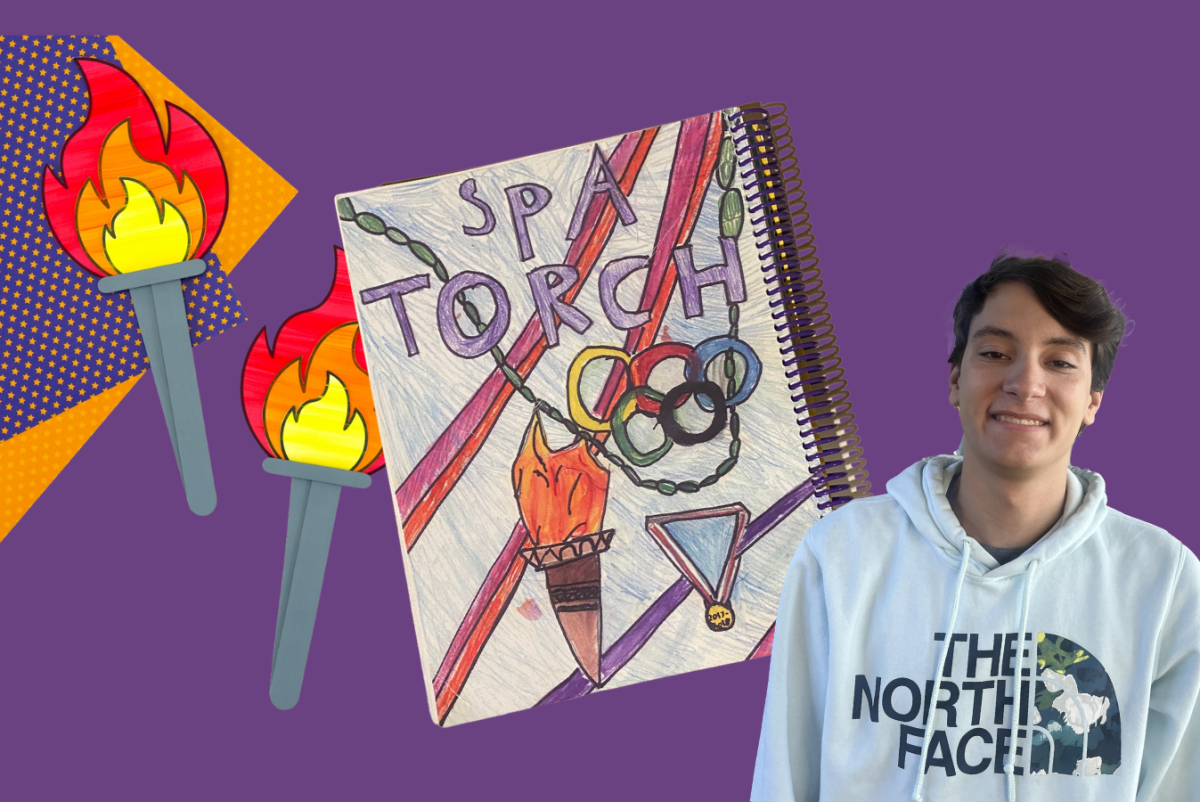
For ninth-grader Scout Wainwright, culture is a means of connection. “[Culture] is like the things that are connected to your personal identity that kind of make up and shape who you are as a person and connect you back to a certain group of people,” she said.
PUSHING BOUNDARIES
Wainwright’s definition of culture fits with the broader definitions set by the United Nations Educational, Scientific and Cultural Organization. In 2001, the UNESCO Universal Declaration on Cultural Diversity defined culture as “the set of distinctive spiritual, material, intellectual and emotional features of society or a social group, that encompasses, not only art and literature but lifestyles, ways of living together, value systems, traditions and beliefs.”
However, a single definition cannot capture the individual experiences that make each person feel connected to their culture.
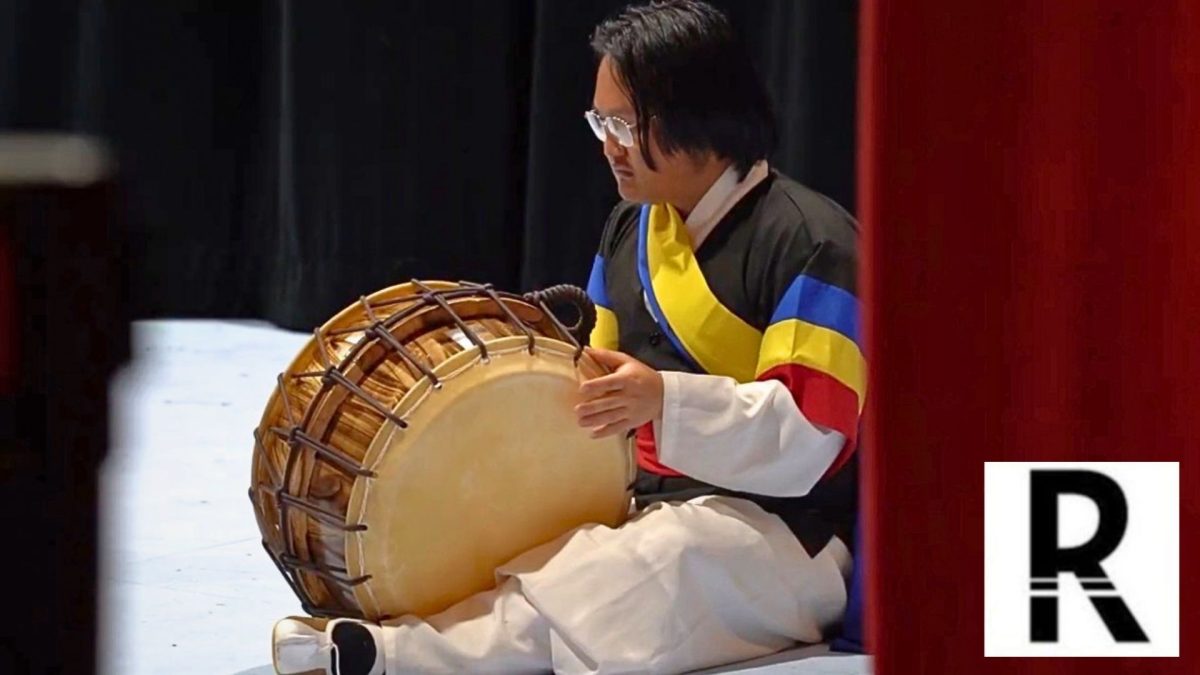
For sophomore Arjun Patel, family plays a large role in how he connects to his Indian culture.
“Whenever we go to Michigan, and then start hanging out with everyone, as [in] everyone in my family, so grandparents, cousins, aunts, uncles, I’d say that’s when I mainly feel the cultural connection,” Patel said.
However, senior Lucia Gonzalez sees a different connection to her culture through her Mexican heritage. “It’s certain holidays and traditions that ties me to [being] Mexican. So, Day of the Dead and food like Rosca de Reyes tie me to my culture.”
INFORMED EXPRESSION
Another part of culture is shared experiences within groups of people.
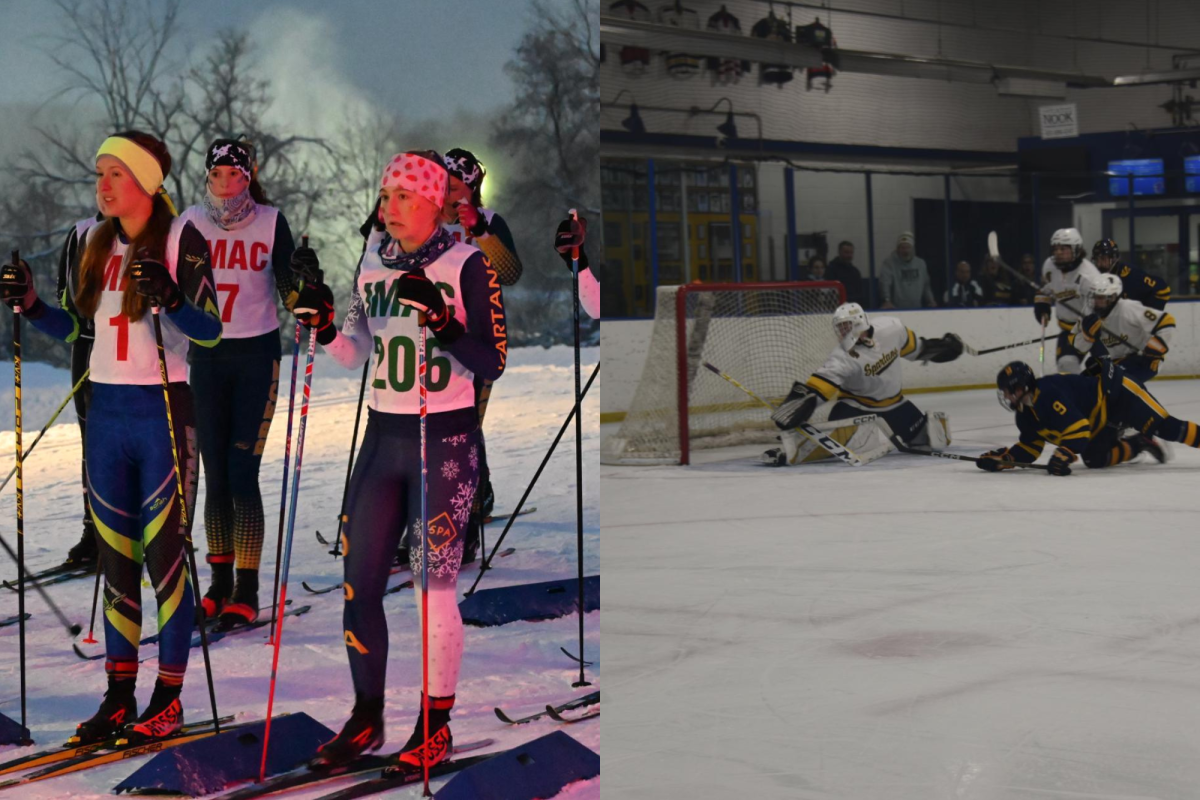
“Getting to be in large groups of people, whether it be here at school or just even Minnesota, is [a] shared experience, in that sense of getting to be in large groups of people who [are] so different, but at the same time, [it] ties everyone back together,” Wainwright said.
Though it may differ for each person, culture manifests in everyday life. Some may see it within their family and friends, some may see it in their actions and beliefs and others may see it in their language and current events.
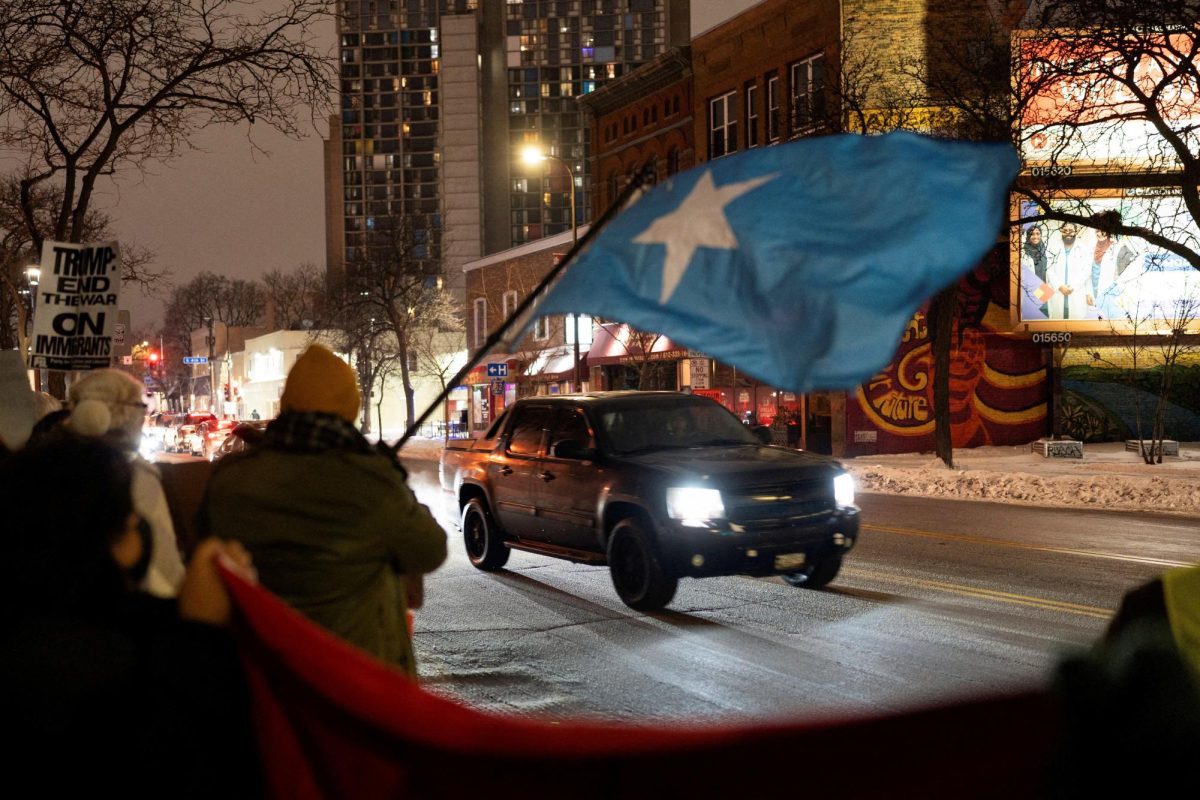
For Gonzalez, her connection to culture has been heightened by current events. “It’s something that me and my family have become a lot more conscious of: to try to not give off certain vibes for our safety,” she said. “And I think that it’s something that the way I look and the language I speak are definitely a lot more in the front of my mind than it would have been a year or two ago.”
Change can happen in culture through travel, location, experiences and personal identity.
For Wainwright, changes in culture can depend on the people who identify with it and their experiences. “I think culture can change over time, because what makes up a culture, and what the culture is defined by, is based on the current people within it and [their] experiences, and as that group changes, so will the culture itself,” she said. “I believe that [culture’s] not just a thing that’s set in stone. I think it’s meant to be fluid and change over time.”
DISCREDITING STEREOTYPES
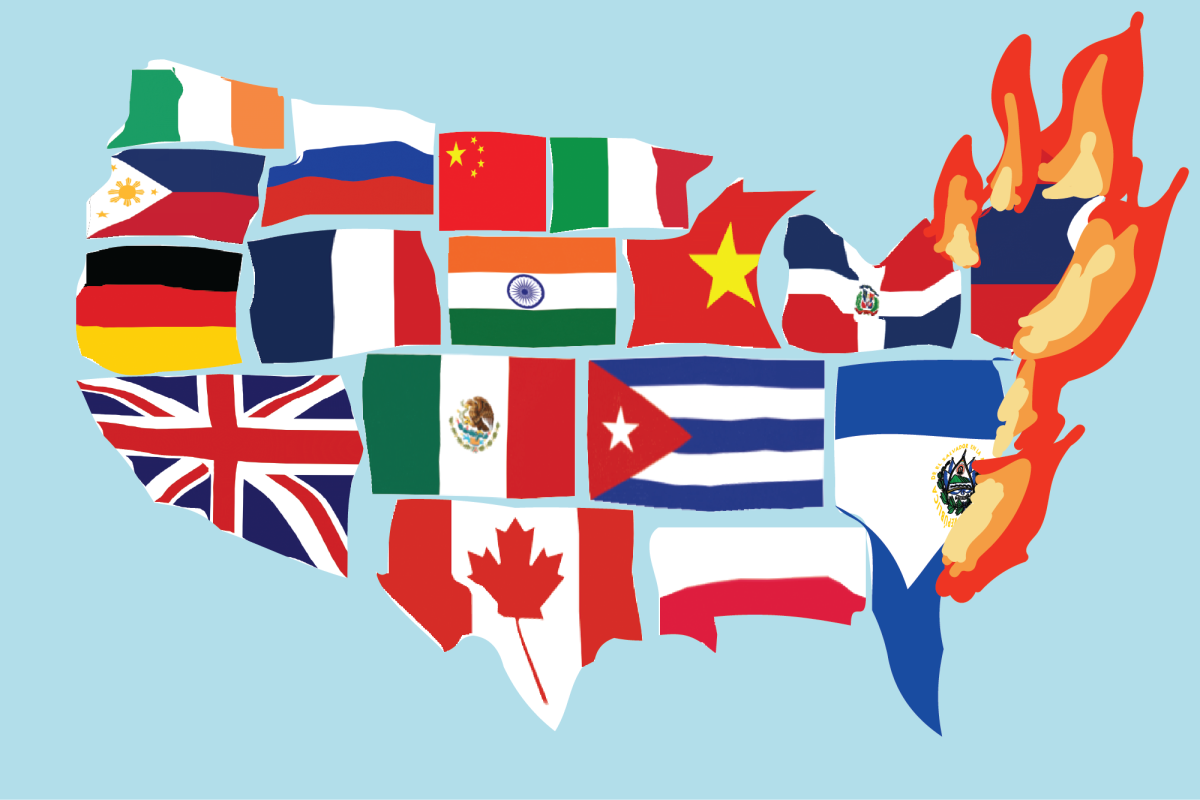
While culture is a broad, diverse and ever-changing concept that connects people through many different ways, misconceptions exist. One main misconception involves the differences between stereotyping and truth. According to a 2000 study by Dr. Geri-Ann Galanti, stereotyping is an “ending point,” because no effort is made to ascertain that a definition or statement is appropriate to identify a person with.
Patel sees misconceptions in the form of stereotypes about cultural diversity when locations are associated with one broad culture.
“I think a major thing is mainly that people kind of categorize India as one country, same religion, same culture, [but] that’s where a ton of different languages, cultures and traditions [exist],” he said.
For each person, culture represents a unique part of them that reflects their daily actions, celebrations, reflections and connections. While people cannot define an individual’s culture, they can define it for themselves. Part of culture is uniqueness and fluidity. That’s what allows it to show up for every individual with their family, at school, during travels and with each other.


