













![CALCULATING THE CHANGES. As study habits have changed, the materials used have changed too. "I remember the day when [my brother] came home with his graphing calculator, [which] had Mario. And I was blown away," Spanish teacher Peter Daniels said. (Photos: Fair Use; Wikimedia Commons)](https://www.rubiconline.com/wp-content/uploads/2026/05/Untitled-design-4-1200x800.png)


































![BEWARE. Junior Maisy Torres was expecting a Nickelodeon ride when she entered the haunted house at the State Fair. What she encountered was much more horrifying. "There's not enough money in the world to pay me to do [it again]," Torres said.](https://www.rubiconline.com/wp-content/uploads/2026/05/Never-again-with-nabeeha-1-e1778077989386-1200x802.png)




![[QUIZ] What famous scientist are you?](https://www.rubiconline.com/wp-content/uploads/2026/01/Untitled-design-3.gif)







Sleep is ubiquitous. Every person on the planet has slept, and had varying degrees of success the night before. Sleep is one of the most important physical necessities, but everybody seems to be deprived of it.
Teenagers are especially susceptible to a lack of sleep, but need on average nine to ten hours per night. Due to extracurricular commitments, adolescents are often limited to going to sleep later in the night. Teens also experience a changing circadian rhythm, which means they get tired in the middle of the day, leading to naps and going to bed late. Usually, kids will try to make up for lost sleep on the weekends, but contrary to popular belief, this just makes a bad sleep schedule worse.
In many cases, students’ sleep schedules are worsened due to busy schedules, leading them to get home and go to sleep extremely late. Most get stuck in a cycle of bad sleep.
“Generally I get about seven hours a night, but sometimes a little less than that,” junior Alex Haupt said. “Sleep is just a thing that I need to come naturally. I have trouble falling asleep … hours earlier than I normally do.”
Sleep ultimately comes down to science. Sleep occurs in five stages: wake, which is the state of being awake. Next are N1, N2 and N3, which are all considered Non Rapid Eye Movement (NREM). And lastly, Rapid Eye Movement (REM). NREM happens once a person just falls asleep, and they’ll typically have decreased muscle and brain activity. REM happens later, and is characterized by dreams and more active brain activity. The combination of REM and NREM create sleep cycles which last approximately 100 minutes and cycle four to six times per night. Each cycle leads to progressively deeper sleep, with NREM taking up 75% of sleep.
The sleep cycle is driven by suprachiasmatic nucleus, a natural clock in the brain that controls circadian rhythms. The circadian rhythm releases hormones and neurotransmitters to keep the body awake or to make it more tired, and is mostly controlled by light perception. When it’s dark, the circadian rhythm produces neurotransmitters to make the body tired, and when it’s light out, chemicals like serotonin and dopamine work to maintain the waking state. This is why a boost in excitement awakens people.
Because of extracurricular commitments, bodily changes, emotional inhibitors and blue light, teens often find themselves with poor sleep hygiene. School can intensify this, but can also positively affect students’ sleep schedules because of a mandatory routine.
Sophomore Nime Snyder manages a consistent schedule throughout the year. “I usually go to bed at 10:30, and then I wake up at 7:20,” he said. School’s early start time coupled with schoolwork and extracurricular activities can lead to students having worsened sleep hygiene.
The importance of sleep is built into the wellness curriculum, although specifics can be difficult since everyone’s bodies require different sleep. Since emotions can be a major inhibiting element of sleep, wellness is often focused around that.
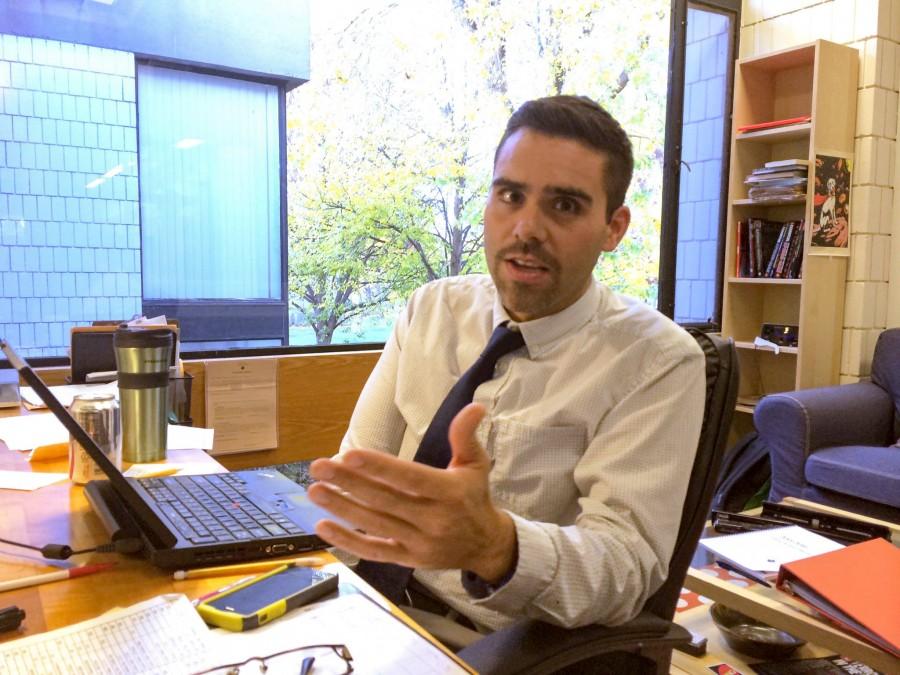
“[We talk about] how we can practice good sleep hygiene, and I talk a lot about how we can reduce some stress and anxiety in our life,” counselor Jake Turnbloom said.
In the ninth-grade physical health and wellness curriculum, the differences are emphasized in creating non-specific sleep education that still offers helpful tactics to go to bed.
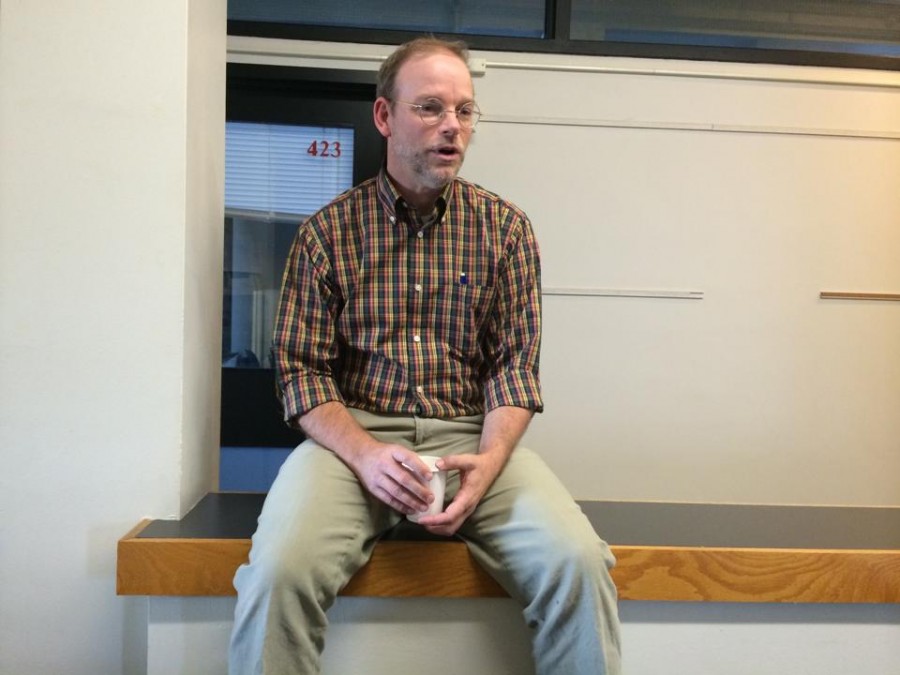
“A lot of self reflection is really important on this topic. So you can kind of find the routine, the patterns that work for yourself and your body,” physical health and wellness teacher Rebecca Bjork said.
Though every body is unique and requires different things regarding sleep, consistency is ever important. Establishing a routine can do wonders for falling asleep and regulating circadian rhythm.
Bjork teaches this to students with examples from her own life. “Creating a small routine for myself at basic training helped a lot. We had 15 minutes to shower and get in bed … and I think my body kind of learned after a while, oh, this is our routine, right before we sleep. And so I eventually was able to fall asleep quicker and actually stay asleep, which I never thought I’d be able to do,” she said.
Routines have unbelievable effects on sleep quality; not just during the night but in waking too. Turnbloom implements his routines into his teaching.
“I want to try to be disciplined in the times I go to bed and the times I get up. I try not to sleep in an hour past when I normally do, stay consistent, move my body, get natural sunlight into my eyes. These are the things that I am focusing on personally to try to create healthy sleep,” he said.
Sleep has a profound impact on every aspect of life. With less sleep, bodies are more susceptible to viruses, brain function decreases making people groggy and less capable, and physical capabilities decrease as well. With consistent sleep, the ability to perform at one’s best skyrockets.
For students especially, it’s extremely difficult but essential to get good sleep. The most important thing to remember is consistency and wellbeing. A more consistent sleep schedule will help with not only falling asleep, but staying asleep and staying awake during the day. Focusing on wellbeing will remove sleep inhibitors, physically and emotionally, and lead to a more balanced sleep routine. Sleep is all around, but it shouldn’t get in the way of day to day activities.
Prioritize sleep.
Why aren’t students getting sleep?
(by grade level)