


![CALCULATING THE CHANGES. As study habits have changed, the materials used have changed too. "I remember the day when [my brother] came home with his graphing calculator, [which] had Mario. And I was blown away," Spanish teacher Peter Daniels said. (Photos: Fair Use; Wikimedia Commons)](https://www.rubiconline.com/wp-content/uploads/2026/05/Untitled-design-4-1200x800.png)

































![BEWARE. Junior Maisy Torres was expecting a Nickelodeon ride when she entered the haunted house at the State Fair. What she encountered was much more horrifying. "There's not enough money in the world to pay me to do [it again]," Torres said.](https://www.rubiconline.com/wp-content/uploads/2026/05/Never-again-with-nabeeha-1-e1778077989386-1200x802.png)


![[QUIZ] What famous scientist are you?](https://www.rubiconline.com/wp-content/uploads/2026/01/Untitled-design-3.gif)

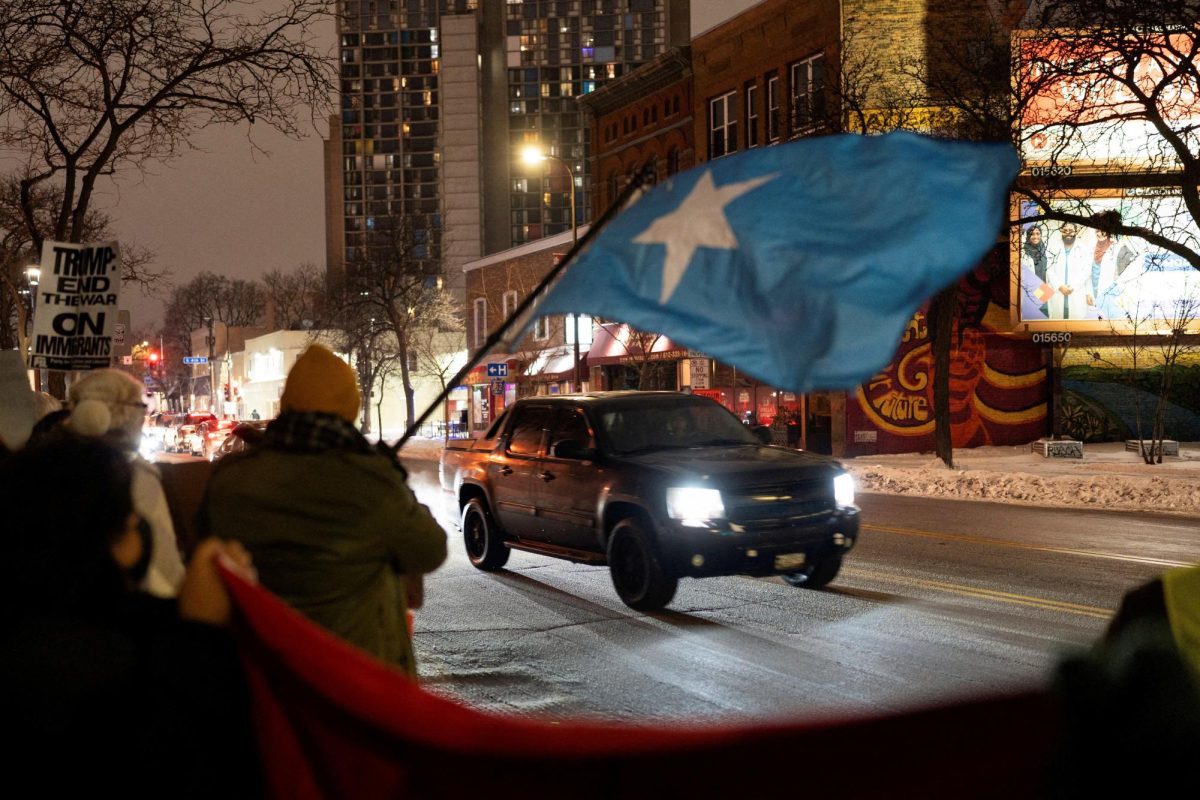





“Can he really say that?”
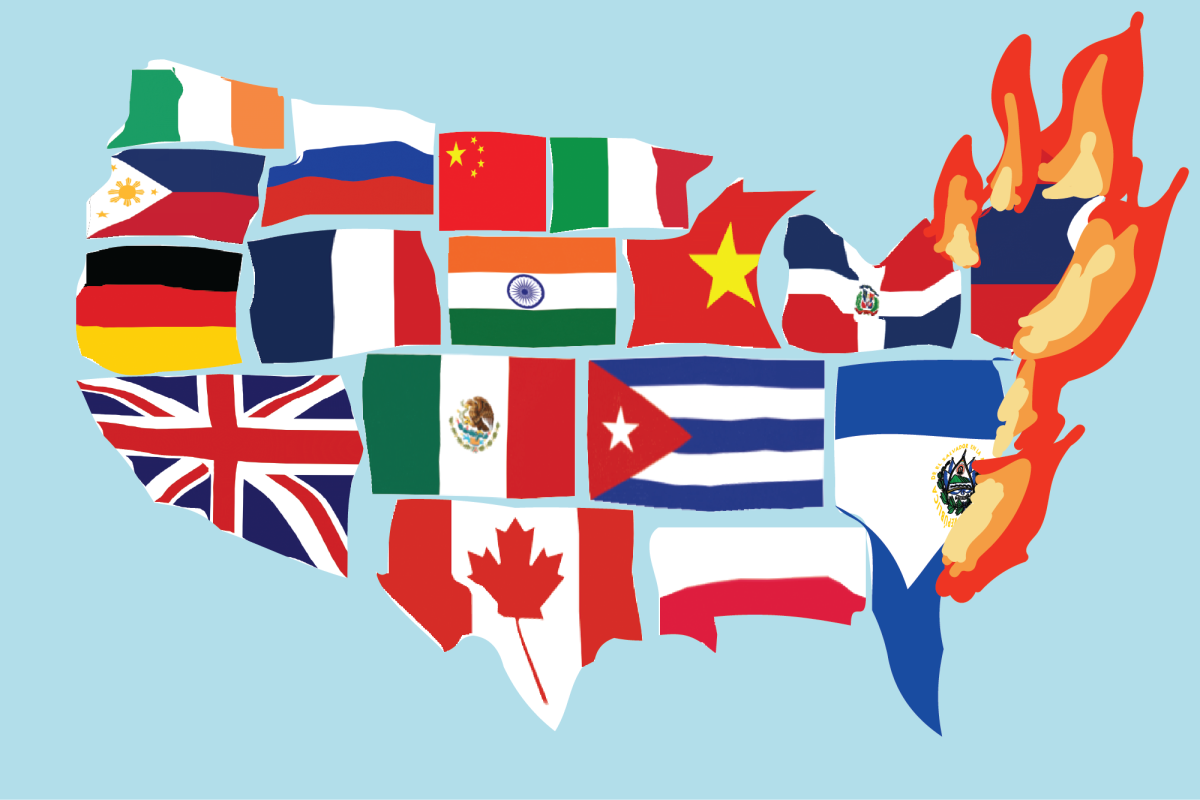
Many asked this question after President Donald Trump described Somali immigrants as “garbage” during a Dec. 2 press conference and declared, “Their country is no good for a reason. Your country stinks and we don’t want them in our country.”
These comments, while hateful and offensive, are constitutionally protected. The Supreme Court has repeatedly ruled that hate speech falls under the purview of the First Amendment and cannot be suppressed or limited by the government, except in cases that will cause “imminent lawless action.”
From protestors’ freedom to object to homosexuality at a military funeral to a Nazi group’s right to march through a predominantly-Jewish Illinois town, the Supreme Court has defined provocative symbols of expression as central to the American tradition of free speech. One close-to-home example occurred in St. Paul in 1992, when a white teenager was charged with violating the city’s Bias-Motivated Crime Ordinance for burning a cross in the yard of a Black family. The Supreme Court ruled the ordinance unconstitutional for infringing on the perpetrator’s First Amendment rights.
At first glance, one might think that any effort to restrict obscene forms of expression would be welcome. However, without a formal or legal definition, beliefs about what qualifies as hate speech differ widely. Empowering the government to regulate speech or expression would allow elected officials to brand any content they disagree with as “hateful.” Paradoxically, limiting hate speech could permit restrictions on any contentious or critical speech.
Trump is no stranger to turning heads with controversial statements, such as calling a reporter “piggy” and falsely claiming that immigrants in Springfield, Ohio, were eating dogs and cats. Although he cannot face legal or constitutional repercussions for these comments, there should be political consequences. Preserving the First Amendment must not interfere with holding elected officials to a high standard, or even the most basic expectation of treating people with dignity and respect — yet these social norms for a president have seemingly vanished.
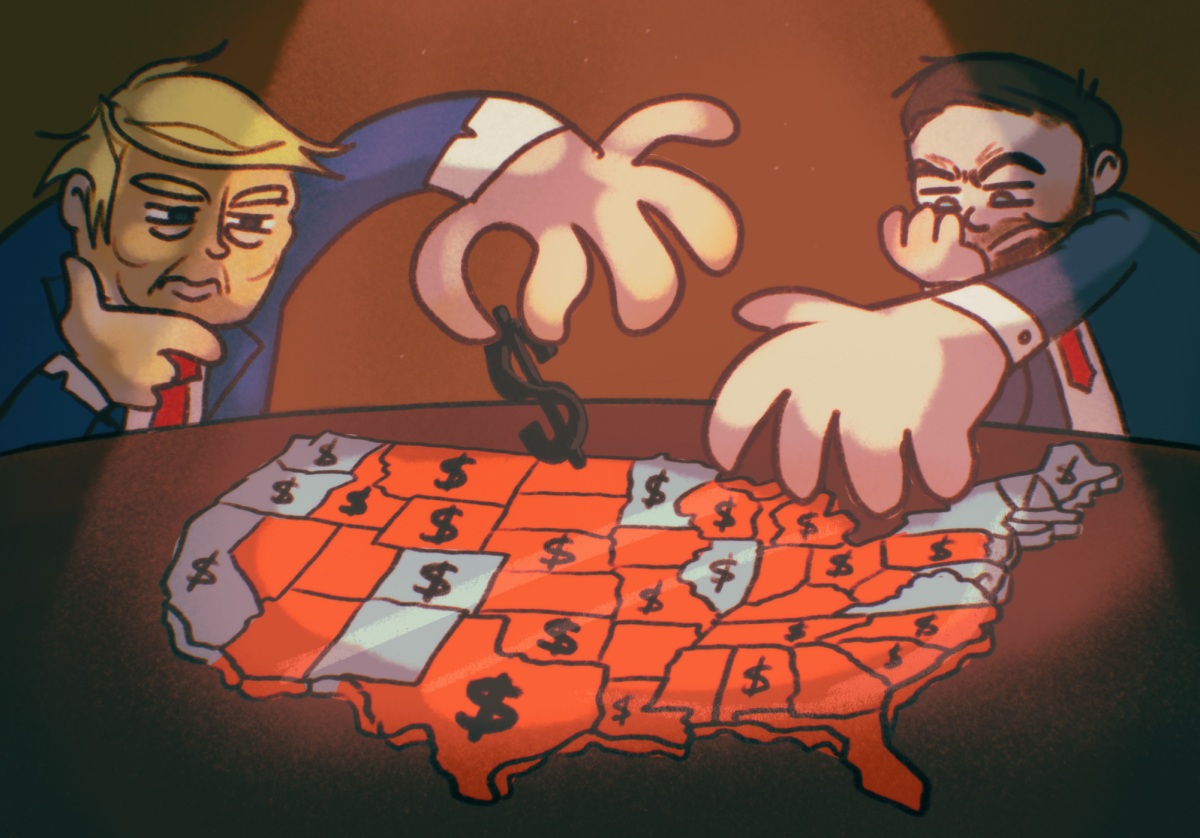
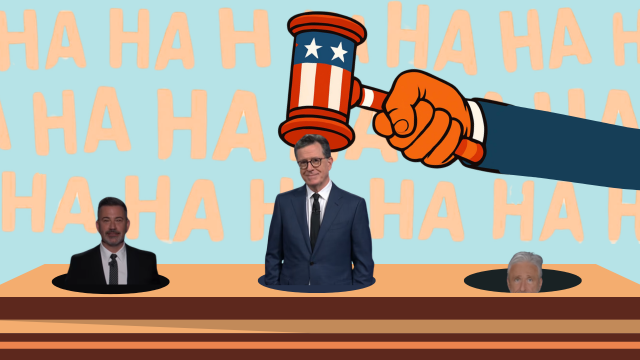
At the same time, Trump campaigned on a dislike for the media and has since waged war on the First Amendment. He has cut funding from universities over students’ protest activities; his administration pushed for comedian Jimmy Kimmel’s suspension from the air. Despite enjoying all the protections of the First Amendment, the president cannot bear to see it enforced for viewpoints he opposes.
As much as free expression is a cornerstone of American identity, so too is the freedom to disagree. The problem is that Trump has largely avoided ramifications for his derogatory and hostile language. With the exception of Minnesota Sen. Jim Abeler, Republican lawmakers have mostly avoided commenting on his recent attacks on the Somali community. U.S. Rep. Tom Emmer, the House Majority Whip, went as far as to say that “80% of the crimes being committed in the Twin Cities Minnesota are being committed by Somalis.” There are no data to support this claim.
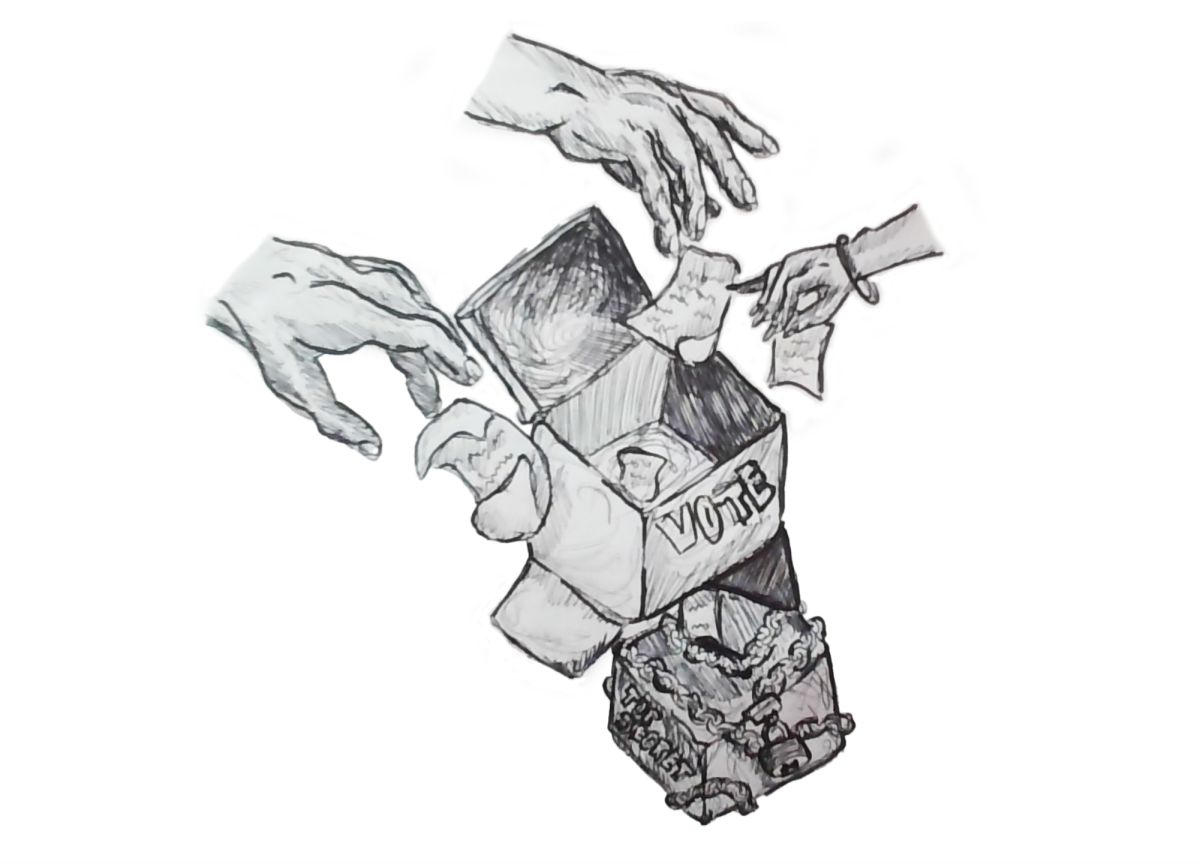
Furthermore, the Court’s “imminent lawless action” test for restrictions on hate speech is vague and open to interpretation — what if Trump and Emmer’s comments about Somalis spur violence? We cannot wait for Trump or other politicians’ words to push someone over the edge and engage in lawless activity. We must hold elected officials accountable for their words — not through censorship, but by voting and using the avenues the First Amendment protects: peaceful protest, petition and the press.
In Trump’s America, the president can say or post almost anything. The question is not, “Can he say that?” — it is, “How will the American people respond?”