






![CALCULATING THE CHANGES. As study habits have changed, the materials used have changed too. "I remember the day when [my brother] came home with his graphing calculator, [which] had Mario. And I was blown away," Spanish teacher Peter Daniels said. (Photos: Fair Use; Wikimedia Commons)](https://www.rubiconline.com/wp-content/uploads/2026/05/Untitled-design-4-1200x800.png)



























![BEWARE. Junior Maisy Torres was expecting a Nickelodeon ride when she entered the haunted house at the State Fair. What she encountered was much more horrifying. "There's not enough money in the world to pay me to do [it again]," Torres said.](https://www.rubiconline.com/wp-content/uploads/2026/05/Never-again-with-nabeeha-1-e1778077989386-1200x802.png)


![[QUIZ] What famous scientist are you?](https://www.rubiconline.com/wp-content/uploads/2026/01/Untitled-design-3.gif)
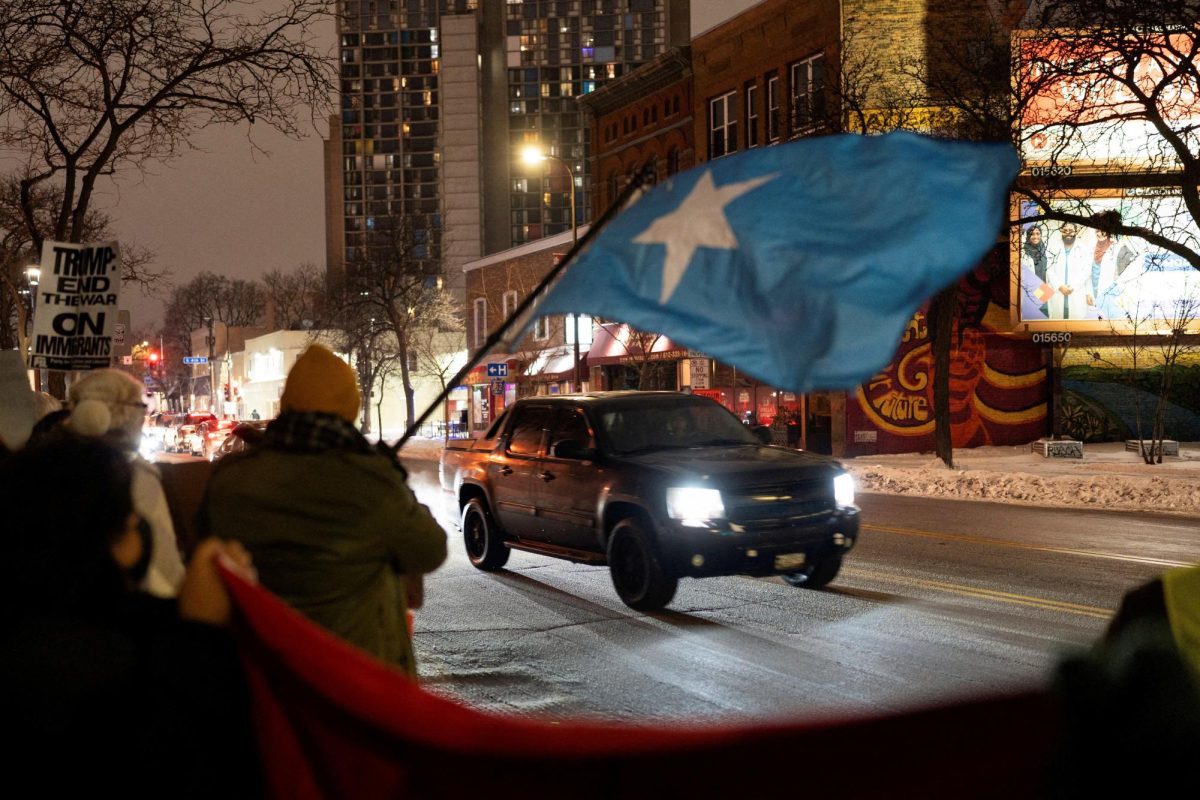




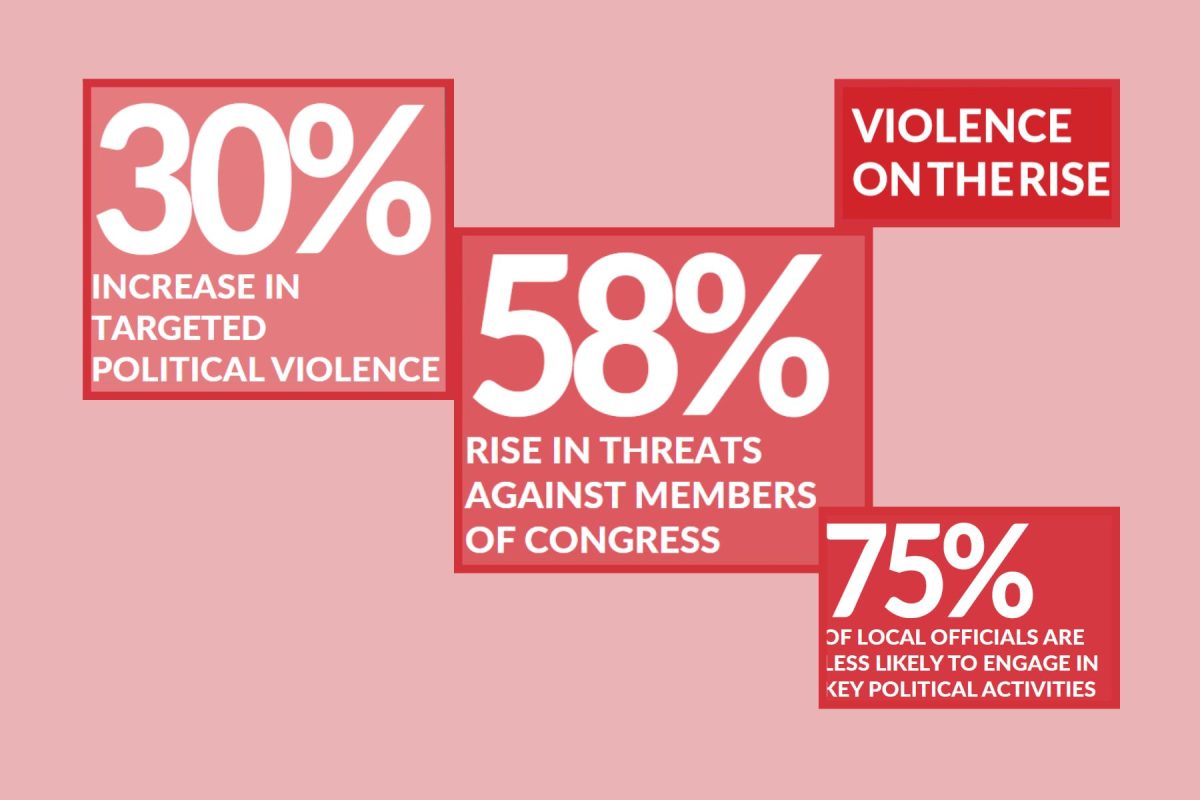
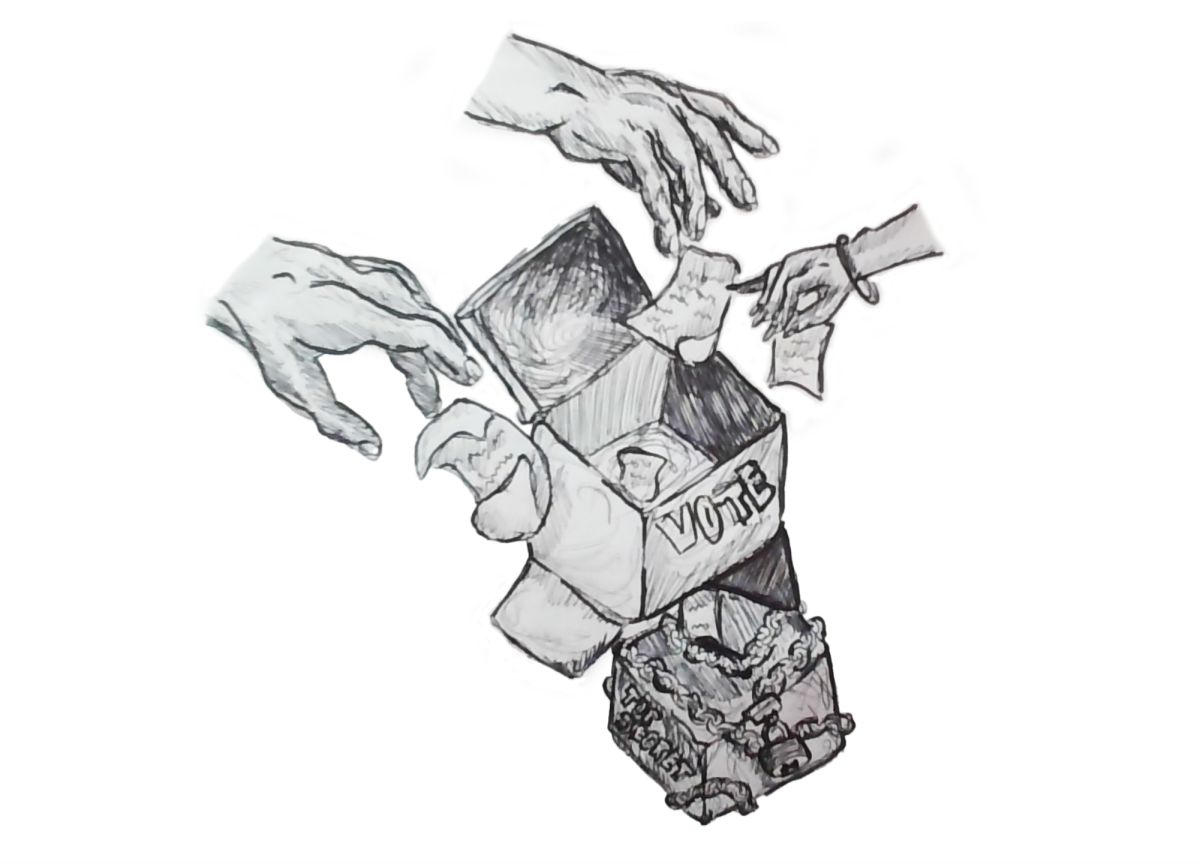
When entering the public sphere as a politician, judgments and scrutiny are expected; violence and concerns of personal safety should not be.
After increasing incidents of political violence on a federal level, threats of that kind have only been exacerbated. Violence has worsened against Minnesotan politicians, particularly after the assassination of House Speaker Emerita Melissa Hortman and shooting of Sen. John Hoffman on June 14, 2025. According to MinnPost, even after Hoffman’s assassination attempt, he continues to receive threatening messages.
Maple Grove Rep. Kristin Baher spoke about how posts on social media have encouraged Minnesotans to take up arms and protest outside of her home, including a post depicting a gun pointed at her head. Minnesota House Speaker Lisa Demuth had to file a restraining order against a woman who left a voicemail saying she wanted to see Demuth “fall at the end of a barrel,” according to the St. Cloud Times.
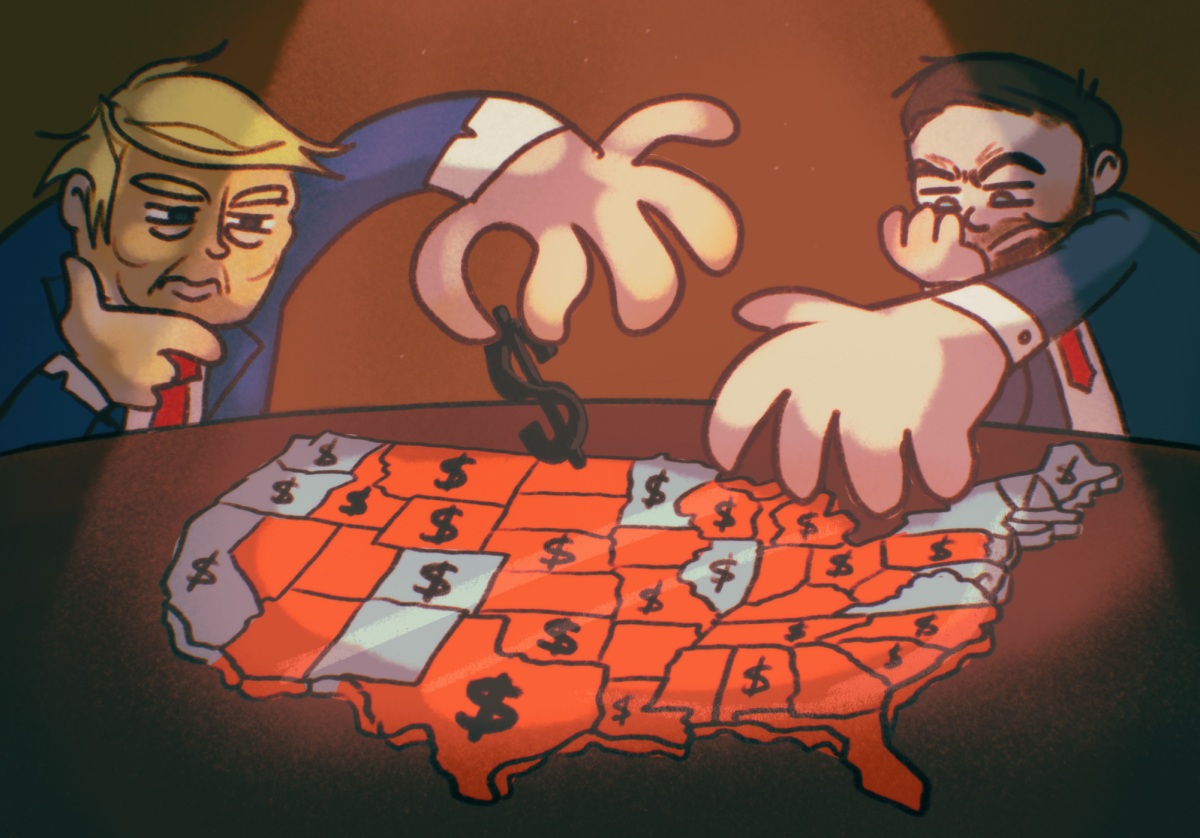
Using the fear that political figures feel for their families and the fear constituents have for the people who represent them to promote other politicians’ ideologies is a disgusting utilization of democracy. Using political violence as a crutch for another politician’s campaign is amoral and should be treated as such.
The normalization of political violence creates an association of fear and brutality with democracy. No matter party affiliation, the creation of this environment delegitimizes the democracy Minnesota aspires to be.
The escalation of threats against Minnesotan politicians cannot simply be pushed aside as this increase in political violence allows for the weaponization of fear.
In an interview with the New York Times, Dartmouth College professor Sean Westwood, who tracks political violence and its perception in America, noted that “After the assassination of Charlie Kirk, Trump argued for the suppression of civil liberties, arguing for the termination of university faculty, arguing for suppression of speech. And that message resonated among Americans.”
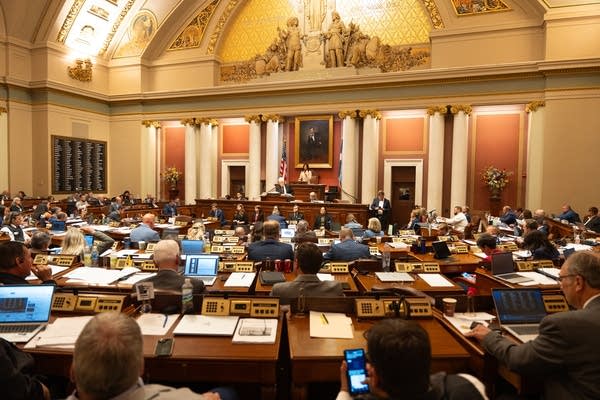
Still, the issue of political violence remains. Violent threats against politicians should be treated as the serious and reprehensible acts that they are, and the weaponization of actual violent attacks should never occur. If individuals impassioned to run for office do not do so because they are afraid of violent threats, Minnesota loses.
Threats of violence are not empty, as seen through the tragic loss and targeting of important Minnesota legislative figures. Hoffman’s bill to create a unit to protect Minnesota lawmakers is imperative and will create necessary change that will impact the political landscape for years to come.