











![CALCULATING THE CHANGES. As study habits have changed, the materials used have changed too. "I remember the day when [my brother] came home with his graphing calculator, [which] had Mario. And I was blown away," Spanish teacher Peter Daniels said. (Photos: Fair Use; Wikimedia Commons)](https://www.rubiconline.com/wp-content/uploads/2026/05/Untitled-design-4-1200x800.png)








































![BEWARE. Junior Maisy Torres was expecting a Nickelodeon ride when she entered the haunted house at the State Fair. What she encountered was much more horrifying. "There's not enough money in the world to pay me to do [it again]," Torres said.](https://www.rubiconline.com/wp-content/uploads/2026/05/Never-again-with-nabeeha-1-e1778077989386-1200x802.png)




![[QUIZ] What famous scientist are you?](https://www.rubiconline.com/wp-content/uploads/2026/01/Untitled-design-3.gif)






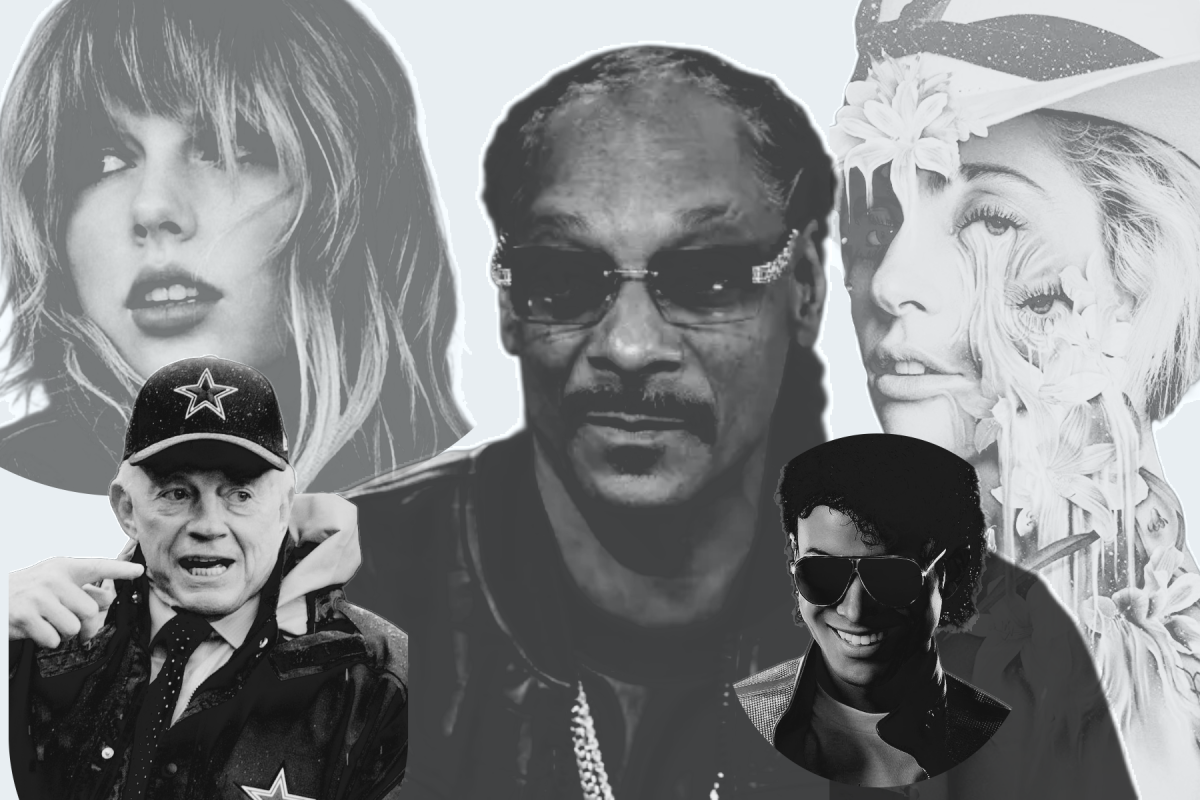
Musical biographical films and documentaries provide audiences with viewing pleasure, yet they create lasting changes in how people across generations remember celebrities.
People have started online debates about the forthcoming Michael Jackson biographical movie, “Michael,” to determine whether the film shows true artistic respect for its subjects or exists solely to make money off their celebrity status. Young people in the digital age use TikTok clips and streaming platforms to discover celebrities, as these platforms and viral discussions create pathways for films to shape how people view them. Some audiences see these productions as tributes that help maintain an artist’s legacy, while other people perceive these works as commercial products. The work serves three functions, which include commercial purposes and celebrity image protection and financial revenue generation.
Supporters of films like “Michael” argue that biopics help preserve the influence of important artists for newer generations. Many fans believe that telling Jackson’s story through film celebrates his musical achievements, groundbreaking performances and impact on global pop culture. Jackson transformed music videos into cinematic experiences and became one of the most recognizable entertainers in history.
Documentaries and biopics serve as educational tools that show younger audiences his work while demonstrating his ongoing impact on contemporary musicianship. From this perspective, these films act as tributes that keep an artist’s cultural importance alive long after their death.
However, critics point out that most music biopics are driven by commercial motives rather than portraying authentic historical events. Production companies need to safeguard an artist’s public image because celebrity estates give permission for them to use music, images and life stories of the artist. Critics of “Michael” question whether the film will present all the controversies of Jackson’s life or an idealized version that will attract more financial support from the audience. Entertainment critics have also argued that music biopics frequently simplify complicated public figures into inspirational brands because positive portrayals attract larger audiences and stronger ticket sales and increased streaming numbers.
The divide between fans and critics becomes most evident when they examine the specific elements these films choose to show or omit. Fans believe that documentaries concentrate too much on controversial issues while they disregard artistic achievements, but critics state that some biopics avoid showing the truth because it would damage their commercial appeal. The way people choose to present their stories will strongly influence how the public will remember their events.
A film has the power to transform a complicated person into either a flawless icon or a scandal-driven figure, depending on which details filmmakers emphasize. The audience of the movie believes all content shown on screen represents actual facts because they fail to research anything beyond the film.
The filmmaking process itself determines how the public views a movie. Many music documentaries and biopics use archival footage alongside interviews and materials approved by the estate and they select certain viewpoints. Filmmakers use their authority to decide which voices they want to show and which voices they want to hide from the audience. If a production focuses only on achievements and emotional moments while minimizing criticism, the final product can feel more like a curated tribute than a complete biography. Documentaries that emphasize controversy create incomplete portrayals of artists because they neglect to show their cultural contributions. The filmmakers in both situations control how viewers will feel about the famous person.
The problem becomes more crucial for younger viewers who spend their entire time watching digital material. Social media platforms enable the fast distribution of movie clips, interviews, edits and personal views, which creates difficulties for people trying to distinguish between entertainment content and real historical information. A biopic or documentary serves as the primary way for most teenagers and young adults to be introduced to celebrities they have never seen in real life. The public perception of a person can be shaped by films, which can provide a stronger influence than the person’s actual artistic work and historical documentation.
Ultimately, the space between tribute and business that musician biopics and documentaries operate exists midway between these two functions. The “Michael” film actually honors an artist’s impact while it delivers significant financial gains to studios, streaming services and celebrity estates. The problem with these productions rests not on their ability to generate revenue but on the audience’s misunderstanding of which parts of their content represent actual reality. Viewers should approach these films thoughtfully by considering who created the project, which perspectives are included and what information has been omitted. In the present day, the media functions as a primary tool for molding public perception. Knowing this, people need to understand how celebrities are depicted in the media, which affects their understanding of actual news events.