






![CALCULATING THE CHANGES. As study habits have changed, the materials used have changed too. "I remember the day when [my brother] came home with his graphing calculator, [which] had Mario. And I was blown away," Spanish teacher Peter Daniels said. (Photos: Fair Use; Wikimedia Commons)](https://www.rubiconline.com/wp-content/uploads/2026/05/Untitled-design-4-1200x800.png)






























![BEWARE. Junior Maisy Torres was expecting a Nickelodeon ride when she entered the haunted house at the State Fair. What she encountered was much more horrifying. "There's not enough money in the world to pay me to do [it again]," Torres said.](https://www.rubiconline.com/wp-content/uploads/2026/05/Never-again-with-nabeeha-1-e1778077989386-1200x802.png)




![[QUIZ] What famous scientist are you?](https://www.rubiconline.com/wp-content/uploads/2026/01/Untitled-design-3.gif)

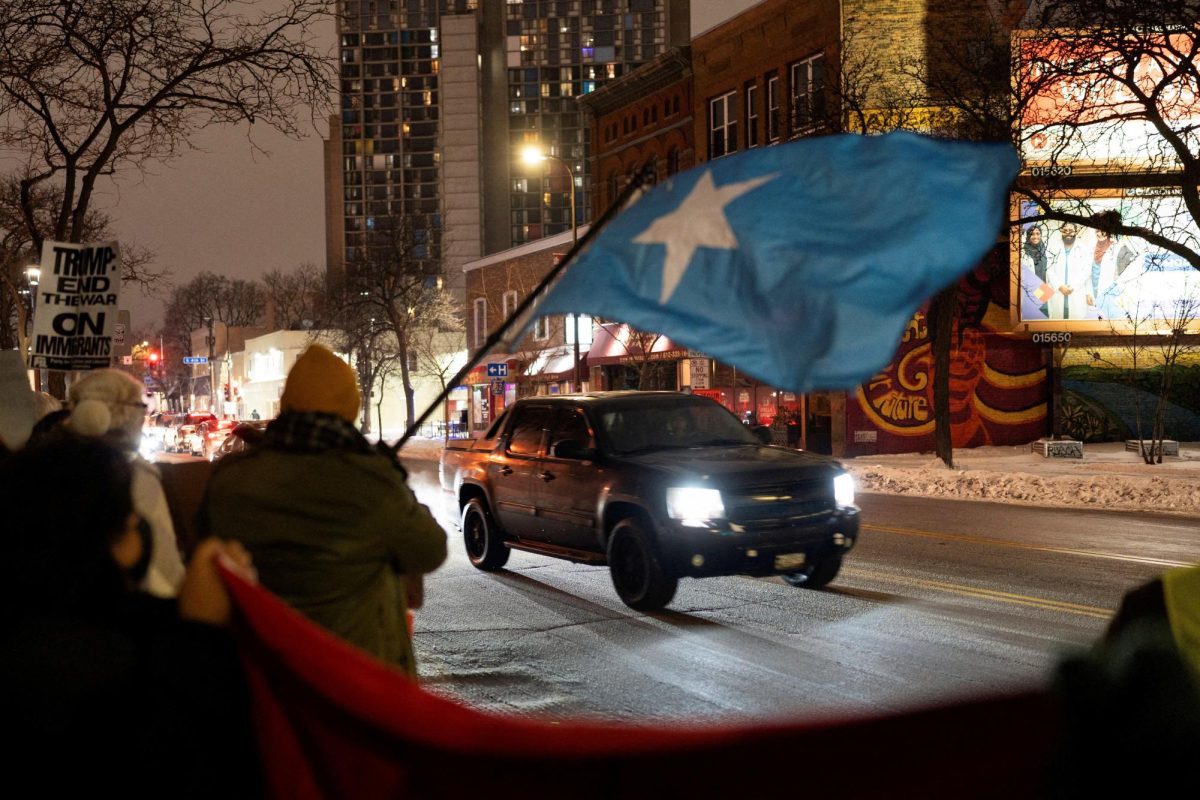




Rep. Melissa Hortman’s assassination, the shooting of Sen. John Hoffman, the shooting at Annunciation Catholic School and Church and Operation Metro Surge are major events that have impacted Minnesotans everywhere.
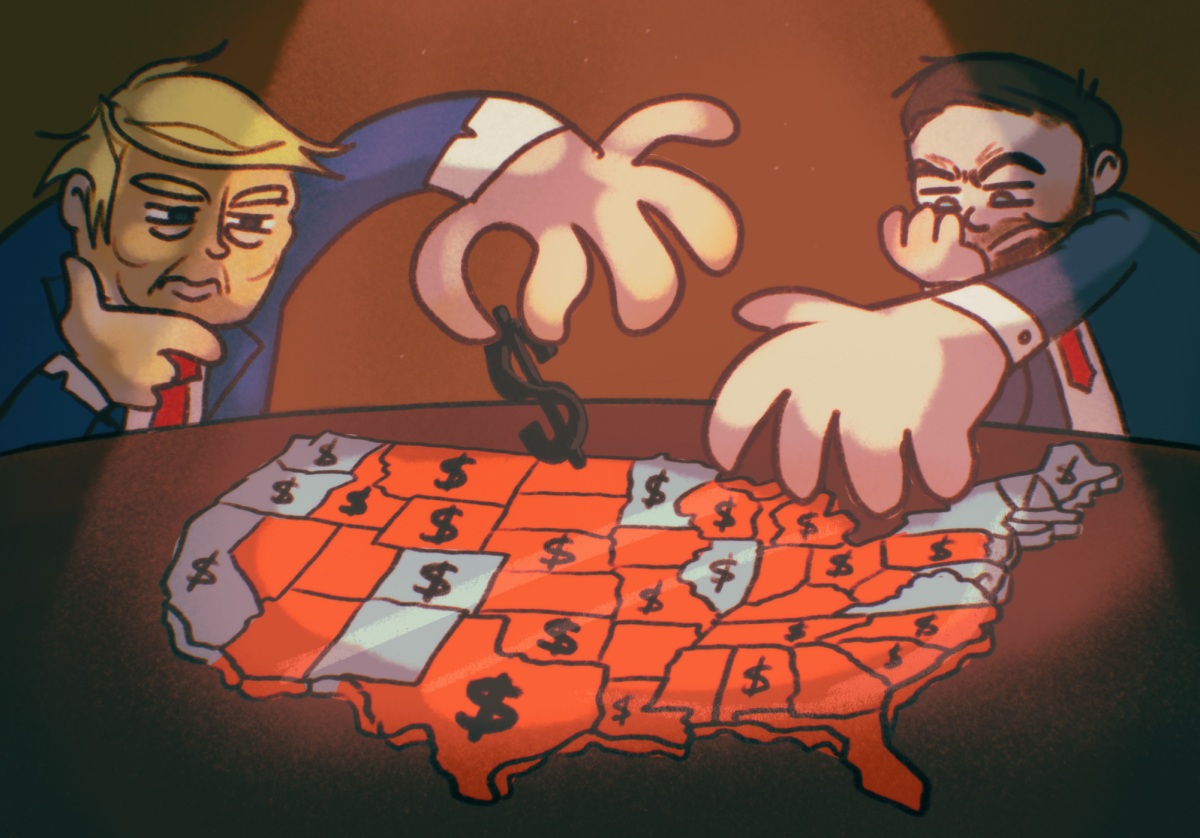
Even as Minnesotans make their voices heard and are clear about the kind of state they want to see through protests and calling their representatives, Democrats and Republicans remain static. They have not listened to the citizens they claim to represent; instead, they follow the increasing political polarization. Political polarization refers to the divergence of political attitudes towards extremes of both parties, and treat the other party as opposition.
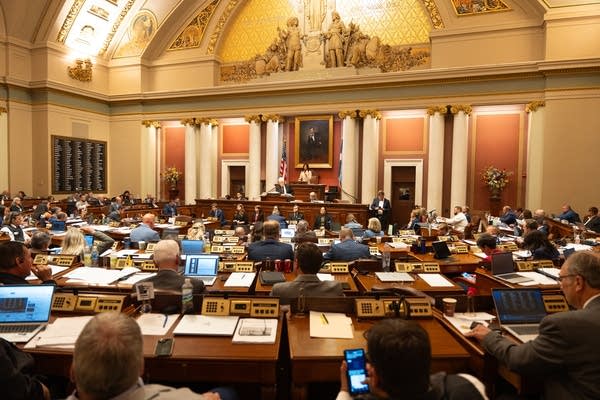
On Feb. 17, the Legislature convened for the 2026 legislative session. Both the Senate and House are divided fairly evenly: the House is split 67-67, while in the Senate, the Republican Party has 33 seats to the DFL’s 34. With such a close divide in both chambers, bipartisanship and working across party lines is clearly necessary.
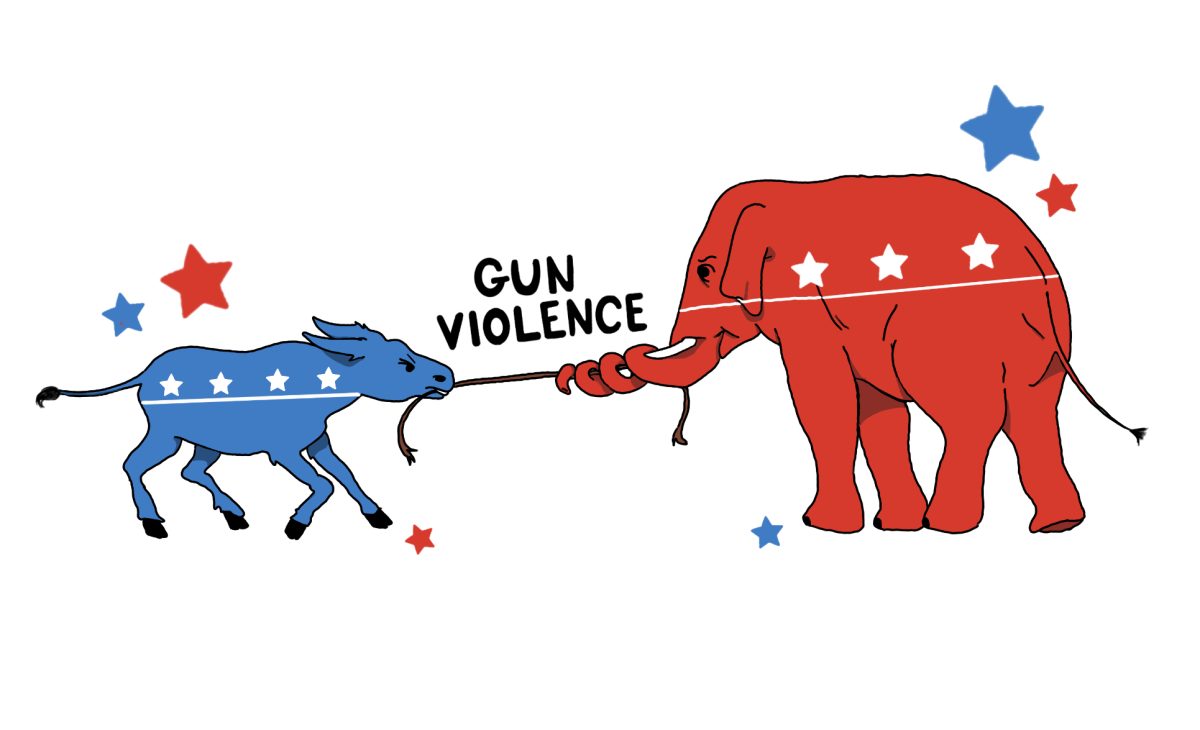
The shootings of lawmakers and children in the past year have prompted gun control to become a central and divisive issue in the 2026 legislative session.
However, to date legislators have failed to recognize how much gun violence has hurt Minnesota and how Minnesotans have rallied together in support of a ban on assault weapons. In early September, hundreds of people rallied at the State Capitol calling for gun reform. This was six months ago, yet no long-term action for students to feel safer in schools has been taken.
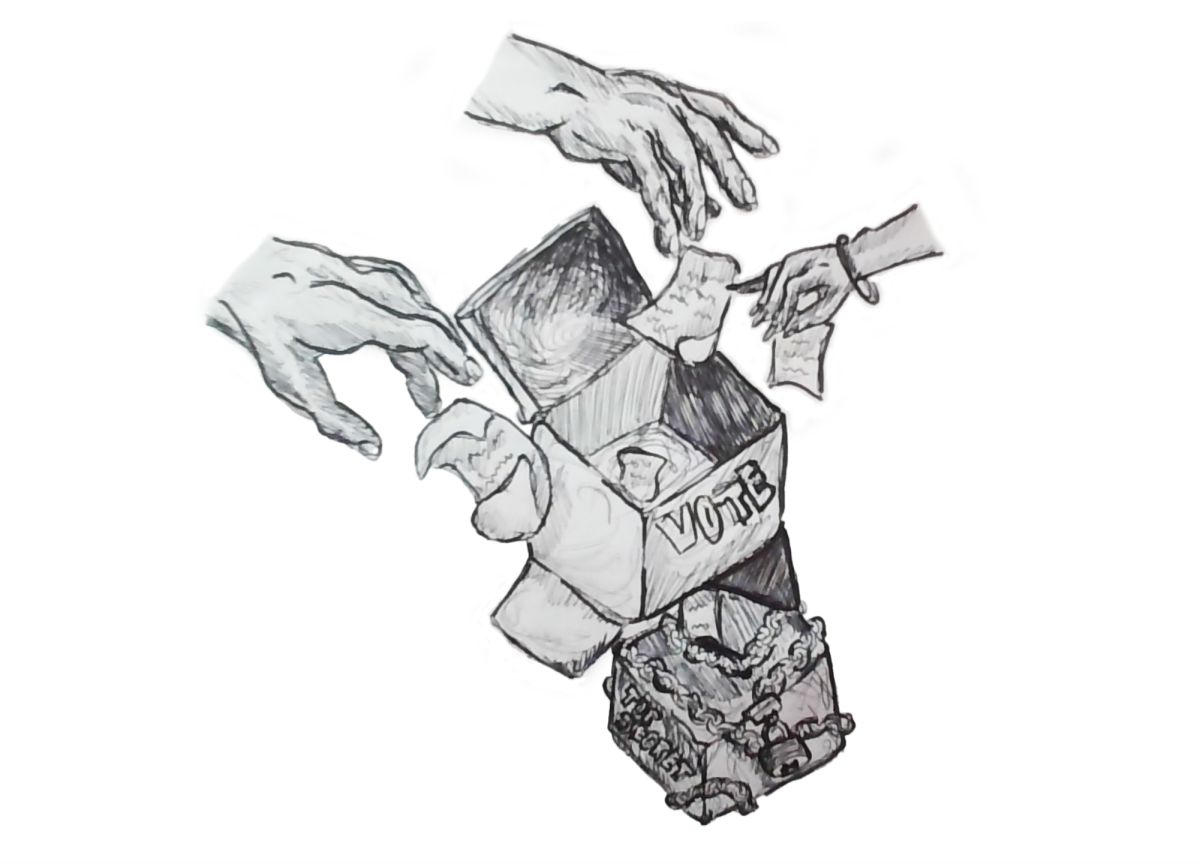
Even though there is a critical opportunity in this moment for legislation to enact meaningful change surrounding gun violence, polarization is preventing that action. On March 26, House Republicans all voted against legislation to ban assault weapons and high-capacity magazines.
Their voting in lockstep only proves the polarization riddling Minnesota legislation. Even though, according to a December 2025 poll by Lumaris, 79% of residents in Twin Cities suburbs support banning assault-style weapons, every Republican representative voted against this measure.
The Senate DFL has also developed a broad bill that tackles many issues Minnesotans had with Operation Metro Surge. Since this bill is a broad package, the bill does not need as many votes on the floor. Even though a Lumaris poll found 59% of Minnesotans think that Operation Metro Surge made the state less safe, the inability to reach across party lines makes the possibility of a bill that would keep many Minnesotan citizens safe, very unlikely.
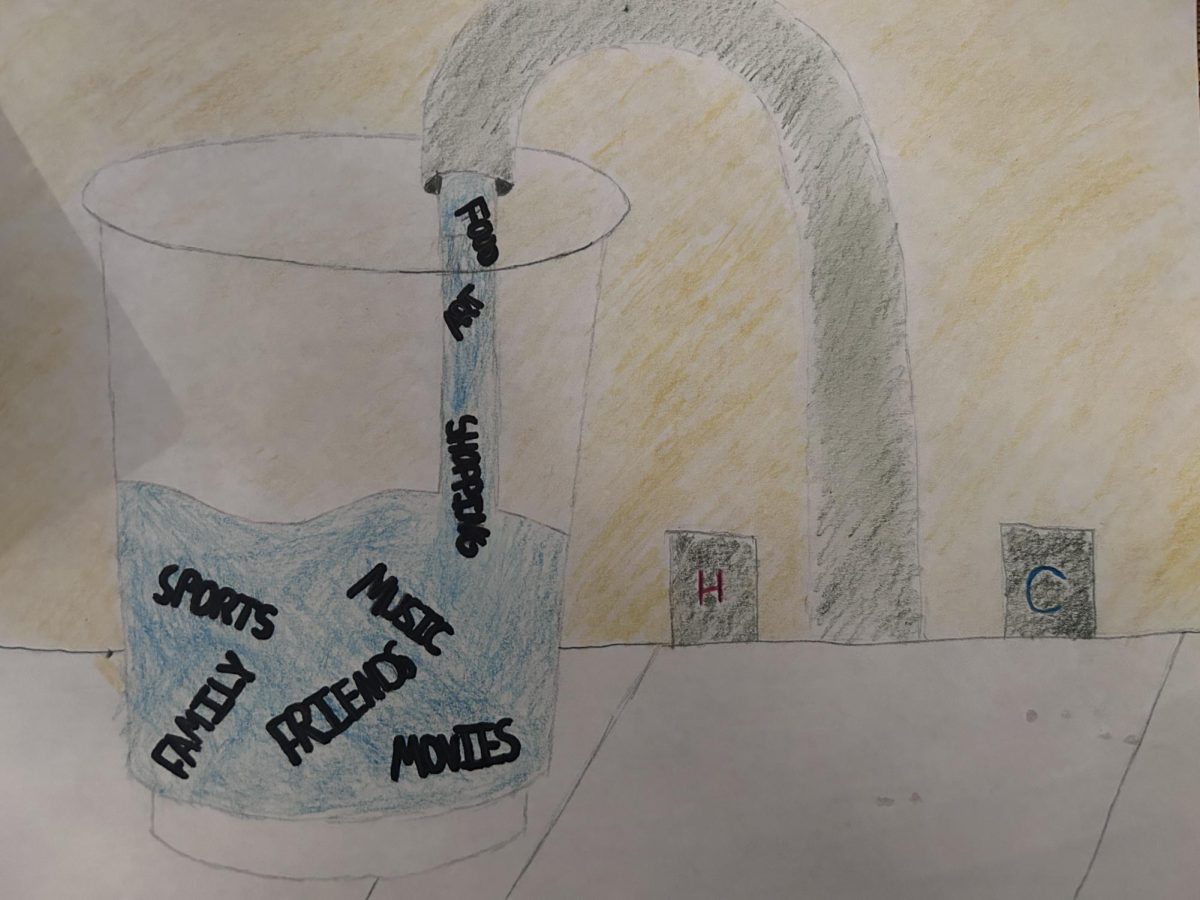
Belief polarization is to blame for much of the persistent disagreement. Belief polarization is a concept in which people associate only with others who already share their same ideas, inadvertently becoming more extreme versions of themselves. This phenomenon also leads to hatred toward those with different beliefs.
After months of stalling on important issues, this session needs to be a time when the Legislature delivers concrete long-term solutions to problems affecting the state. This lack of follow-through in a state where residents are fighting tooth and nail to be heard is a disheartening reflection of the legislative system.
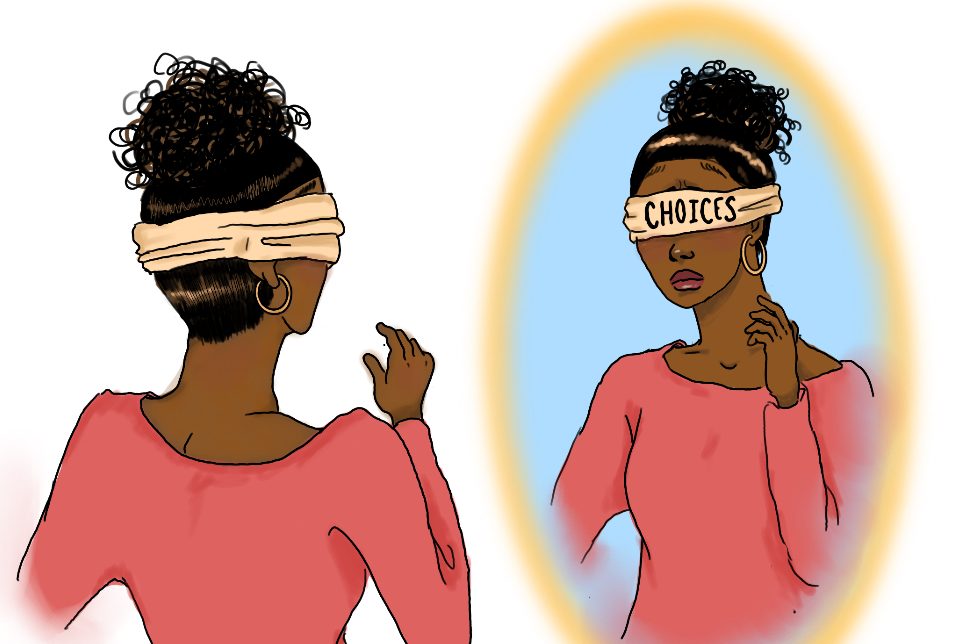
Before the 2026 legislative session wraps up, both the House and the Senate must make the choices that make Minnesota safer for its citizens, not simply conforming to the polarization of the two parties.