







![CALCULATING THE CHANGES. As study habits have changed, the materials used have changed too. "I remember the day when [my brother] came home with his graphing calculator, [which] had Mario. And I was blown away," Spanish teacher Peter Daniels said. (Photos: Fair Use; Wikimedia Commons)](https://www.rubiconline.com/wp-content/uploads/2026/05/Untitled-design-4-1200x800.png)



































![BEWARE. Junior Maisy Torres was expecting a Nickelodeon ride when she entered the haunted house at the State Fair. What she encountered was much more horrifying. "There's not enough money in the world to pay me to do [it again]," Torres said.](https://www.rubiconline.com/wp-content/uploads/2026/05/Never-again-with-nabeeha-1-e1778077989386-1200x802.png)




![[QUIZ] What famous scientist are you?](https://www.rubiconline.com/wp-content/uploads/2026/01/Untitled-design-3.gif)

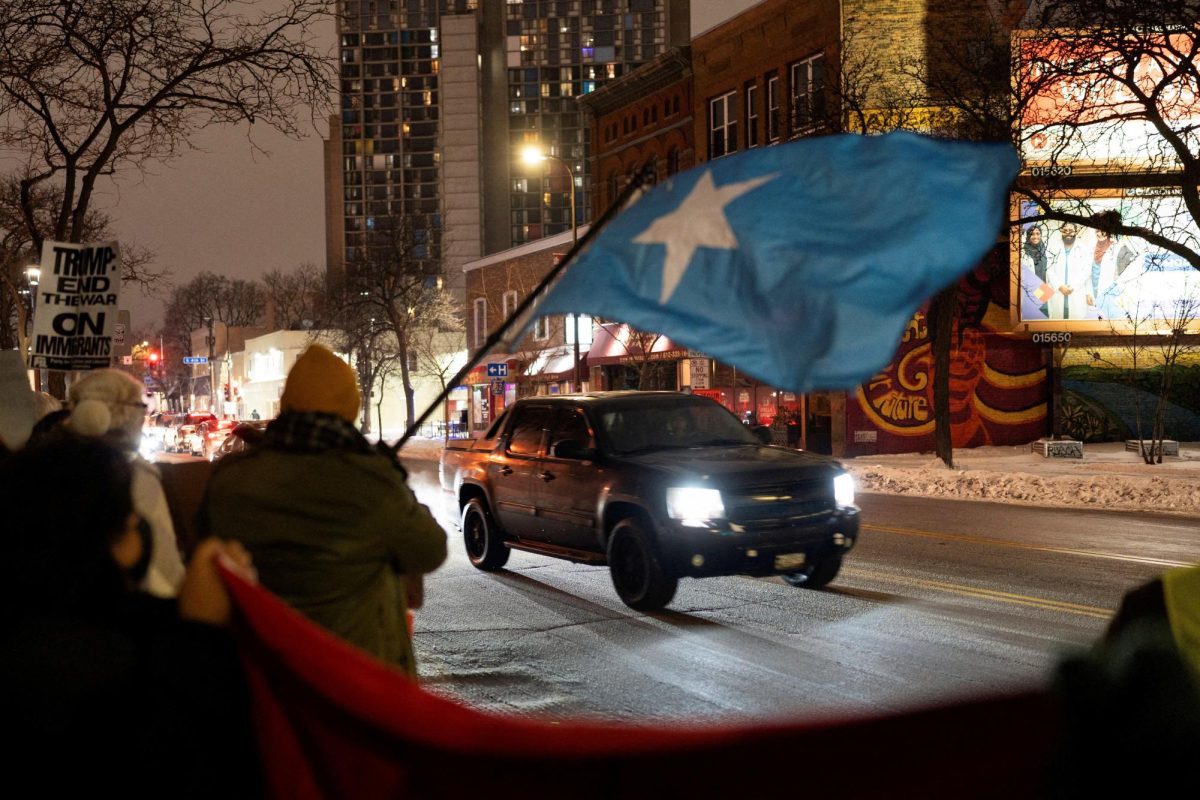




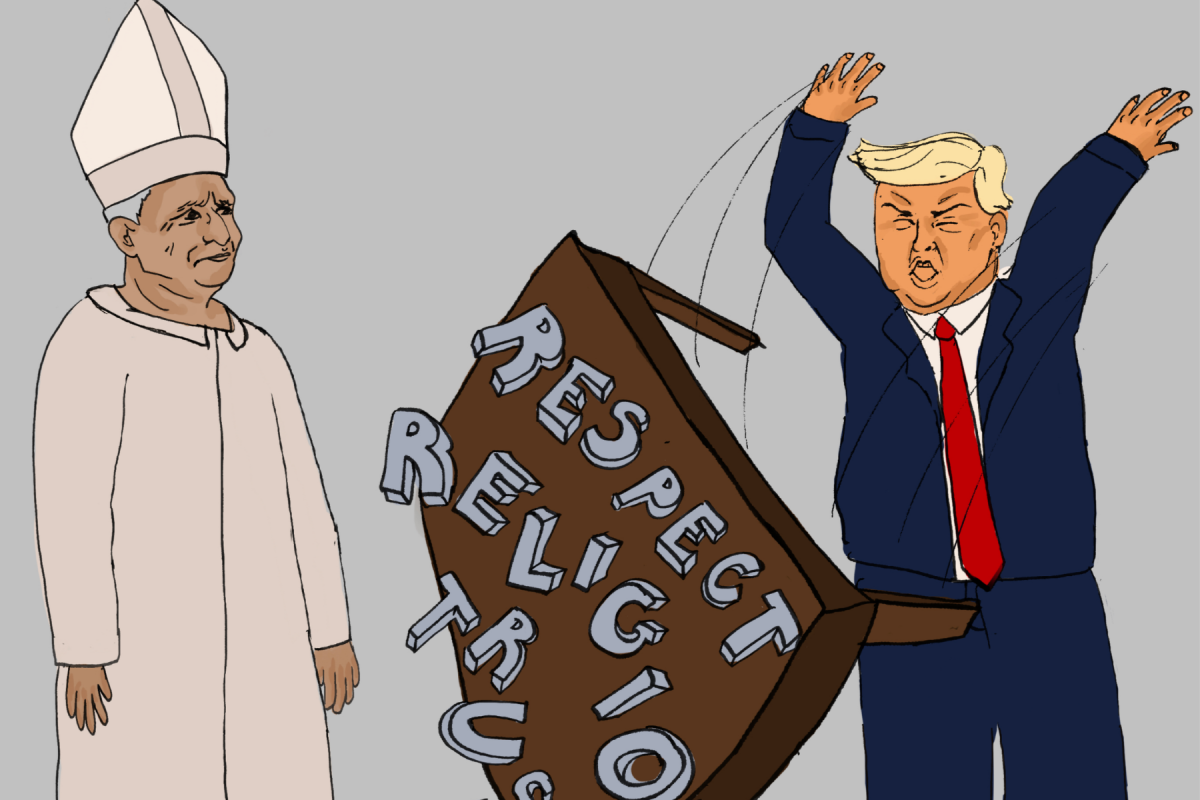
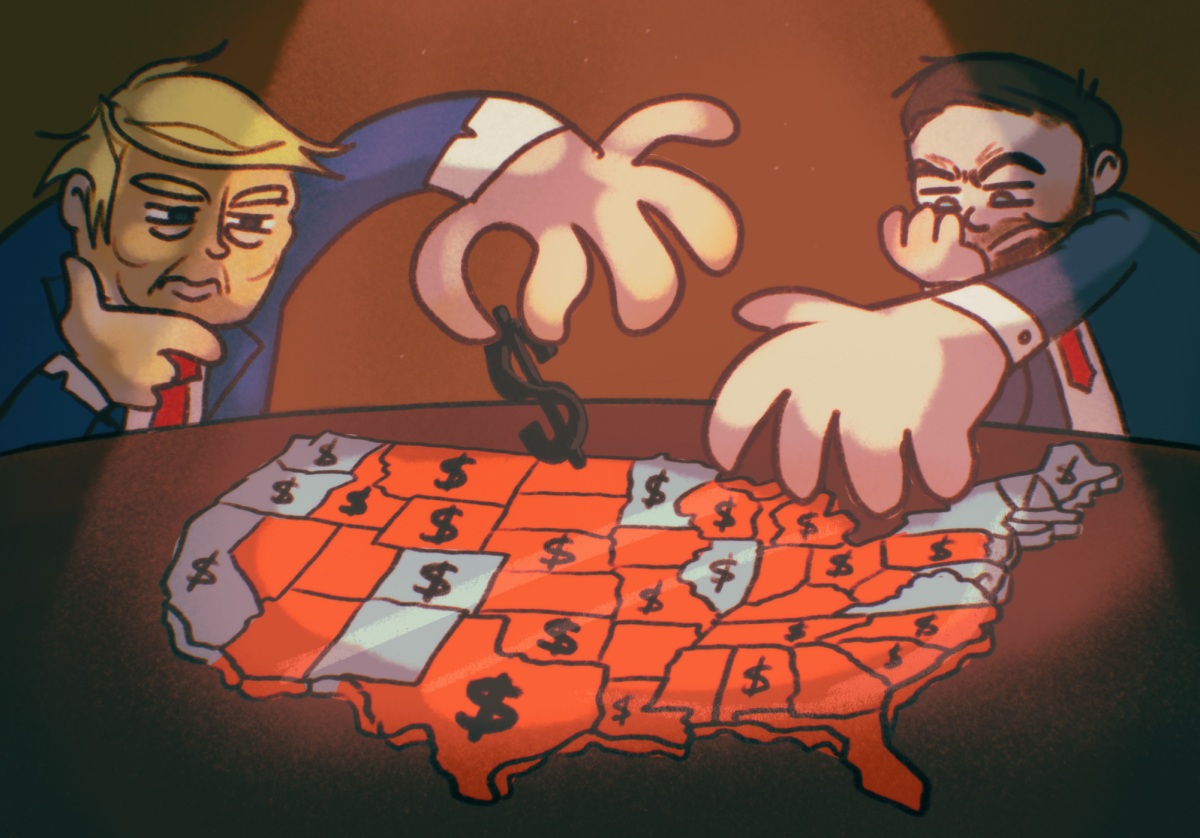
Since the founding of the United States, religion’s role in the government has been extremely controversial. Trump has taken things to a new level after publicly feuding with Pope Leo XIV and making disrespectful comments regarding religion.
The initial issue was the separation of church and state, which has been heavily debated since 1776. 250 years later, Trump is attempting to blur the line between the two domains.
This issue, though, is not unique to the current Commander in Chief. Presidents Woodrow Wilson, George W. Bush, Ronald Reagan and Dwight D. Eisenhower have all, in some respect, advocated for the United States as a Christian nation, and sought to have the country guided by theology.
What none of these presidents have done, however, is mock religious groups, get into an online feud with the pope about military operations or threaten the annihilation of an entire people.
This ongoing saga began with the March 30 Operation Epic Fury. This military initiative killed the Supreme Leader of Iran, Ali Khamenei, and officially marked the beginning of the U.S. war with Iran. This move was heavily criticized worldwide, but particularly by Pope Leo XIV, who expressed his “deep concern” over the strikes and encouraged a ceasefire.
On Easter Sunday, Trump posted an extremely disturbing and inappropriate post on Truth Social, garnering criticism from political commentators, even on the radical right. Addressing Iranians, he profanely demanded the opening of the Strait of Hormuz or else, “you’ll be living in Hell,” and finished the post by praising Allah.
In one go, the president threatened the destruction of the Iranian people, mocked Islam and expressed his own lunacy.
An integral value of the president’s job is respect: respect for other countries, leaders and residents of the globe. Having a president express disdain toward an innocent group of people, not their government, is embarrassing.
To make a mockery of one religion is to make a mockery of all belief.
One week later, an April 12 “60 Minutes” segment highlighted the pope’s discontent with Trump, prompting the president to retaliate on Truth Social by calling the pope “weak on crime.” Trump also warned the pope to “get his act together as pope, use Common Sense, stop catering to the Radical Left, and focus on being a Great pope, not a Politician.” And later, “I don’t think [the pope] should be getting into politics. I think he probably learned that from this.”
The president’s comments show his blatant disrespect for anyone with opposing views. Putting aside status, his utter disregard for another human solely due to a disagreement contributes to the polarization plaguing the world today.
What’s also surprising is that Trump still claims to be a Christian, despite routinely contradicting Bible verses calling for unconditional love and respect. His choice to post a hate-filled message on Easter morning, the holiest day in the Christian calendar, begs the question: How can someone who claims to be Christian mock faith so disrespectfully?
And further, Is Trump truly pro-religion or is he utilizing his Christianity to manipulate religious voters? His betrayal of values is not only alarming on a political level, but on a human one.
According to the December 2025 Religious Landscape study by PEW Research Center, 70% of U.S. adults identify as religious. A leader without respect for their people is an embarrassment.
After centuries of debate regarding the status of religious prominence in the federal government, a new angle on faith’s role in government has emerged: manipulation and mockery. Trump’s polarizing views and actions have not started and will not stop with the pope. Notice what’s going wrong, counter the president’s wrongdoings with one’s own good deeds and have respect for all, regardless of religion, sex, background or identity.