











![CALCULATING THE CHANGES. As study habits have changed, the materials used have changed too. "I remember the day when [my brother] came home with his graphing calculator, [which] had Mario. And I was blown away," Spanish teacher Peter Daniels said. (Photos: Fair Use; Wikimedia Commons)](https://www.rubiconline.com/wp-content/uploads/2026/05/Untitled-design-4-1200x800.png)











































![BEWARE. Junior Maisy Torres was expecting a Nickelodeon ride when she entered the haunted house at the State Fair. What she encountered was much more horrifying. "There's not enough money in the world to pay me to do [it again]," Torres said.](https://www.rubiconline.com/wp-content/uploads/2026/05/Never-again-with-nabeeha-1-e1778077989386-1200x802.png)



![[QUIZ] What famous scientist are you?](https://www.rubiconline.com/wp-content/uploads/2026/01/Untitled-design-3.gif)







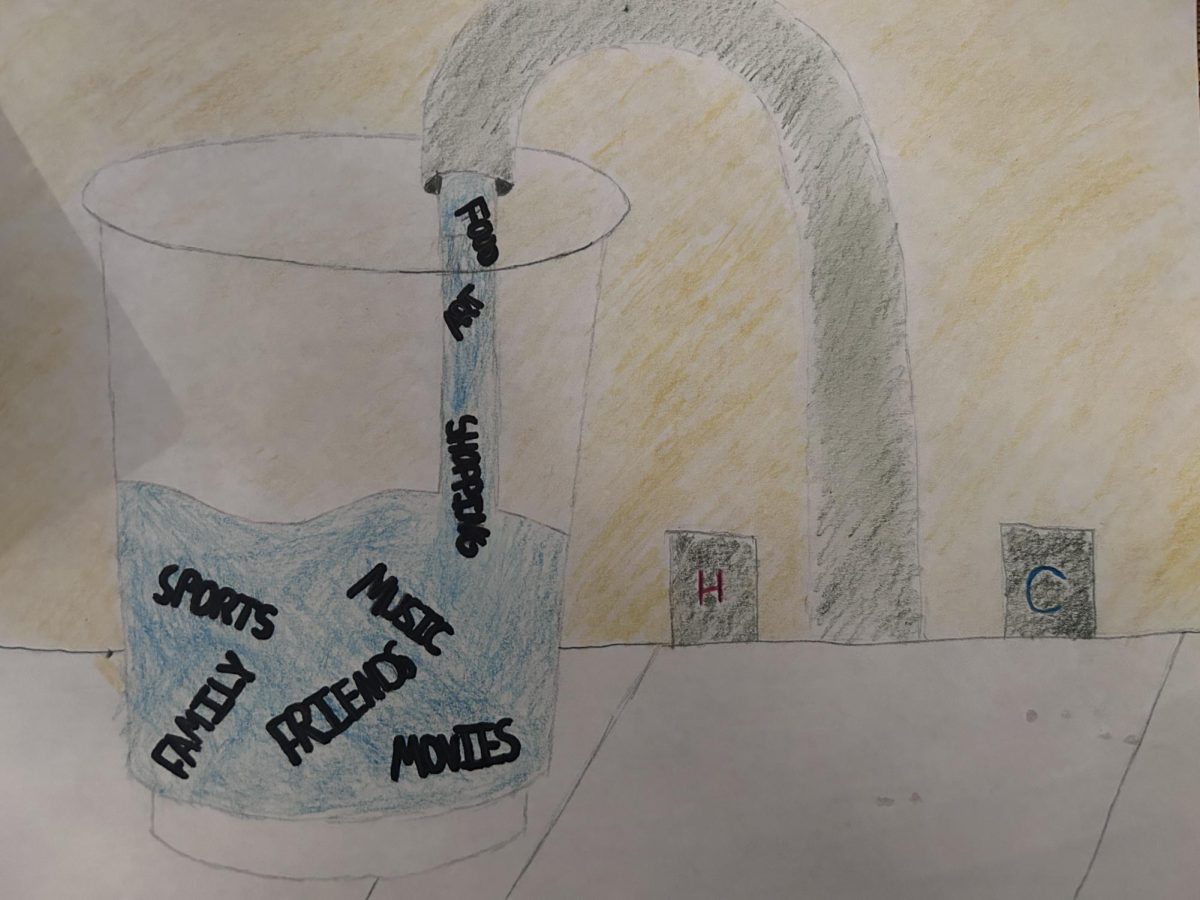
“Don’t yuck my yum” is a common phrase used by children to protect the integrity of their opinions. Beginning as early as elementary school, these beliefs forge an identity for each individual and are often reinforced without scrutiny. Beliefs are shaped by experience, knowledge, culture and surroundings, reflecting perspectives molded by upbringing.
In 2015, former Kentucky clerk Kim Davis refused to issue a marriage license to a same-sex couple. In response, the court affirmed its Obergefell v. Hodges decision, recognizing the constitutional right to same-sex marriage, obliging Davis to issue the license. Despite these efforts, Davis stood by her refusal, landing her a lawsuit and a hefty fine of over $360,000. Davis appealed, arguing that her decision was made on a religious basis.
Davis’ case is just one example of how ideology can transcend one’s own realm of thought to ultimately broadcast hateful rhetoric and interfere with the lives of others. While Davis’ actions could be framed as a matter of personal belief shaped by her faith, her conviction actively prevented her from executing her job. Davis’ beliefs not only impacted the lives of the couple, but the action stemming from her views perpetuated a hateful and harmful message meant to hurt and ostracize an entire community.
Furthermore, Davis’ rejection of same-sex couples exposes the limitations of tolerance in opinion. When every belief is treated as equally deserving of respect, regardless of how it impacts others, the phrase “don’t yuck my yum” acts less as a call for kindness and more as a shield against accountability.
When an opinion is used to justify discrimination or to diminish the humanity of others, a willingness to prioritize personal conviction over another’s dignity is revealed. In these cases, ideology reflects a lack of empathy and moral grounding. Employing judgment becomes a way to draw the line and highlight that, though every individual is entitled to their own beliefs, those beliefs are not immune from moral evaluation.
While there are some times when judgment can be justified, for many, it is always the first instinct or response to an interaction, passed on to others for saying the “wrong” thing or wearing the “wrong” outfit. Often, these judgments are aimless and made solely to project insecurity or to critique a “violation” of social norms.
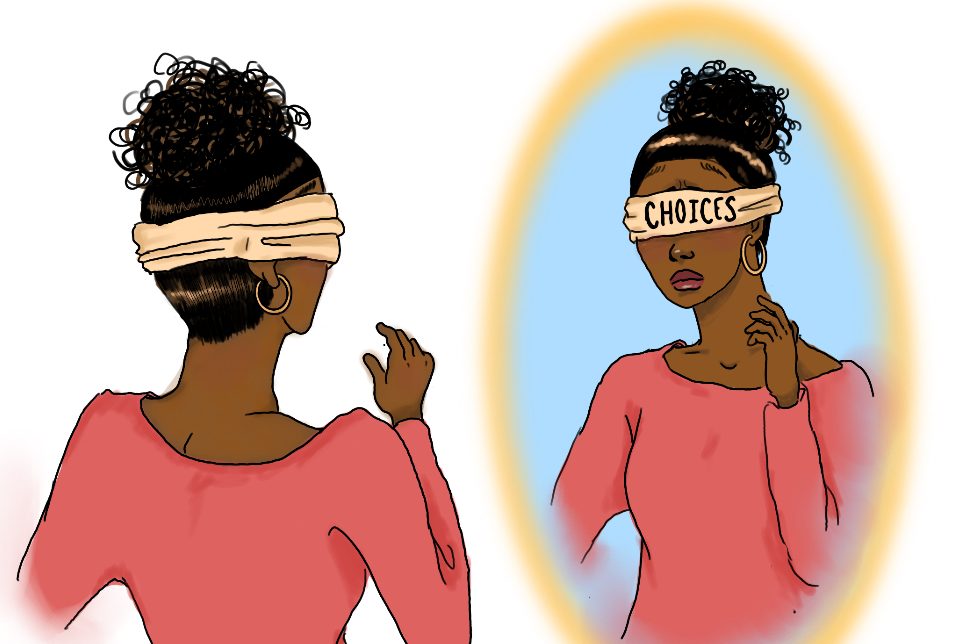
When opinions differ, it’s easy to cast judgment and determine that one’s own opinion is the correct one; however, sustaining this mindset may prove harmful and enable cancel culture, making it difficult to know when to exercise judgment. Remaining closed off to differing ideas and perspectives prevents the possibility of growth. Ideology not only reflects personal thinking patterns but also conveys culture and upbringing. Maintaining an open mind and critically analyzing another’s opinion may actually expose one to an entirely new realm of thinking.
Ultimately, when debating whether or not to cast judgment, consider the line between open-mindedness and complacency, employ constructive criticism and engage in civil discourse. Sometimes opinions act as a shortcut to dehumanization. Rejecting intolerance can help foster a sense of empathy over a shared humanity.