Democracy in peril: trust in American democracy declines


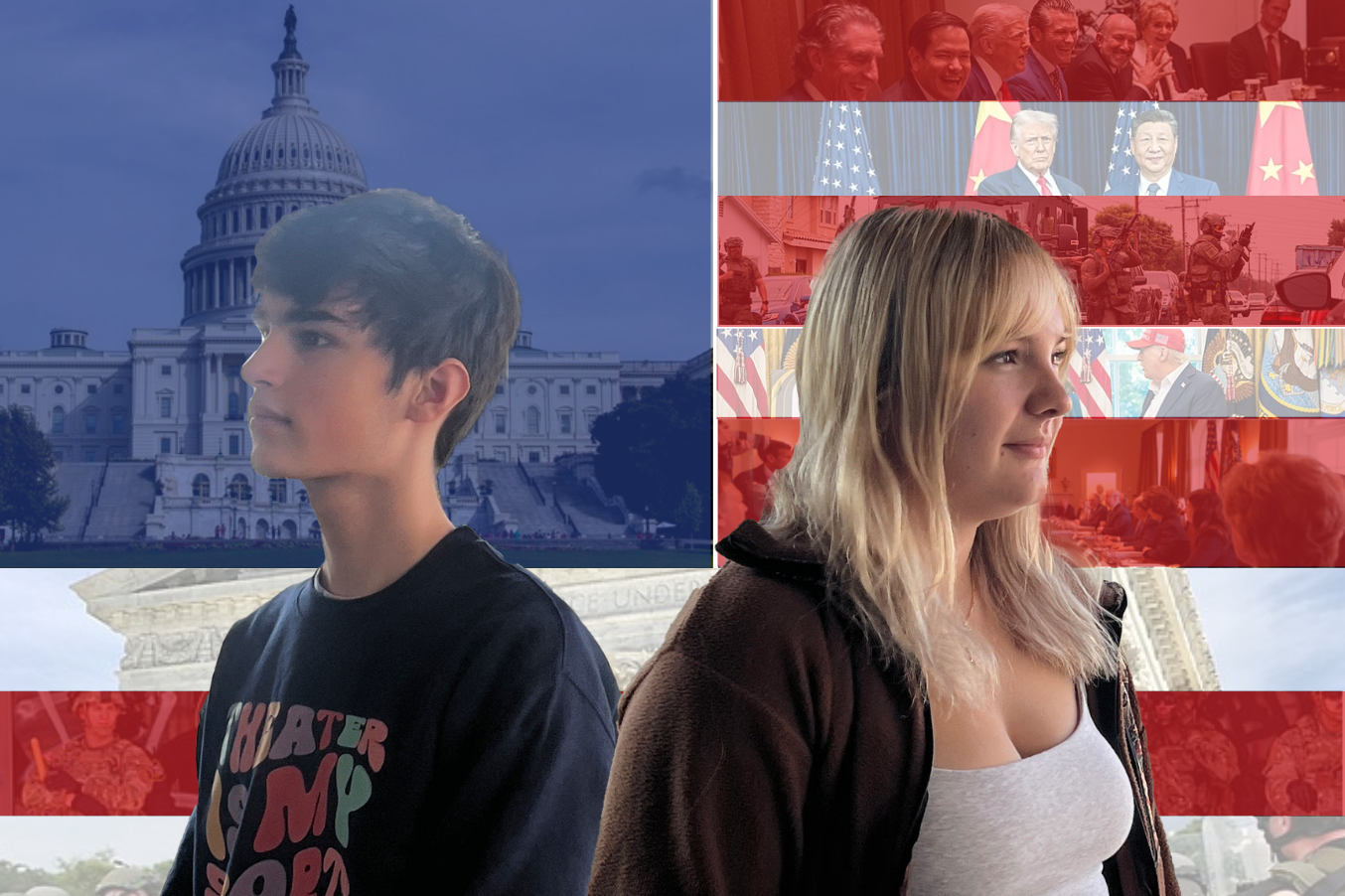
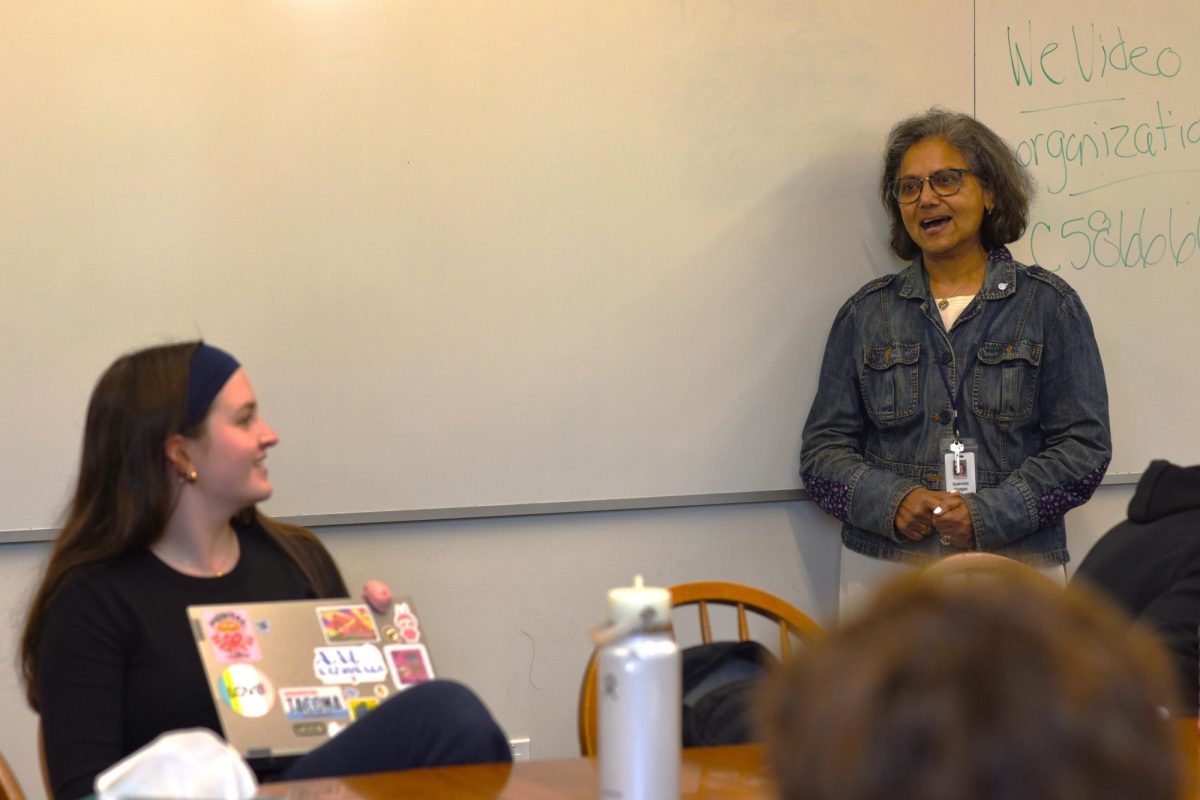
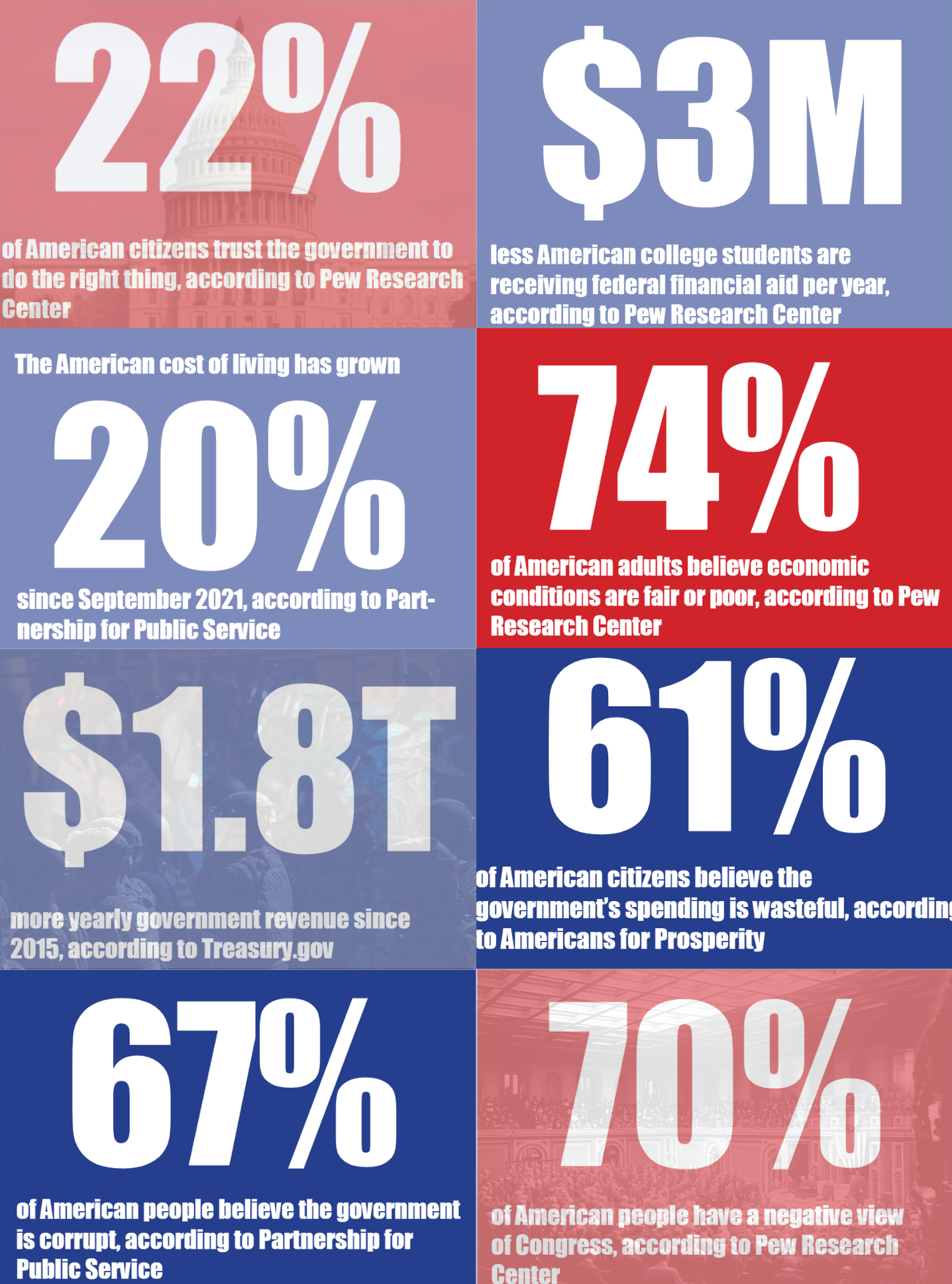
The system that America is built upon was made to prevent any single person or group from gaining too much power. After their experience with tyranny under the British monarchy, the framers of the Constitution created multiple branches of government and separated powers between the state and federal systems. Even the first sentence–“We the people”–illustrates the importance of the people in an effective democracy. However, recent decisions made by the federal government have led many to question the current state of democracy in the United States. History teacher Andrea Sachs believes it’s beginning to decline.
“I think [democracy is] under great threat,” she said. “I’m a strong believer that if you want to … call yourself a democracy, you need free and fair elections and free press, and elected officials who are held accountable.”
Each branch of the government was created with precautions in place to prevent any of the others from accumulating excess power. President Donald Trump’s administration has been pushing to find ways around those precautions. Junior Stella Hunter is increasingly concerned about the escalation of presidential power.
“It seems like a lot of things are unconstitutional … Even … in [Trump’s] first term … he elected those three Supreme Court Justices, and that’s how Roe v. Wade got overturned. … It’s just felt like the start of a tyranny to me,” Hunter said.
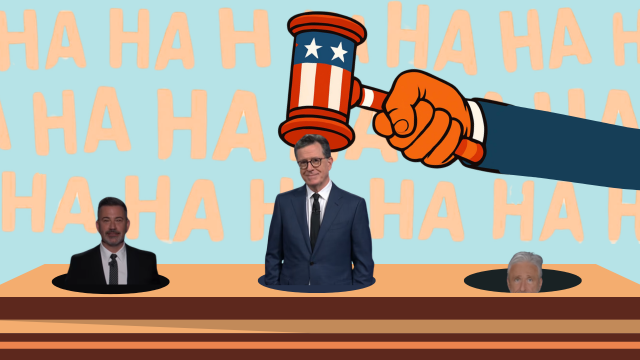
Additionally, free speech, or lack thereof, is a concern that has arisen among the American public throughout Trump’s term, and continues to spark debate as that term continues. Censorship has taken many forms, from removing late-night television shows from the air to revising curricula and reinterpreting museum exhibits. “These are not actions of someone who is following his pledge to uphold the Constitution,” Sachs said.
U.S. Immigration and Customs Enforcement has been another source of controversy between Americans. Detainments by ICE have been rampant all across the country, where agents have been running checkpoints, questioning people in their cars and smashing windows in order to pull people out. Although a large number of ICE’s recent actions have been technically legal, they have been illegally detaining large groups of people they don’t have reasonable suspicion toward.
“I feel like there’s a lot of stuff that seems unconstitutional, like with ICE, especially. Even like, with [Trump’s] DEI policy, and getting rid of DEI in the federal government, it’s been very much like how all the other tyrannies have started,” Hunter said. “[Especially] with them getting rid of everyone who opposes them … and just having them as the sole people in power.”
One of the most pressing issues for many citizens the idea that power comes from the people, and the ways that principle seems to have been violated. When the Constitution was written, the primary concern was that the federal government would have too much control. Today, that concern has come back with full force. Despite the system of checks and balances that was established many years ago, the Trump administration tends to pay little attention to it.
“The people hold the power. Elections are basically giving elected officials permission to govern. And so we exercise our power as people by choosing who gets to make the rules that govern the country. So the fundamental idea is that people who are governing, [the] elected officials, only have power because the people have specifically assigned them roles,” Sachs said.
Trump’s term will end on Jan. 20, 2029. He has discussed running for a third term in various interviews, but has not officially announced anything yet. Democracy continues to hang in the balance.
SNAP funding suspended under the Trump administration. Dismantled diversity, equity and inclusion offices and positions in the federal government. Threats to federal education funding.
Headlines like these can feel distant, a summary of policies whose effects can range from minor inconveniences to life-altering consequences. For some, it is easy to move forward, shielded from the reach of federal decisions. Yet even for those untouched directly, executive actions tend to ripple outward, influencing communities, families and familiar faces seen in passing.
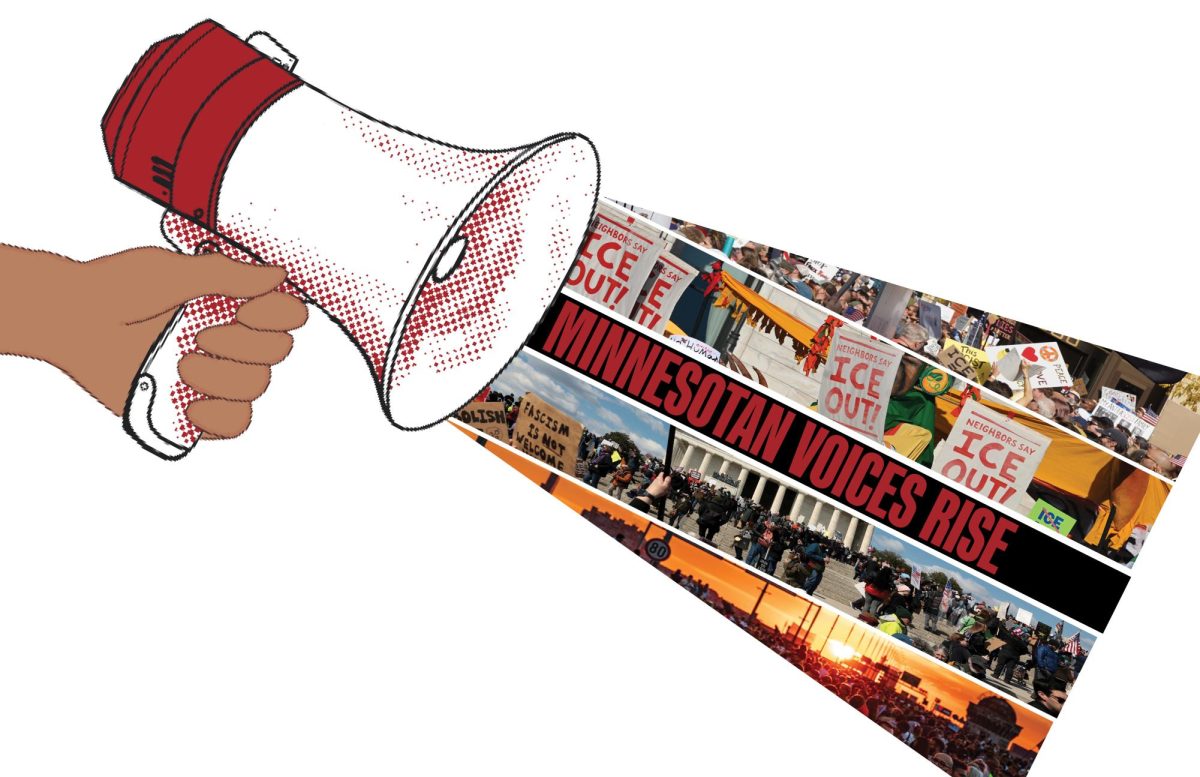
Some students have found themselves taking part in public responses, joining protests or finding other ways to engage.
Senior Echo Dayton recalled her first protest following the overturning of Roe v. Wade. “I went with my mom and my sister, and I think that was really impactful, because that was, freshly coming out of COVID,” Dayton said. “My family was really COVID careful, but it was important enough to my mom that we went to break our family rule, to go to this huge event.”
The experience also changed how Dayton found her involvement in protests. “The first big protest I went to with my parents, I didn’t want to do any of the chanting or anything. I was happy to be there, but I was much more of a passive member,” she said.
Dayton now feels more comfortable going to protests and chanting along. “I’m more confident in my ability to talk on the issues that we’re protesting about … and am more engaged in politics,” Dayton said.
Sophomore Kieran Ahearne-Kroll has also been following how national policies impact students. “All the threats that [Trump’s] making about funding for education. I think that’s really scary. Just knowing how much school is going to be affected by this is just terrifying,” they said.
In Ahearne-Kroll’s theater group, the removal of DEI requirements has created a sense of unease beyond the classroom. “We talked about it … the day after Trump was elected, and we were all just really sad,” they said. “All coming together is just the best way for us to process it.”Even outside protests, others have looked for ways to respond locally.
This fall, the Parent Association announced a partnership with The Open Door, a Dakota County nonprofit, to organize food drives on campus. The effort comes in response to cuts to federal food programs and uncertainty with SNAP funding.
Amid these responses, some students are still trying to make sense of national events and stay informed. Senior Minh Tran said, “I try to keep up with the news, but there’s so much going on that it’s hard to follow everything. I’ll read a few headlines or watch a short video to stay updated.”
According to a 2023 United Way National Capital Area survey, over half of Gen Z respondents stated they have participated in rallies or protests, showing that expression in civic engagement is consistent despite frequent policy shifts.
Both Dayton and Ahearne-Kroll emphasized the importance of conversation and engagement in executive decision-making. “It’s really easy to feel comfortable and feel like you don’t have to advocate for the people who would be impacted,” Dayton said. “Just because I can still go to the grocery store doesn’t mean everybody can. I think it’s my duty, as somebody who can, to advocate for people who are impacted.”
Ahearne-Kroll notices a divide between citizens and the government. “I don’t think the Trump administration understands, at a more personal level, what they’re doing. They’re so detached from everything that they are affecting. They don’t understand what the actual consequences of their actions are,” Ahearne-Kroll said.
Even in a school insulated from many direct effects, the ripples of national policy are visible, shaping conversations, the safety of communities and how students see their role in politics.
In a poll sent to the 9-12 student body with 20% responding:

![CALCULATING THE CHANGES. As study habits have changed, the materials used have changed too. "I remember the day when [my brother] came home with his graphing calculator, [which] had Mario. And I was blown away," Spanish teacher Peter Daniels said. (Photos: Fair Use; Wikimedia Commons)](https://www.rubiconline.com/wp-content/uploads/2026/05/Untitled-design-4-1200x800.png)