[GOOD FOR YOU] How turning off screens before bedtime benefits sleep

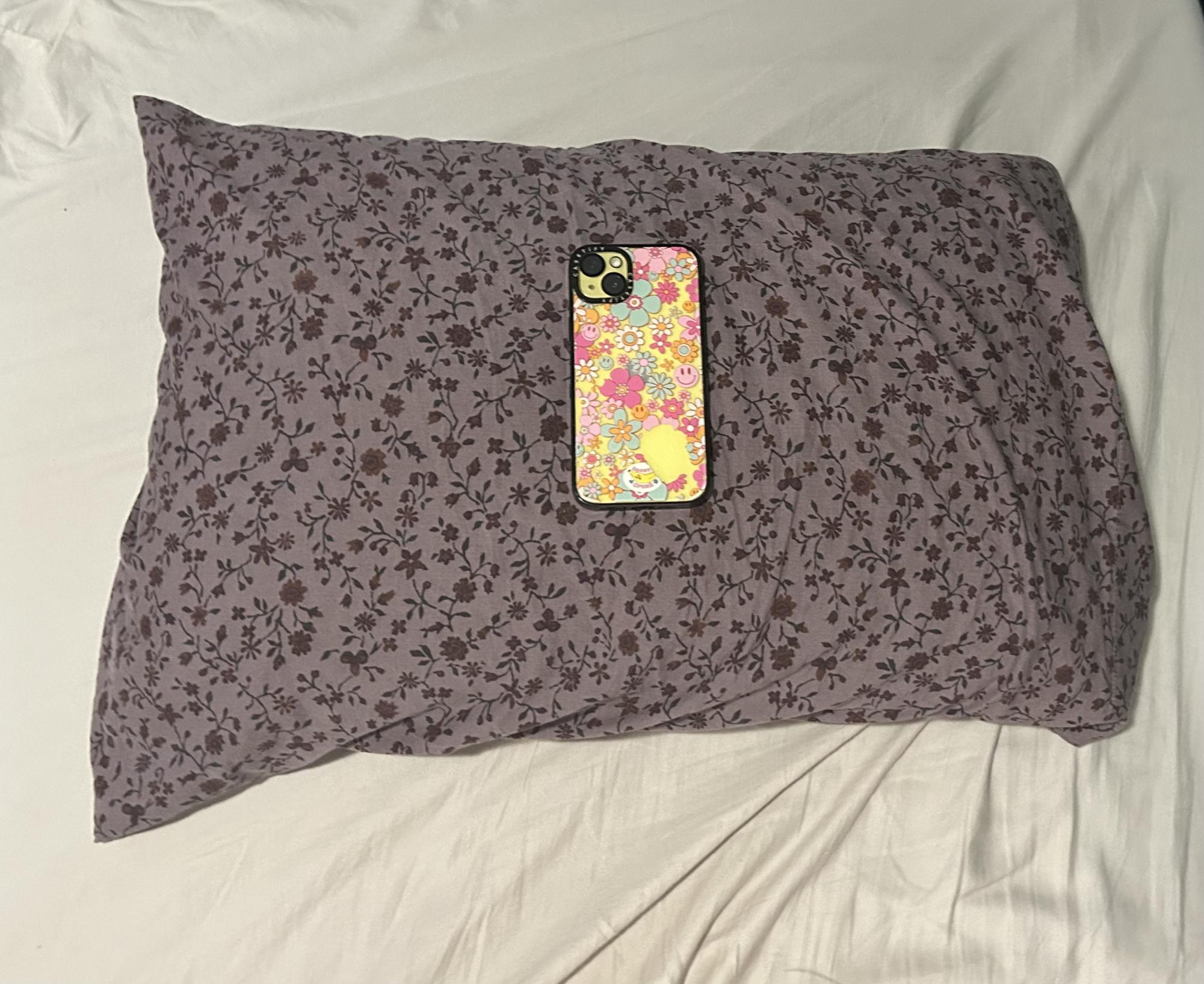
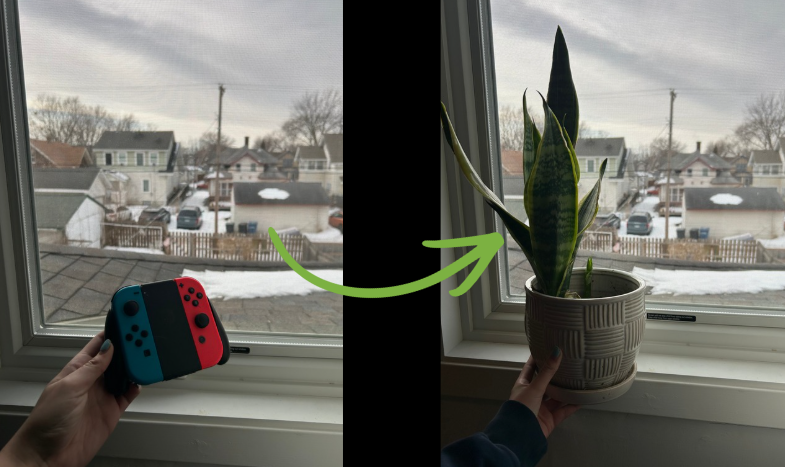
As someone who is always looking for ways to improve sleep quality, I am certainly no stranger to hearing about a certain way to getting better sleep. One of the most common strategies I have encountered is turning off screens before bed. According to a study by the National Sleep Foundation, 58% of those involved in a 2022 poll reported being on screens at least an hour before falling asleep. Being on screens before bed engages the mind, exposes you to blue light that interrupts sleep and presents content that can trigger strong emotions. For five days, I decided to put down screens an hour before going to bed.
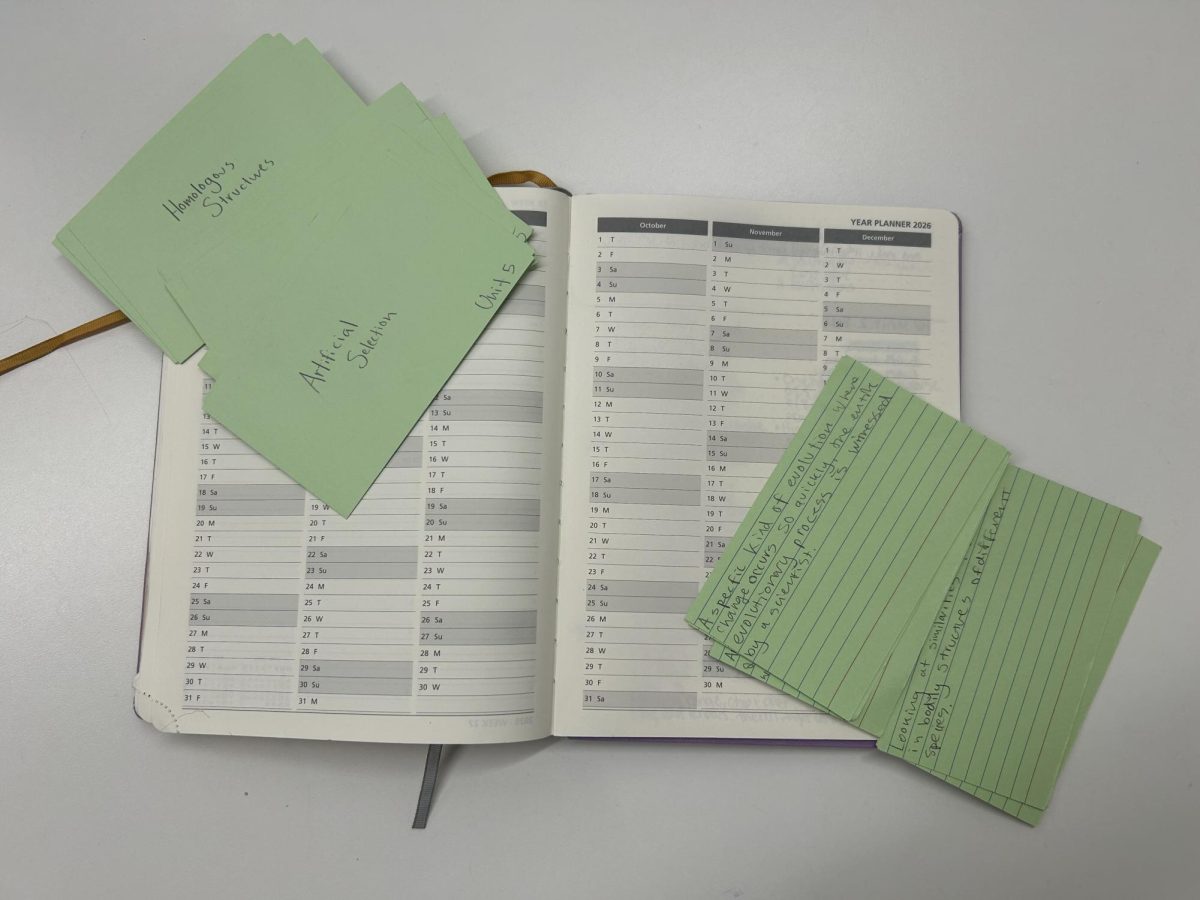
Monday: With a busy week ahead, I was less worried about time on my phone and more concerned about completing homework that I typically do on my computer. This forced me to plan out exactly when I was going to finish my homework, specifically assignments that required my computer. Planning ahead definitely allowed me to finish homework more quickly and procrastinate less, which helped me stay on track. That night, for the hour before I went to bed, I caught up on English reading and was able to fall asleep at the same pace I normally do.
Tuesday: Tuesday went really well. I didn’t have as much homework which allowed me to get off of my phone early and be able to find different activities that weren’t involving screens. I decided to read a book that I had been meaning to read for a long time. I read for around 45 minutes and then went to sleep even easier than the night before.
Wednesday: On Wednesday, I had to study for an upcoming test and studying involved working on my computer. Preparing for the test took a long time, in order to cover all the material. This left me exhausted and I ended up not waiting an hour and just going to sleep right after closing my computer.
Thursday: I woke up on Thursday determined to give myself an hour before bed where I did not go on any technology. I achieved this by completing all the homework that utilized my computer early and spending time finishing notes on a textbook and reading some more of the book I had started on Tuesday. I went to sleep at the same pace I did on Tuesday.
Friday: On the final day, I wasn’t as worried about finding non-screen activities. In the future, I don’t plan to use this sleep strategy. While I did wake up feeling more rested on some days and the data showing screens cause poor sleep is valid, realistically, this isn’t something that I can commit to. Students have so many obligations that sometimes finishing an essay and immediately going to bed is the most practical option. However, this experiment has inspired me to stay off my phone a little more than I usually would before I go to sleep.



![CALCULATING THE CHANGES. As study habits have changed, the materials used have changed too. "I remember the day when [my brother] came home with his graphing calculator, [which] had Mario. And I was blown away," Spanish teacher Peter Daniels said. (Photos: Fair Use; Wikimedia Commons)](https://www.rubiconline.com/wp-content/uploads/2026/05/Untitled-design-4-1200x800.png)