

Junior Avi Coleman first realized her interest in engineering in 10th grade during the Advanced Technology Programming class. She signed up to submit research on a project that she had been working on all sophomore year to a TCRSF competition.
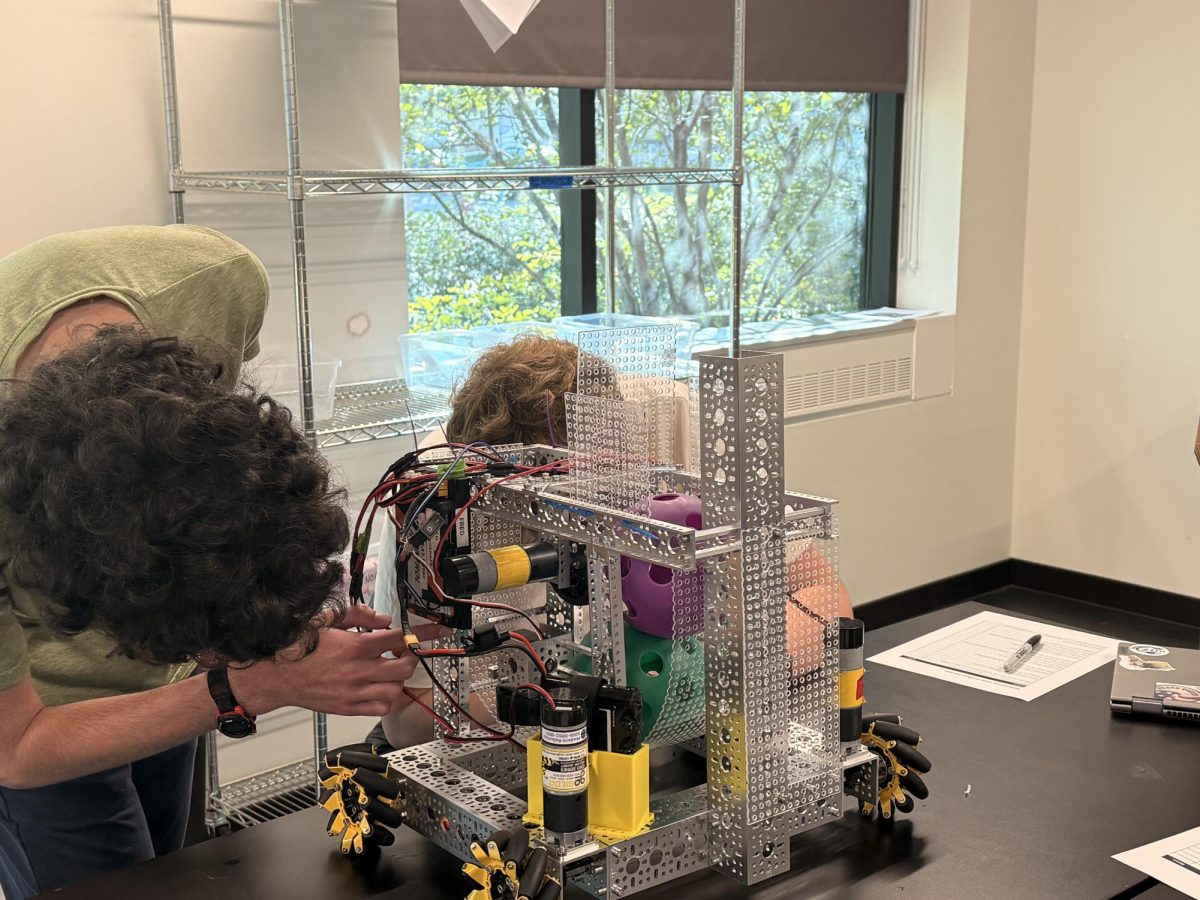
Coleman worked with senior Sophie Nguyen to create a device that limited the amount of water given to plants. Focusing more on the mechanical side, their machine calculated the amount of water plants received, by comparing and contrasting the weather and soil quality among other variables. In coordination with all the data, Coleman and Nguyen wrote a program that only watered plants when they needed it.
The success of the device led to them receiving first-place at the state science fair. “The device saved around 80% more water and through the two months we collected data for, the plant’s health stayed the same,” Coleman said. After making some good memories and learning how fun it was to submit research projects, Coleman applied for the Advanced Science Research (ASR) program for her junior year.
The divergent switch from technology to research was backed by her original strong interest in biochemistry. Her project this year, which she will be working alone on, will be researching the effect of neurotoxins that are relatively prevalent in the food we eat. These neurotoxins such as palmitic Acid and lipopolysaccharides have very high relevance in obesity and diabetes.
Her reason for exploring something connected to humanity is due to one of her close friends: “I actually had a close connection with someone who was on a GLP-1 receptor agonist and I didn’t know how they worked at all,” Coleman said. Although only living with this person for two weeks, their impact on Coleman is shown in her dedication to finding a correlation between neurotoxins and food.
Due to high school research regulations which ban the use of human response subjects, to ensure that her research cannot be nullified by some simple mistake, she chose to work on zebrafish. These fish reach maturity in only seven days, leaving Coleman five days to obtain exact information on fish and get results before they are deemed as vertebrates, adding another obstacle.

After facing a multitude of problems ranging from a lack of research gap, all the way to legal regulations, the process was one that taught Coleman the excitement of learning more about what she is really interested in.

![CALCULATING THE CHANGES. As study habits have changed, the materials used have changed too. "I remember the day when [my brother] came home with his graphing calculator, [which] had Mario. And I was blown away," Spanish teacher Peter Daniels said. (Photos: Fair Use; Wikimedia Commons)](https://www.rubiconline.com/wp-content/uploads/2026/05/Untitled-design-4-1200x800.png)