

After a typical school dance or formal event, closets often share the same story. A beautiful dress, worn once, hangs in a closet, tucked away, never to be worn again.
In the Twin Cities, those racks of dresses now tell a different story, depending on the person. Instead of hanging in closets to hardly ever wear, gowns move from closet to closet, from one set of hands to another. A dress that was once worn to a dance is measured, photographed and prepared for its next event. It is cleaned, adjusted and sent out again as something shared, not second-hand.
Throughout the week, racks of gowns in every color imaginable fill the workspace. Volunteers sift through colorful dresses, measuring hems, checking zippers, smoothing stains and taking note of the fabric before photographing each piece. A dress that once shimmered under gym lights is cleaned, cataloged and uploaded to the organization’s site, not as a hand-me-down but as something shared amongst the community.
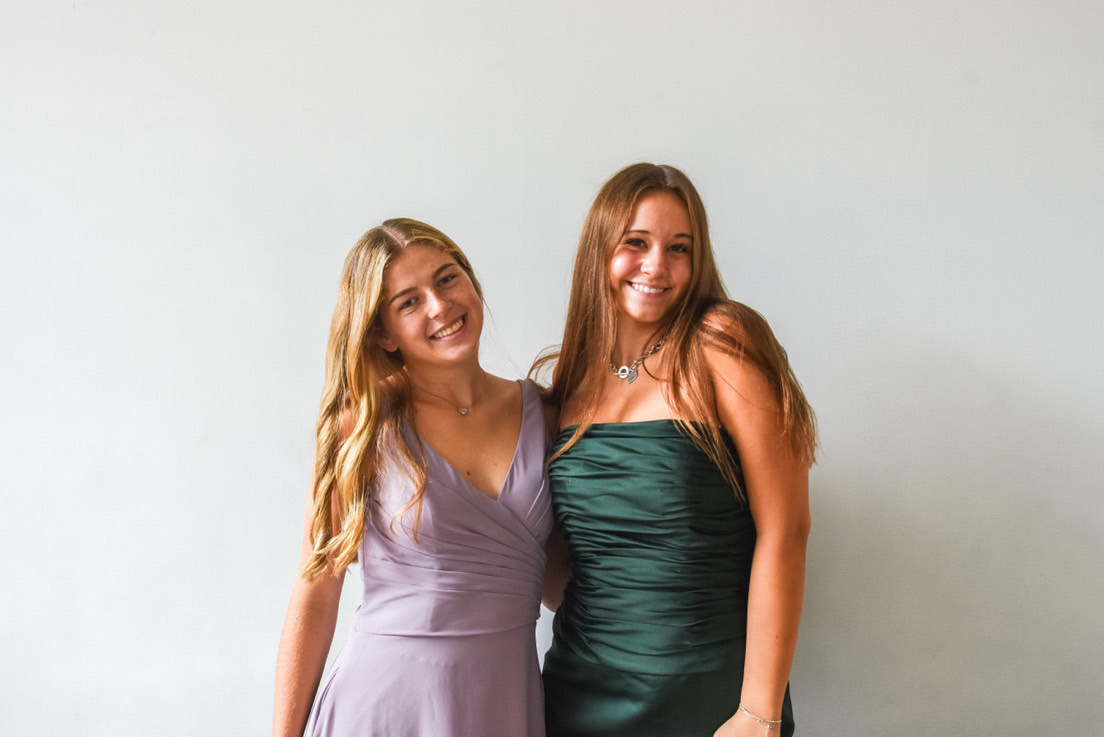
Behind each dress is a student volunteer. Pass Down The Gown (PDTG) is a female-run 501(c)(3) nonprofit, based in the Twin Cities, that provides free formal dress rentals to young women across the United States. What began in 2017 as a single rack of dresses in a basement has shortly grown into a student-run organization serving communities beyond Minnesota.
The organization defines its purpose: “Pass Down The Gown (PDTG) is a 501(c)(3) nonprofit organization dedicated to making formalwear accessible and sustainable by providing free dress rentals — run by girls for girls.”
Every dress is donated. Customers browse the website, select a dress and place a deposit, typically around $15 to $20, depending on the dress and its condition. The dress is then shipped, worn for the occasion and then returned. Once it arrives back in good condition, the deposit is refunded. Dresses can only be rented, ensuring they can be worn again and again.
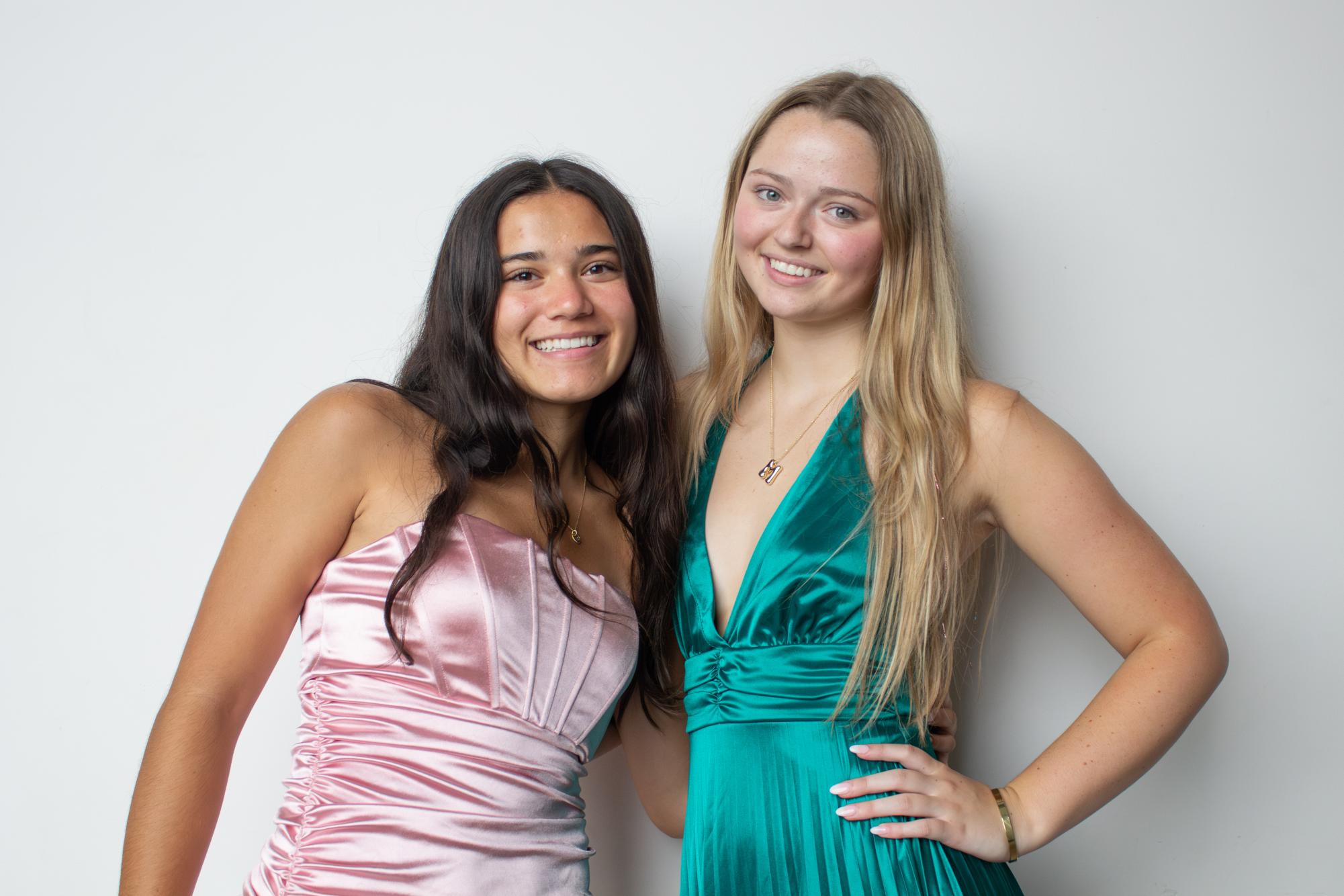
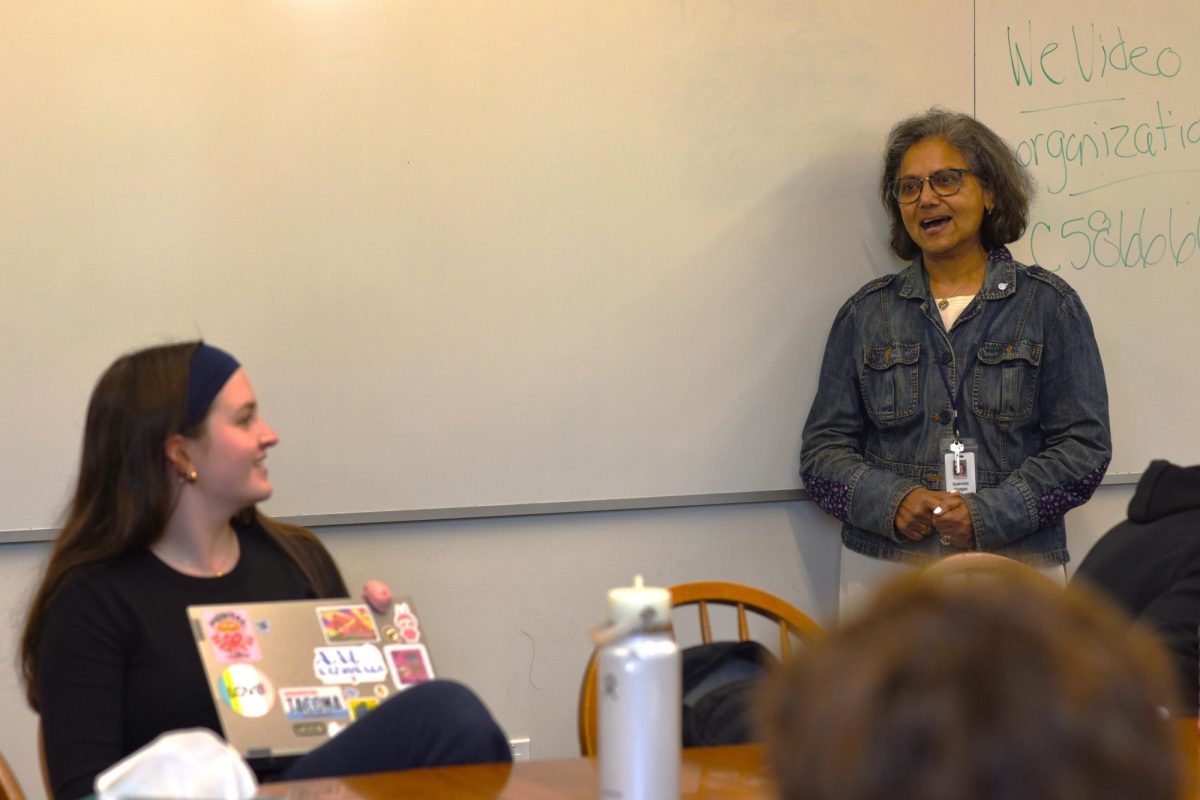
For Sophomore Sophie Ferrer, the mission of PDTG is reflected not only in sustainability, but also in how the organization is run by and for students. “ The process of becoming a part of the PDTG team consists of applying via a form and an opening interview, followed by getting to know you as a person and talking about possible roles of interest in the non-profit,” Ferrer said. “Once a role is available and assigned to you, you are given a checklist to complete each month… usually consisting of attending monthly company meetings, sub meetings, attending the photoshoots, and extra events.”
Senior Laura Kimmel started volunteering at the end of her sophomore year, helping out with social media. “I got involved with PDTG because I would see girls posting photoshoots and information about the dresses and I thought it was a really cool concept and looked really fun. Then one day I saw a post about volunteer applications and I applied,” Kimmel said.
Since then, she has taken on multiple roles, from organizing dresses to writing the organization’s monthly newsletter for donors, families and volunteers.
“I think my favorite part of PDTG is how it brings girls from all over Minnesota together … [The organization] is so tight-knit and appreciative,” said Kimmel. Monthly Zoom meetings, photo shoots and outreach events, from poster making to pizza fundraisers, connect students from different schools and, more recently, even from New York as the organization expands.
Ferrer echoed that sense of connection, noting that involvement in PDTG goes beyond volunteer hours. “I was inspired to get involved with PDTG because my sister had been involved with it, so joining allowed me to spend more time with her as well as build new friendships with girls similar to me within the city,” Ferrer is a part of the marketing team, specifically creating video content.
The growing awareness of environmental responsibility matches that sense of connection. The fashion industry is one of the largest contributors to global carbon emissions, fueled by fast fashion, synthetic fabrics using toxic chemicals and international shipping. Prom dresses, which are often worn once, require substantial materials and energy to produce.
PDTG was founded on the idea that formal events should not require single-use fashion. By extending the life of each gown, the organization reduces the demand for new production and the waste that follows. Dresses are cleaned after every rental, sometimes in-house and other times in partnership with local dry cleaners, Mulberrys Garment Care. When a dress can no longer be rented due to damage or wear, volunteers repurpose or donate the material rather than dispose of it in a landfill.
“I definitely think a challenge is a stigma around renting dresses,” Kimmel said. “I think it’s important that people realize that the environmental aspect is just as important as the financial aspect and it’s not embarrassing to rent a dress, it’s cool because it’s helping the environment.”
Beyond sustainability, cost is another driving force. With the school dance expenses adding up through tickets, transportation, shoes and photos, the price of a new dress can push the total well into the hundreds. PDTG aims to relieve some of that pressure by offering an affordable, environmentally conscious option.
The organization relies entirely on donations and student volunteers. Pop-up events at schools allow students to browse and rent dresses in person. Every contribution, whether it’s a donated gown or a monetary donation, keeps the cycle moving.
Pass Down The Gown is about more than dresses; it’s about rethinking what ownership means, about choosing sustainability over excess and about students recognizing that they have the power to build something sustainable together with help from their communities.
With the help of volunteers within PDTG, each dress can be worn again, giving more people the chance to take part in special events without worrying about cost or environmental impact.

![CALCULATING THE CHANGES. As study habits have changed, the materials used have changed too. "I remember the day when [my brother] came home with his graphing calculator, [which] had Mario. And I was blown away," Spanish teacher Peter Daniels said. (Photos: Fair Use; Wikimedia Commons)](https://www.rubiconline.com/wp-content/uploads/2026/05/Untitled-design-4-1200x800.png)