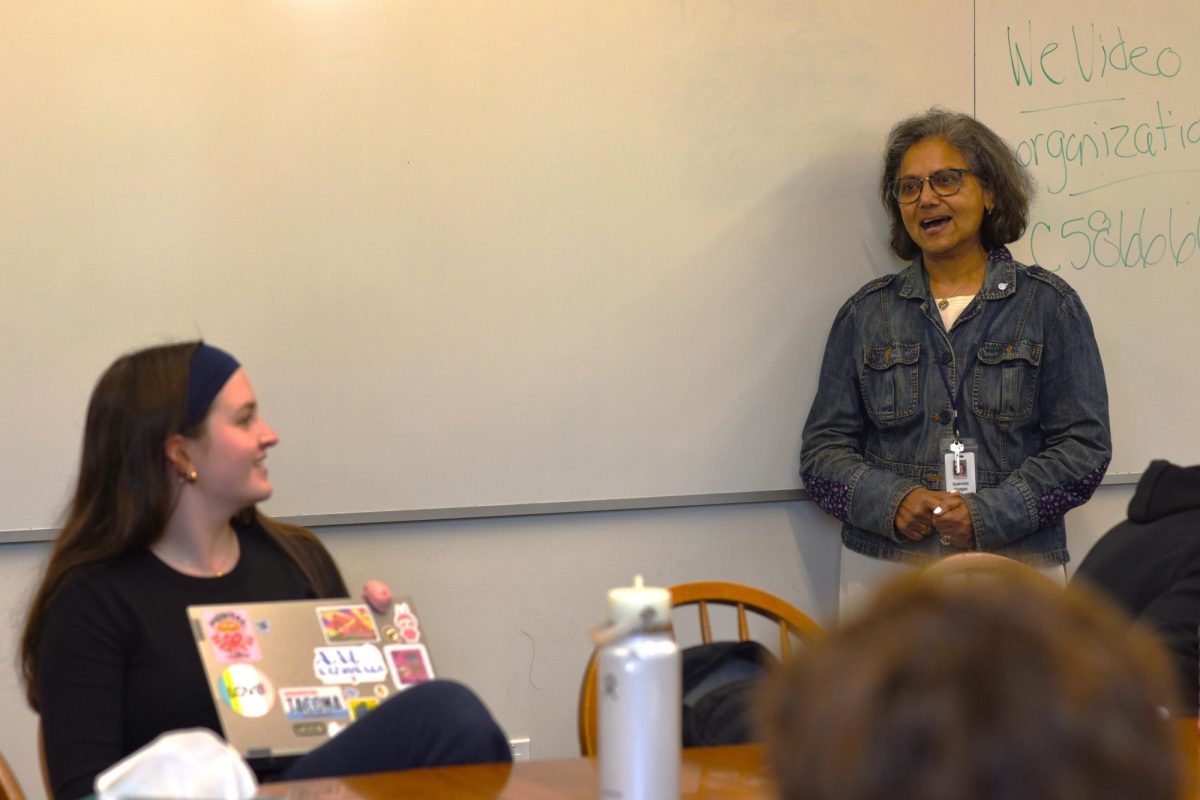


As Earth Day approaches, many people wonder how they can make a difference for the planet. While large-scale efforts are often the focus of conversations, small actions collectively can also have a powerful impact.
Earth Day, celebrated on April 22, serves as a reminder of the importance of protecting the environment and preserving natural resources for future generations. For some students, it’s also a chance to reflect on humanity’s relationship with the planet in a more personal way.
The widely recognized day started in 1970, when Senator Gaylord Nelson helped organize a nationwide effort to raise awareness about pollution and environmental issues. What began as a single day of action in the United States eventually grew into a global movement and even helped lead to the creation of the United States Environmental Protection Agency.
56 years later, the mission continues through individuals like senior Jane Hickman, who views the day as a necessary shift in perspective.
“I think Earth Day is important because it’s all about giving back,” Hickman said. “Humanity has lived for thousands of years, taking from the Earth every single day and Earth Day is a day where we can remind everyone that we need to have a symbiotic relationship with our home, not a parasitic one.”
Hickman participated in cleanup efforts growing up, even when the conditions weren’t ideal.
“I have a distinct memory of going out to clean trash in some neighborhoods,” they said. “I think it was during middle school with other people in my advisory. It was a pretty gloomy day, it had just rained and there were only clouds, so it was kind of miserable, but I think it was worth it.”
That experience, they said, reflects the kind of small, everyday actions that can make a real difference. They also emphasized the importance of accountability and community involvement.
“If you want to be more serious, you can hold others accountable, your family, your friends and your neighbors, when you see them littering,” they said. “When you find trash that has been lying around, you can pick it up and dispose of it rather than just leaving it there.”
For Hickman, one issue stands out above the rest: plastic waste.
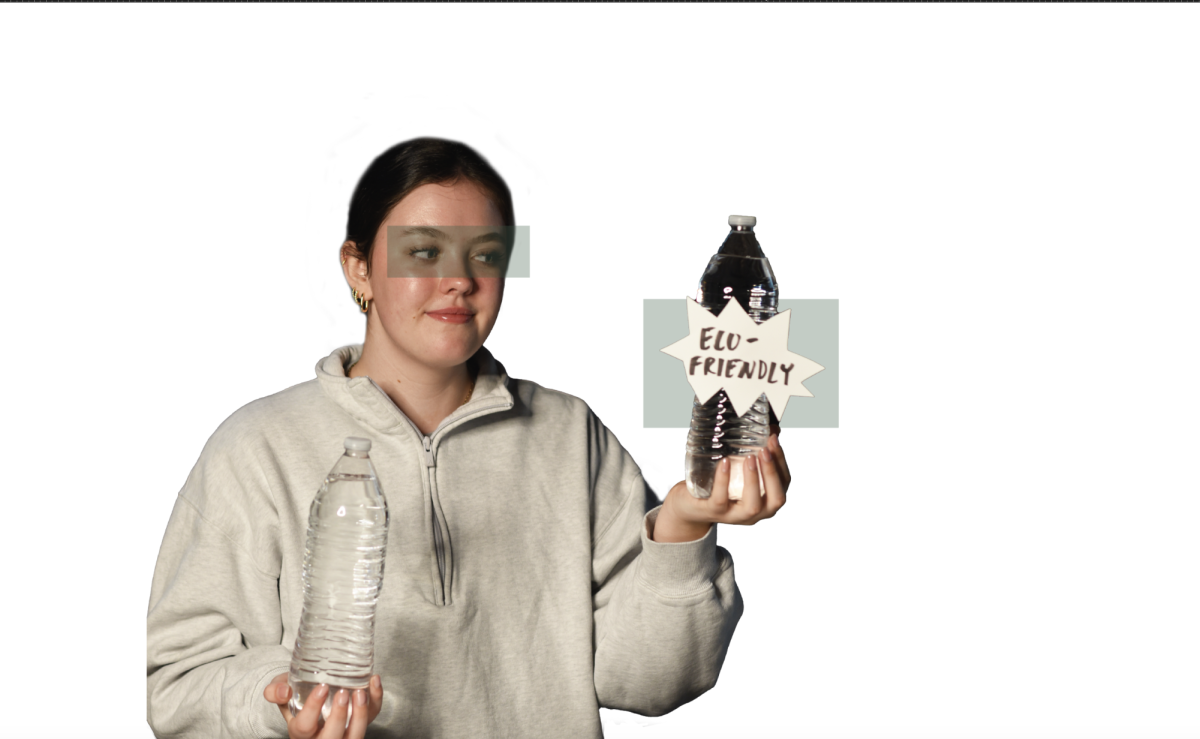
“I hate single-use plastics,” they said. “I have had the same reusable plastic water bottle for thirteen years. I got it for about $5 and it goes to school with me every day. It’s just so easy to do something like this instead of buying those packs of disposable bottles that end up in landfills all the time.”
While Earth Day highlights environmental issues for just one day, Hickman’s perspective points to something longer lasting: meaningful change often comes from simple habits practiced consistently.
Studies from the Organization for Economic Cooperation and Development (OECD) estimated that in 2019, plastic products accounted for 3.4% of global greenhouse gas emissions, with 90% of these emissions arising from the conversion of fossil fuels into plastic products. The OECD also reports that, unless human behavior changes, greenhouse gas emissions related to the cycle of plastic products are expected to double by 2060.
In the end, Earth Day may be less about grand gestures and more about the small choices people make every day and how those choices, over time, add up.
So how can you make a difference this Earth Day? Small choices like using less plastic, cleaning up litter, or speaking up when others don’t can go a long way and groups like EarthDay.org and Keep America Beautiful make it easy to get involved in your community.


![CALCULATING THE CHANGES. As study habits have changed, the materials used have changed too. "I remember the day when [my brother] came home with his graphing calculator, [which] had Mario. And I was blown away," Spanish teacher Peter Daniels said. (Photos: Fair Use; Wikimedia Commons)](https://www.rubiconline.com/wp-content/uploads/2026/05/Untitled-design-4-1200x800.png)