
With finals looming, students are focused on traditional methods for academic success – but what if the solution is not in study habits, but in social ones? Many people give compliments, but most don’t understand the benefits. During stressful times, a simple compliment can boost self-image and foster a growth mindset.
Giving compliments can feel vulnerable, and the words’ impact rarely reaches their full potential. With finals approaching, acts of kindness may reap more benefits than you think. During end-of-year exams, students rely on confidence, memorization and engagement; remarkably, giving and receiving compliments encourages all of the above.
According to the American Federation of Teachers, compliments increase confidence and motivation, helping students perform better academically. A 2021 study from Brigham Young University found that high praise improved academic achievement by 60-70%.
These effects are chemical. When giving or receiving a compliment, the brain releases dopamine – known as the ‘feel-good’ chemical. This chemical reduces stress, helps retain memories and boosts motivation, thereby enhancing academic performance.
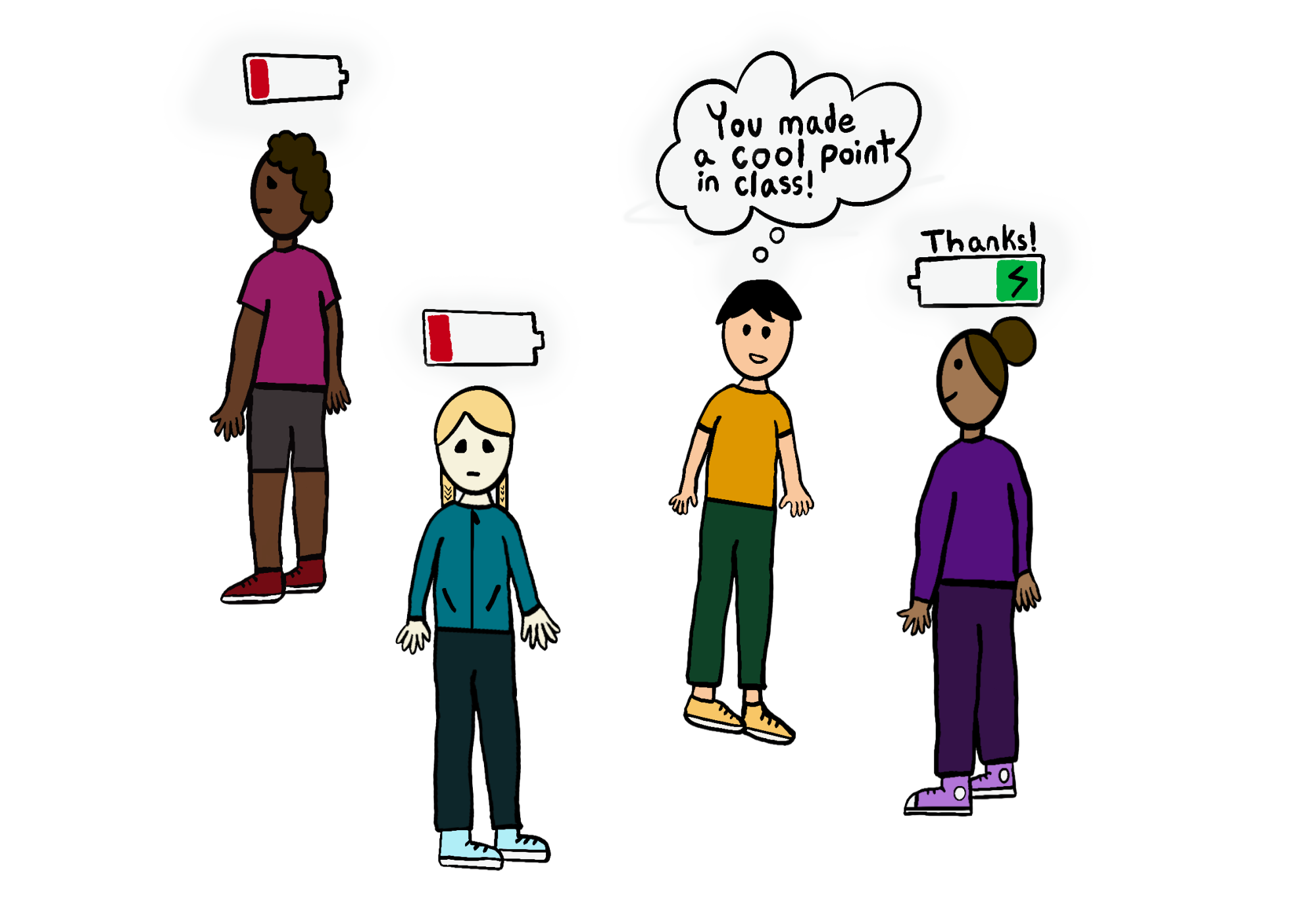
It takes effort to make a compliment effective. Often, compliments are superficial, only appreciating visible traits. “I like your outfit” may land differently for some than “I appreciated what you said during the discussion” or “thank you for making me feel welcome.”
These are examples of impactful compliments – what someone does or how they make you feel.
To experience the full benefits, compliments must be genuine. It is important to note that compliments are more meaningful when they are specific.
Compliments are a communal experience that benefit everyone involved. Both giving and receiving compliments releases dopamine. Giving simple praise brightens someone’s day, and with a little extra effort, can improve someone’s studies as well. During high stress times like the end of year exams, a compliment can be just what is needed.