“Minnesota Nice” to “Minnesota strong”: kindness and community prevail during times of crisis

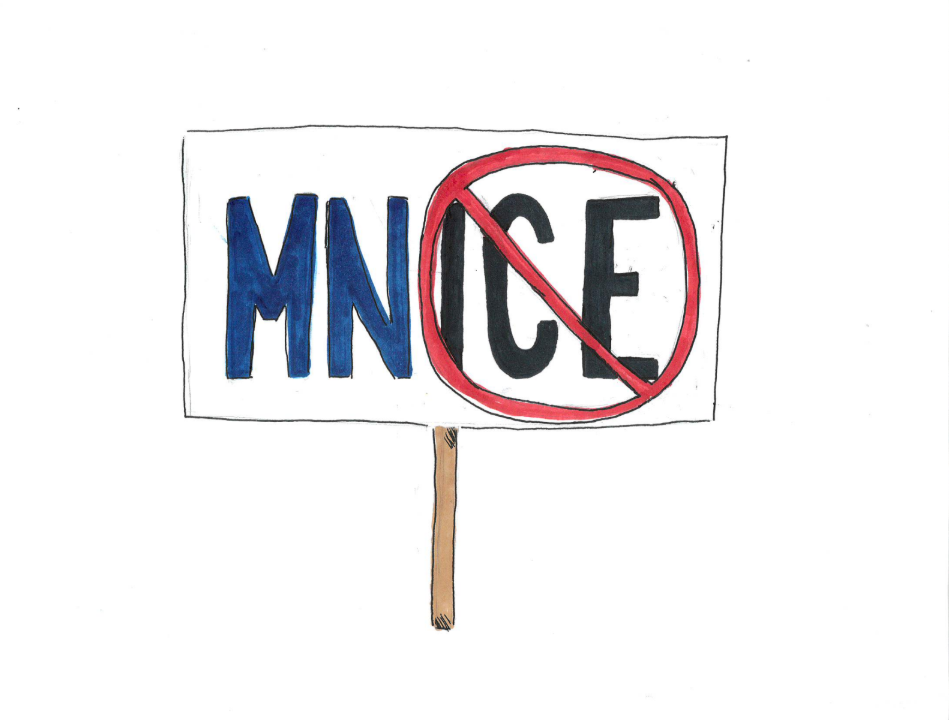
In light of strain among certain demographics in Minnesota, community and kindness have mattered in Midwestern neighborhoods more than usual. The political heat following Donald Trump’s second occupancy of the Oval Office, much of which has recently taken place just across the river on the streets of Minneapolis, has raised the question of what it really means to be “Minnesota Nice” and whether or not that is thrown to the wind in times of tension. “Minnesota Nice”: What is it really? Is it passive aggression? Is it unconditional kindness?
The concept of “Minnesota Nice” encapsulates the warmth and politeness of Minnesota residents, evident from the moment someone steps onto Minnesotan soil. This expands to the Midwest, where the charm includes characteristics like “buddy” being a common nickname for strangers in one-time interactions, or smiling at passersby on a walk.
These common gestures of friendliness aren’t unusual practices of Minnesota residents, but new faces of the Minnesotan coin have been shown in recent months. The point of the label “Minnesota Nice” is that Minnesotans are nice to everyone. Is this something that can be ignored in such moments of confusion and anxiety?
The deployment of thousands of U.S. Immigration and Customs Enforcement agents and border patrol officers in the cities of the United States has been a top conversation globally and the general attack on human rights has been a bold and screeching headline throughout the general majority of Trump’s second term in office.
Recently, the more intense saturation of ICE in Minneapolis, St. Paul and the surrounding suburbs in Minnesota has drawn the attention of mass numbers of eyes and ears, American and otherwise, to current ICE operations in Minnesota. ICE agents have flown in from states all over to carry out acts of violence against the people of Minnesota. Immigration enforcement’s original purpose in government was to conduct criminal investigations and lawfully and legally enforce immigration laws, but the current state of ICE’s occupation in the U.S. and in Minneapolis is reflecting the textbook definition of domestic terrorism: “the committing of terrorist acts in the perpetrator’s own country against their fellow citizens.” Immigration enforcement and border security officers are now going to great lengths to violently and often illegally rip down the population of Minnesota, immigrant or non-immigrant, legal or illegal and are doing it all under the guise of following legal orders.
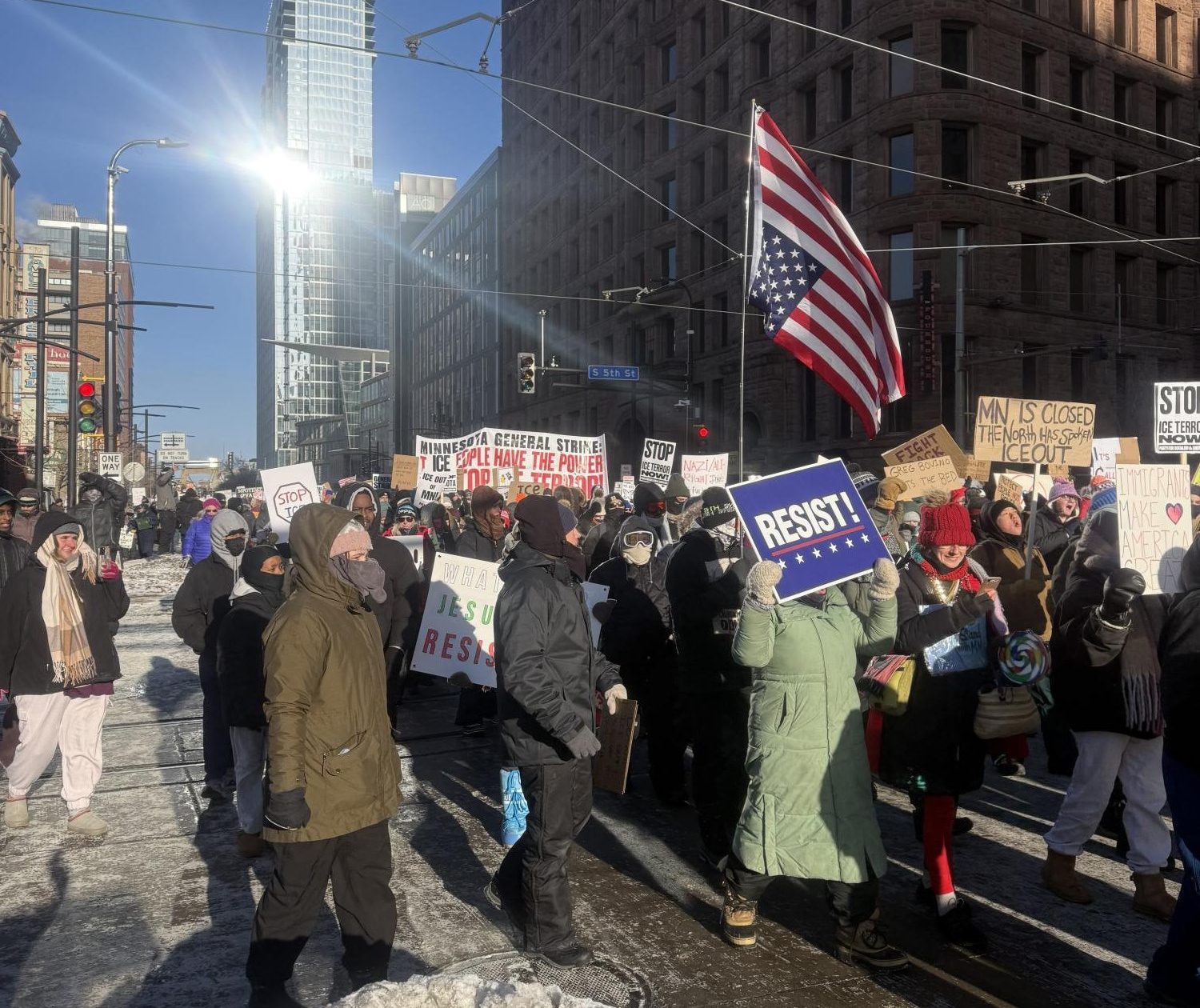
However, despite countless attempts at suppression, Minnesota has fought back. The Twin Cities community is coming together, posting on social media, organizing protests and statewide strikes and holding vigils in honor of the innocent people who have fallen simply for existing or speaking up. These tragic attacks targeted at sanctuary states like Minnesota have proven the true bond of people who don’t believe that human rights and democracy are things to be negotiated or taken away, especially not by the government of a country that was born from folks running from tyranny and kingdoms themselves.
Minnesota has proven that, in wake of violence and power abuse, the people hold the power. Coming together in peaceful ways is powerful; speaking out is powerful; spreading awareness is powerful; being kind is powerful. The First Amendment grants the rights to assemble and petition the government and Minnesota is doing just that, despite the scary force with big guns and haughty titles attempting to silence and fearmonger. “Minnesota Nice” hasn’t gone away because of the hatred seeping through the cracks of Americanism — if anything, it’s brought people closer together in the face of violent occupations. Minnesota’s unconditional kindness has brought the state’s residents together from day one. When American democracy is being compromised, it’s a little easier to band as one when people are already kind to one another.
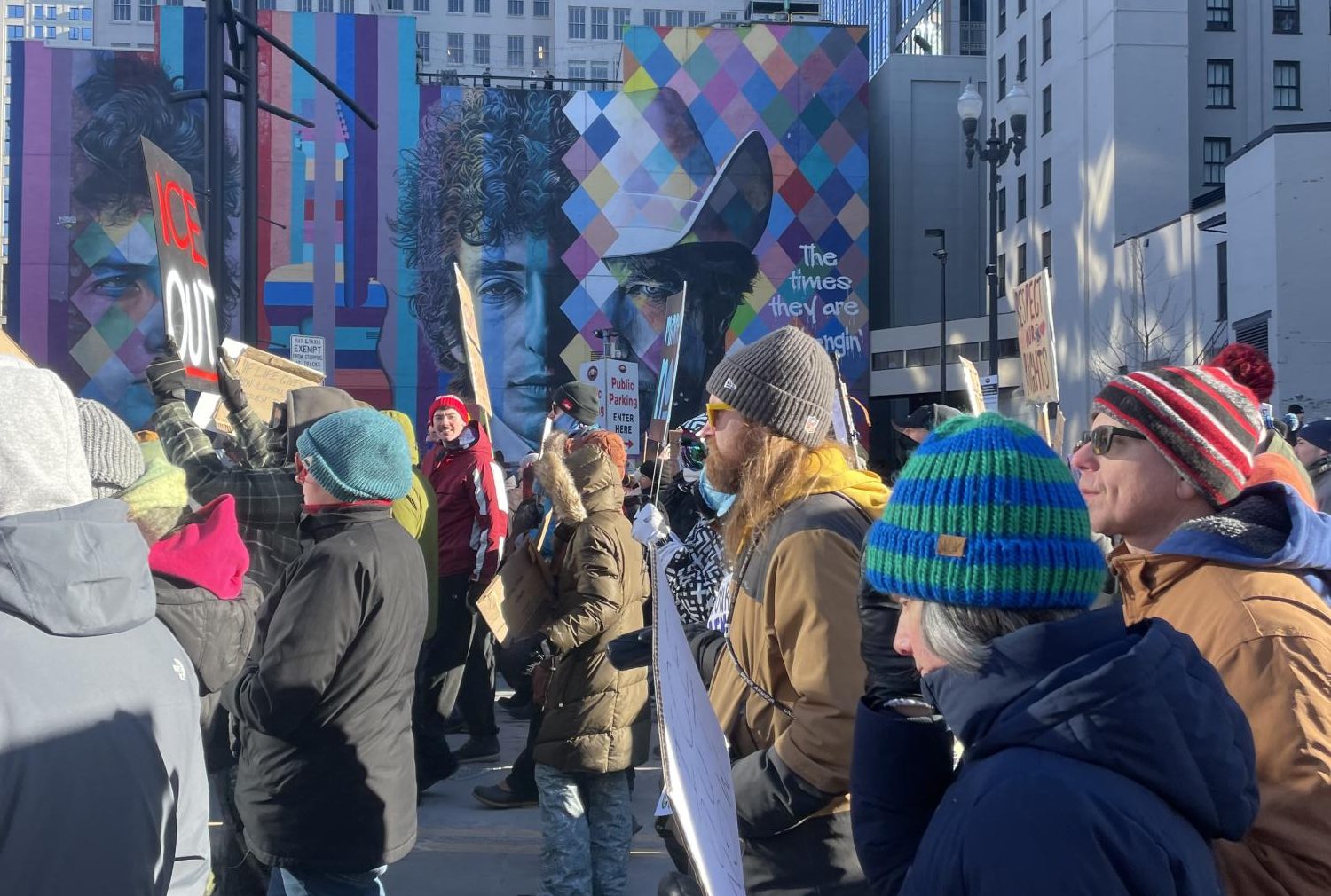
Minnesota is a progressive state, it always has been. It was one of the first states to send troops to the Civil War, it has always been very open with abortion rights especially following the overturning of Roe v. Wade in 2022 and now, following the violent occupation of Immigration and Customs Enforcement (ICE) in the Twin Cities, residents are initiating general strikes and coming together to protest in the streets of downtown Minneapolis.
This past Friday, Jan. 30, marked the second general strike in Minnesota this year. This strike included the closure of some businesses, people taking days off from work and school to assemble and give back to the community, and an economic freeze that reduced or fully cut the money people were spending at big corporations. Small businesses are an undeniably important and powerful part of Minnesota and this strike has given many local entrepreneurs the opportunity to hold power within the state economy while showing support for immigrant communities in the Twin Cities.
One of the primary goals of the strike was to emphasize that small businesses are crucial to the federal economy while redirecting money away from large corporations, especially those that have openly supported the Trump administration and ICE operations. By closing small establishments, cutting spending at large corporations and taking to the streets to protest against ICE, it became important to recognize how essential locally owned businesses are, both in communities and in Minnesota’s economy. Additionally, the economic aspect of the strike shed light on how deeply the ICE’s presence in the Twin Cities and the surrounding suburbs affects Minnesota; many business owners are willing to close their businesses to make the point that ICE agents are not welcome.
Another main goal of the strike was to give immigrant-owned and Minnesota-local establishments an influx of business. Typically, people support immigrant businesses by posting their locations on social media or highlighting them in blogs, but because of ICE’s presence in many areas, this method may not be safe. To support the strike in a different way, participants were strongly encouraged to patronize only immigrant-owned businesses for meals, groceries and other shopping. Many businesses run by immigrant families potentially could not afford to close their business for a whole day to strike ICE, so in solidarity and to support, people made it a priority to visit. Minnesota is home to many immigrant and refugee communities, including large Somali, Mexican and Hmong populations in the Twin Cities, along with numerous other ethnic communities. Supporting these businesses not only provides economic assistance but also allows residents to engage with diverse cultures throughout the state.
The population of Minnesota has come together for multiple consecutive weeks to protest ICE’s violent occupation of Minnesota. These actions have given small businesses a chance to contribute to the economic freeze, enabling businesses owned by immigrant families to gain more traction in a safer way than posting on social media. Together, these efforts represent new and powerful forms of protest, to show immigrants and refugees in Minnesota that they are supported and protected.