
While most students are still in class in May, seniors are already gone. For the last month of high school, seniors are spending their days doing the things they are passionate about, trading classrooms for barns, construction sites and jazz clubs.
The senior project runs for roughly a month and comes with a set of requirements. Students need to log 27 hours a week on their main project, though that number drops to 20 if they add a supplement, an optional activity like a job, an art class or a sport that fills the remaining seven hours. On top of that, everyone completes 12 hours of community service.
For many seniors, the month feels less like a school requirement and more like a first look at what comes next. This year’s projects range from shadowing structural engineers to performing trombone across the Twin Cities.
Elle Williams: Horses and Animal Humane Society
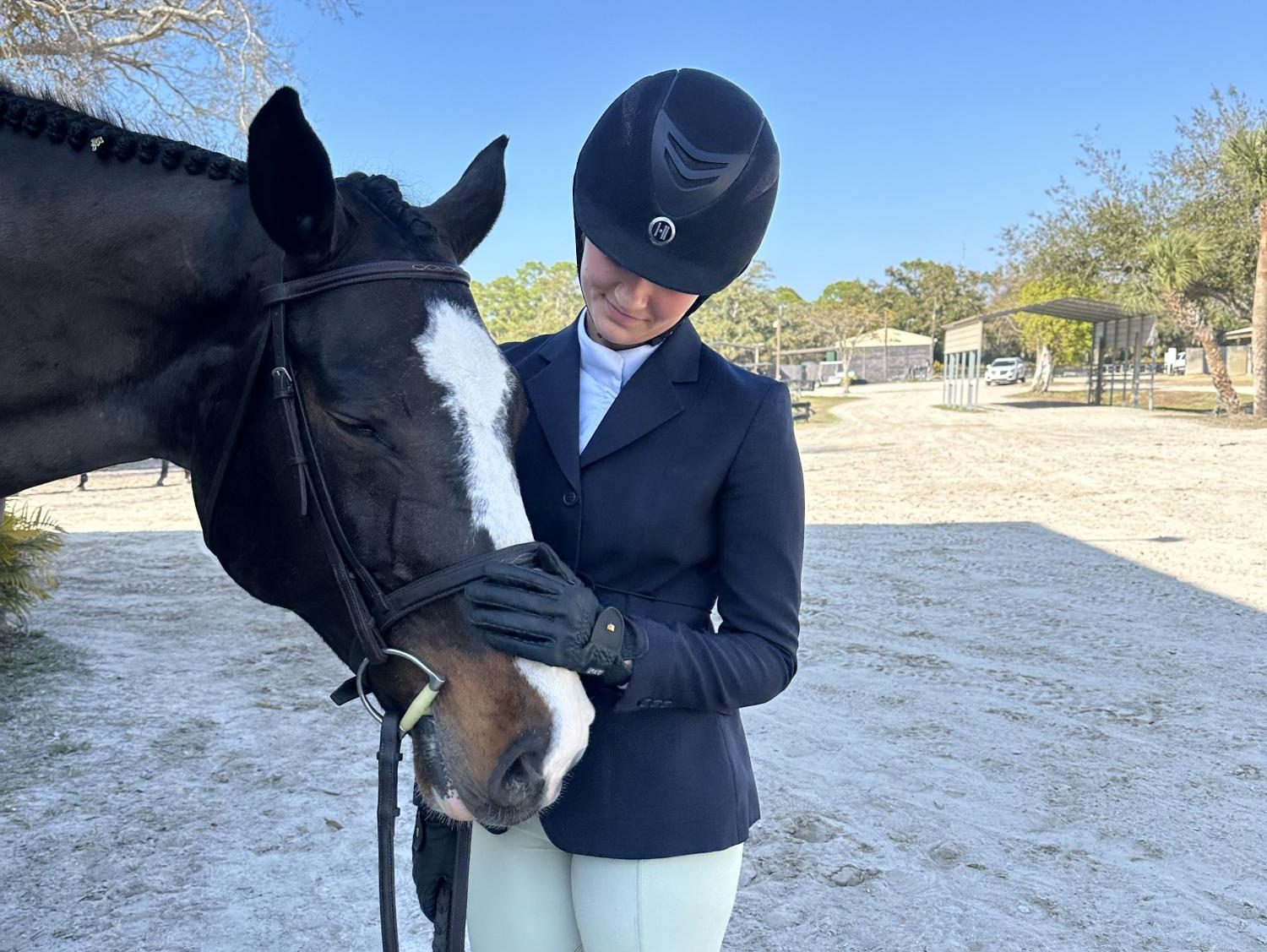
Elle Williams has been a devoted horse rider for four years. For her senior project, she’s heading to her barn to compete, help her trainer and learn more about horse care. She leases her horse and knows the routine, so in some ways the project is just more of what she already does.
“I just wanted to spend more time at the barn,” she said.
Williams will put in 20 hours a week on equestrian work, with her remaining seven supplement hours going toward ceramics at school. For her 12 volunteering hours, she’s heading to the Animal Humane Society. She started thinking about her project around four months ago, though the supplement piece took a little longer to figure out.
Williams believes the senior project makes sense and the timing couldn’t be better since they are already “senior sliding.” “I just think it gives an opportunity for students to do what they’re actually interested in before they have to go to college,” Williams said. For future students preparing for their senior project, “Make sure you do something that you are passionate about,” she said.
Johnny Rog: Structural engineering and Habitat for Humanity
While some students are staying close to their long-time passions, others are using the month to step directly into potential career paths. Johnny Rog is shadowing a structural engineer working on a bridge in Minneapolis. He will spend the month watching how a large municipal structure gets designed and built, the behind-the-scenes work most people never see.
“I’m just going to learn all the behind-the-scenes stuff,” he said.
Rog is planning to study structural or architectural engineering in college, so the project lines up with where he’s already headed. He’s been gravitating that way for a couple of years, leaning into STEM electives and engineering-specific courses. For students considering a similar path, he recommends production engineering, advanced mechanics and as many math courses as possible.
Similar to Williams, Rog will work as a busser at Dellwood Country Club for his supplementary hours. As for volunteering, he and a group of friends are planning to put in shifts at Habitat for Humanity over a few days.
Roman Farley: Music education and performance
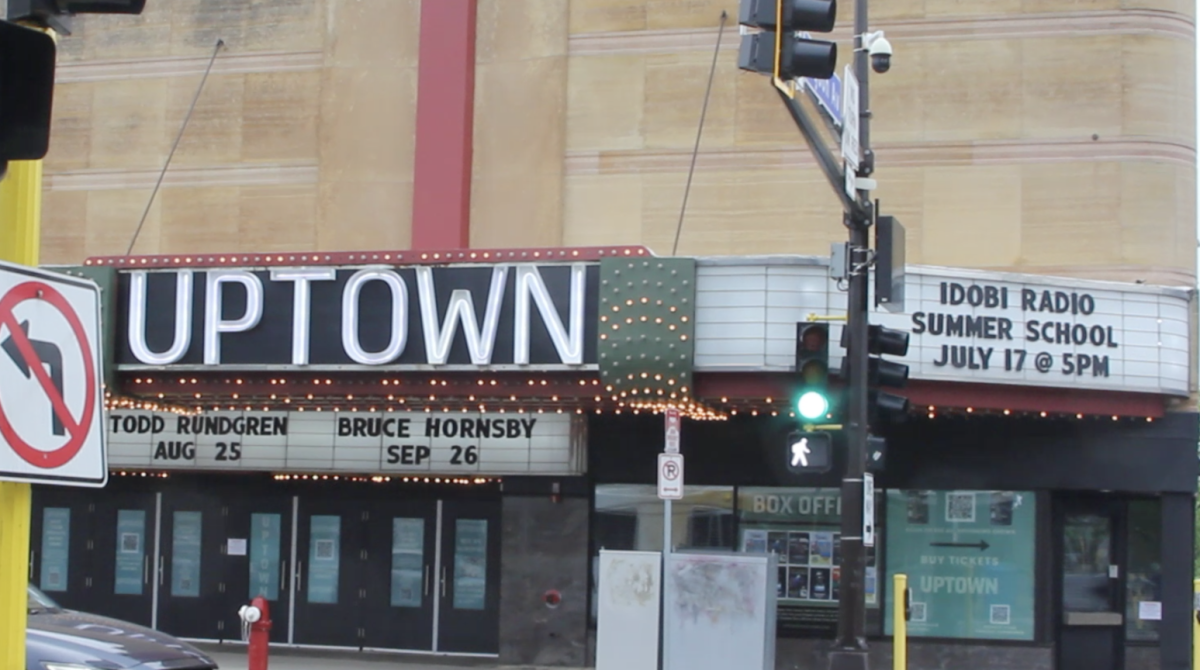
Another senior volunteering at Habitat for Humanity, Roman Farley, is building on his strengths in music. As a part of the Juan Miguel Quartet, a jazz quartet he’s been playing with since his sophomore year, Farley has been gigging around Minneapolis for a couple of years.
For this month, Farley will be going out with his music teacher, a working professional musician, to perform at venues around the city. He’ll also help out at a recording studio, do focused practice in between and may record for another student group putting together songs.
Farley’s first professional music experience was with the Juan Miguel Quartet, where they had a two-hour gig at MetroNOME Brewery. The Juan Miguel Quartet just recently performed at the JEA/NSPA National High School Journalism Convention in Minneapolis.
Farley is not sure yet whether music will be a career path he chooses to follow, though that’s part of what this month is for. What he does know is that playing with others keeps his joy for music alive.
Farley’s advice for younger students stressing about future projects: don’t overthink what sounds impressive. “Do something you like,” Farley said, “and it’s already going to be a really interesting and awesome thing.”
Senior projects are a great opportunity for seniors to explore their interests and figure out their next steps after high school. Ranging from equestrian to jazz clubs, the options are unlimited.
![CALCULATING THE CHANGES. As study habits have changed, the materials used have changed too. "I remember the day when [my brother] came home with his graphing calculator, [which] had Mario. And I was blown away," Spanish teacher Peter Daniels said. (Photos: Fair Use; Wikimedia Commons)](https://www.rubiconline.com/wp-content/uploads/2026/05/Untitled-design-4-1200x800.png)