
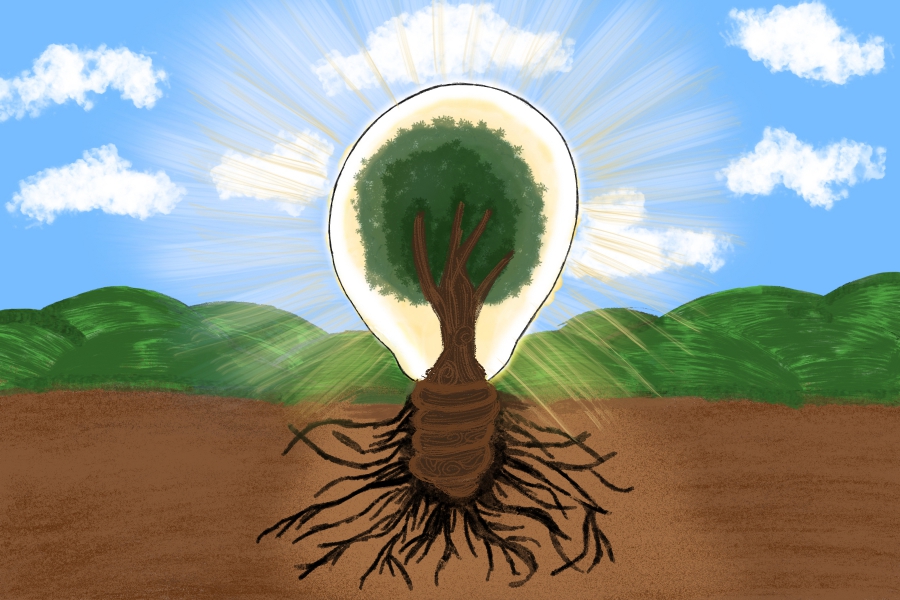
Renewable Energy has been marketed as the oasis of clean energy, but what if this wasn’t the whole truth? Renewable energy has existed in our global economy since as early as the 16th century, specifically in the Netherlands. One of the largest sources of energy at the time was generated by windmills. Then by the late 20th century, it was everywhere in the world, especially the United States, as climate change continued to grow as a problem.
In truth, clean energy, specifically, renewable energy, is very sustainable and efficient when it’s working; however, the process that goes into constructing them is less sustainable. The latest example of this is the Boundary Waters.
The Boundary Waters Canoe Area (BWCA) has some of the cleanest water in the United States, due in part to a mining moratorium imposed by the Biden administration. However, last Thursday, the Senate overturned this law in a 50-49 vote, jumpstarting the long-delayed mine proposed for the Superior National Forest near the Boundary Waters. The Chilean company plans to mine copper and nickel, two critical elements for the functioning of solar panels and other sustainable energy sources. The mining will contaminate the groundwater and just disturb the nature that makes the Boundary Waters what it is.
There have been other events such as local protests to newly proposed power lines in northern Minnesota. Yet these conflicts are largely unknown beyond the people directly affected.
These events all come as Minnesota strives toward its 2040 goal: establishing carbon-free electricity and becoming 55% renewable energy. Currently, our state is approaching those goals at a steady pace, with around 52% of energy coming from carbon-free sources and 28% from renewable sources. However, these massive projects require extensive planning to redesign the electrical grid and other power grids. These redesigns will help the state become more sustainable in the long run, but for locals where these lines are being constructed, it’s hurting the natural environment and disrupting the natural flow of their ecosystems.
Even with all the risks and immediate problems the Minnesota Clean Energy Initiative imposes on the average Minnesotan, the state still needs to move forward with it. Currently, according to NOAA approximately 445,000 Minnesotans are in regions with drought and last March was the 35th driest March in Minnesota since 1895: down 0.32 inches of precipitation from normal levels. The most impactful statistic is that over 25% of the state is currently experiencing abnormally dry weather.
Given the extensive impact of climate change on our local ecosystems, it is extremely important to implement clean energy and carbon-free initiatives immediately. While they might not be completely harm-free, they are far superior to letting our state of 10,000 lakes be stuck in perpetual drought.