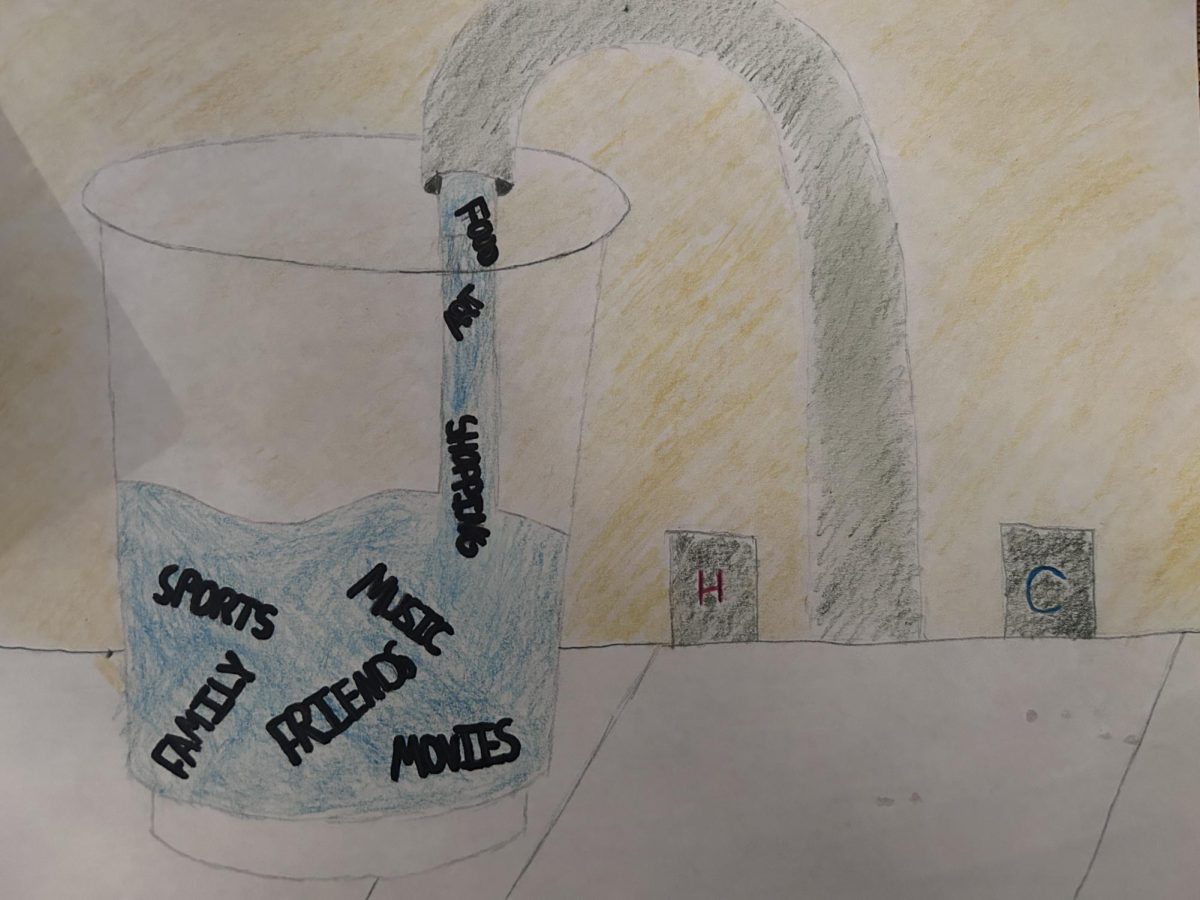


As the first semester comes to a close, finals become a source of stress for almost all students. According to the University of Colorado Boulder’s Health & Wellness Services, students often feel overwhelmed not just by the workload, but by the pressure they put on themselves. Studying effectively can’t happen in a negative mindset, characterized by nervous energy, exhaustion and negative self-talk, all of which are often products of excessive pressure. Changing one’s mindset, setting boundaries around study time and remembering that grades don’t define a student are necessary steps for a successful outcome. These recommendations challenge the belief that success requires sacrificing sleep or free time. Still, many students believe that achieving a healthy balance between studying and free time is not possible.
Research further supports that balanced study habits, not cramming, lead to better academic results. According to a study in the National Library of Medicine, sleep is essential for memory consolidation, meaning students actually remember what they studied more when they get consistent rest. Depriving yourself of sleep reduces cognitive performance, focus and problem-solving ability, all of which are extremely important during finals week.
The culture of overworking hurts students more than the finals themselves. During finals week, a recurring conversation topic arises among students discussing how little they slept and a general sense prevails that suffering equals productivity. However, in reality, pushing yourself to the limit doesn’t guarantee success; it usually guarantees the opposite. Burnout makes it harder for students to focus, stay motivated and remember the content they have studied. Students should not accept the idea that actually being a student means giving up all their time, health and joy for a test. Finals are important, but they don’t make up your identity.
The biggest shift students can make is recognizing that taking care of themselves helps them perform better. Rest resets the brain, breaks prevent mental fatigue and boundaries keep studying sustainable. These habits allow for more productive study sessions, where you will retain most, if not all, of the content that you are studying. One study strategy that makes studying both more effective and productive is the Pomodoro Technique, which involves short, focused study sessions, consisting of 25 minutes of work followed by a five-minute break. This approach not only reduces stress but also enhances learning effectiveness.
Finals will never be completely stress-free. But they also don’t have to consume a student’s entire lifestyle. When students set boundaries, take care of their physical well-being and prioritize balance over burnout, they prepare more effectively and protect their mental health. As finals approach, study hard, but also make time for activities you enjoy. Make sure to take care of yourself and remember that life’s worth is not measured by competition or grades.