

The Twin Cities have captured a national audience as Minnesotans across the state band together for a common cause. With the heightened U.S. Immigration and
Customs Enforcement presence in Minnesota, residents have protested and spoken out against the violence and the impact that ICE is leaving on communities.
Protests in downtown Minneapolis have been among the most powerful statements and an important way for Minnesotans to remain a strong and connected community. While protests are essential, they are not the only way to push back against ICE’s violence and ideals.
Sometimes, the smaller ways of helping are just as important. The idea that if one does not attend a protest, they do not want to help is not always true and often does not foster connection and community, which are crucial in times like these.
As a high school student, achieving autonomy over decisions and actions is often difficult, whether because of parental control or even a lack of transportation.
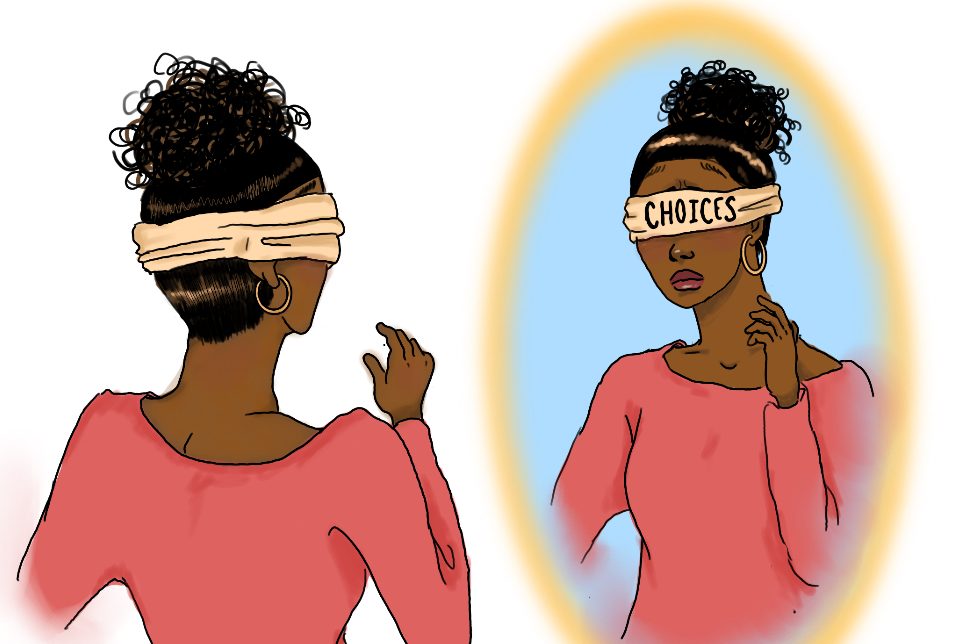
High school students cannot always make decisions for themselves and this should be taken into note before assuming someone does not care. Many parents are nervous about the violent tendencies that ICE agents have demonstrated and do not let their children attend protests; however, this does not mean that students do not help in other ways.
At the upper school, it is obvious that students are getting involved in other ways when looking at the organized diaper drives and bake sales that donate to families affected by ICE activity. Age, ability and race can all pose a challenge when making the choice to protest, and making someone feel shame about not going to protest is not a way to keep the people connected and on course for a common goal.
Taking the time to help, even in a small way, is more important than feeling guilty about not being able to act in one single way.
If someone has a limited decision in the choice of whether or not to go to a protest, it is important that the outcome does not change one’s attitude about speaking up and helping out in the ways that one can. While the choice to not protest is not necessarily silence, doing nothing about an issue is.
If one cannot act in a specific way, remember that they could act in many other ways that make a difference. Whether buying something at the bake sale, dropping something off at a donation drive or finding a way to contribute outside of school, everything matters and contributes to communities in need, working toward change.
When the option to protest is taken away, it does not mean that the option to act is also removed.