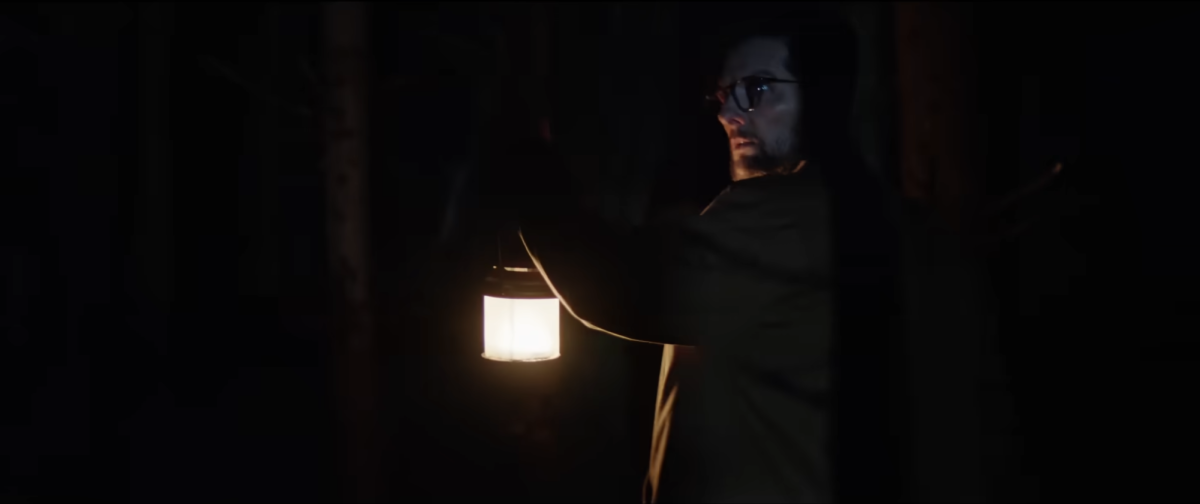
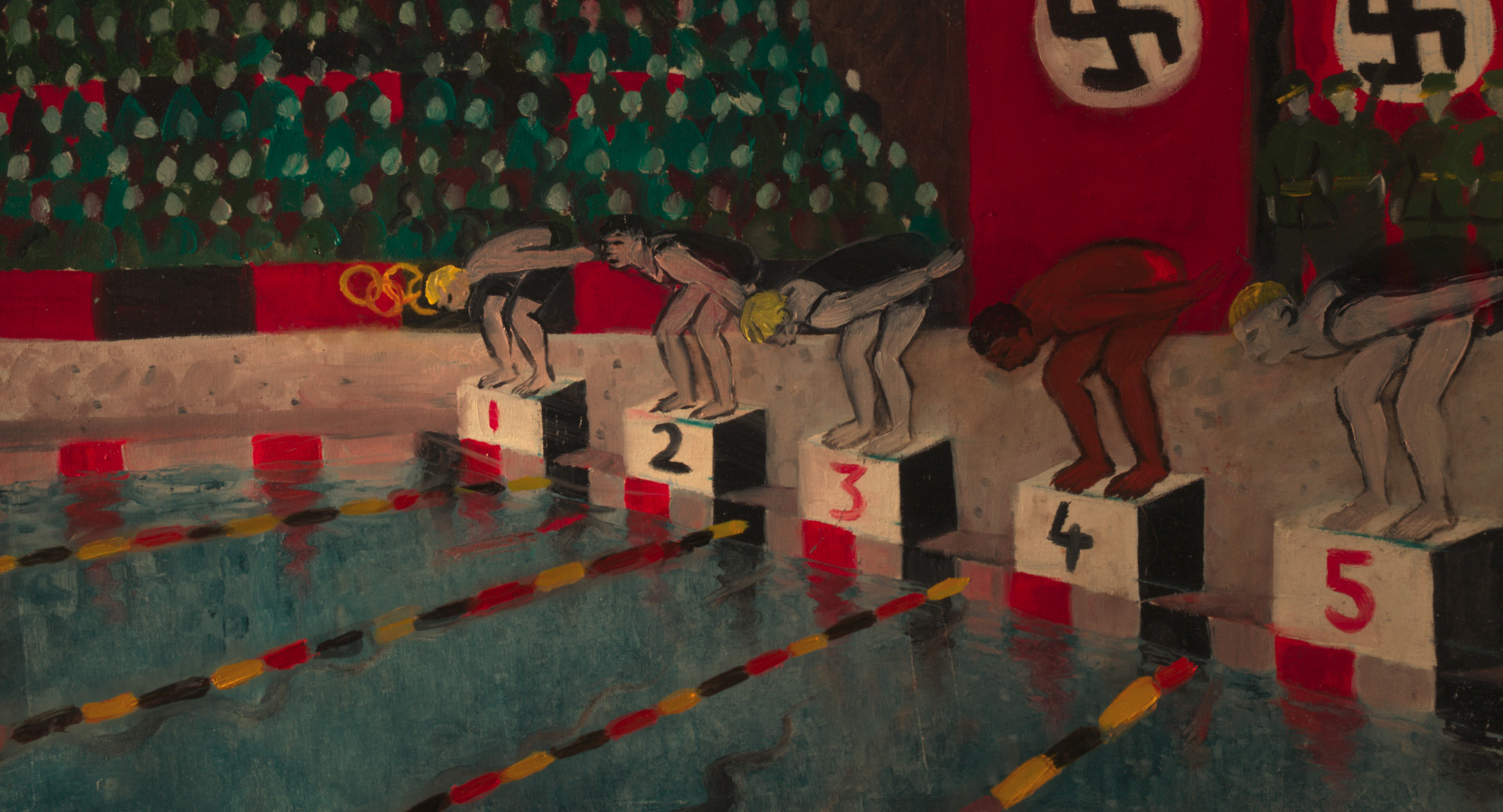

“Papillon” is an artfully illustrated history of the career of Alfred Nakache, a French-Israeli swimmer who competed for France in the 1936 Berlin Olympics and 1948 London Olympics. “Papillon”, meaning “butterfly” in French and Nakache’s best stroke, shows his experience learning to swim and becoming a professional swimmer. The film emotionally illustrates Nakache’s biography as a Holocaust survivor and the impact that had on his flowing life story.
Throughout the short film, oil paint on glass captures the fluidity of the water, giving the film a flowy essence as the current in each scene transitions into each other. As a child, Alfred feared the ocean and is mocked by his friends for it. His mother tells him to keep trying; “See Artem,” she says, “there is nothing to be afraid of, little fish.”
“Papillon” is rooted in memory as well. As described at the end of the film, director and artist Florence Miailhe took swimming lessons from Alfred’s brother. Florence was also family friends with Alfred himself. The film is both historical and personal for Florence, as she grew up swimming at the same beaches Alfred did, in the south of France. “Papillon” appears as a biography but is based on childhood experiences.
“Papillon’s” beautiful oil paint blends together the waves created by Alfred’s butterfly stroke and the bars of the Auschwitz internment camp where he was separated from his family. The film combines Nakache’s vivid childhood experiences and the even more vivid trauma he experienced at the camp.
The film ends where it began, in a swimming lesson scene. Alfred says, “Come on, little fishes – no fear.” bringing the story full circle from student to teacher, child to caretaker.
“Papillon” meaningfully shows the effects of the Holocaust through Nakache’s artistic biography. It shows how those who survived were often left with mental scars that follow them for the rest of their lives. But even after these experiences, little fishes and butterflies still remain.