

Echo chambers, an often-forgotten side of social media, are becoming increasingly prevalent with the introduction of artificial intelligence and the widespread sharing of individual data across the internet. These pitfalls of social media can be extremely dangerous, as they disrupt many people’s views, leading to biased or inaccurate content.
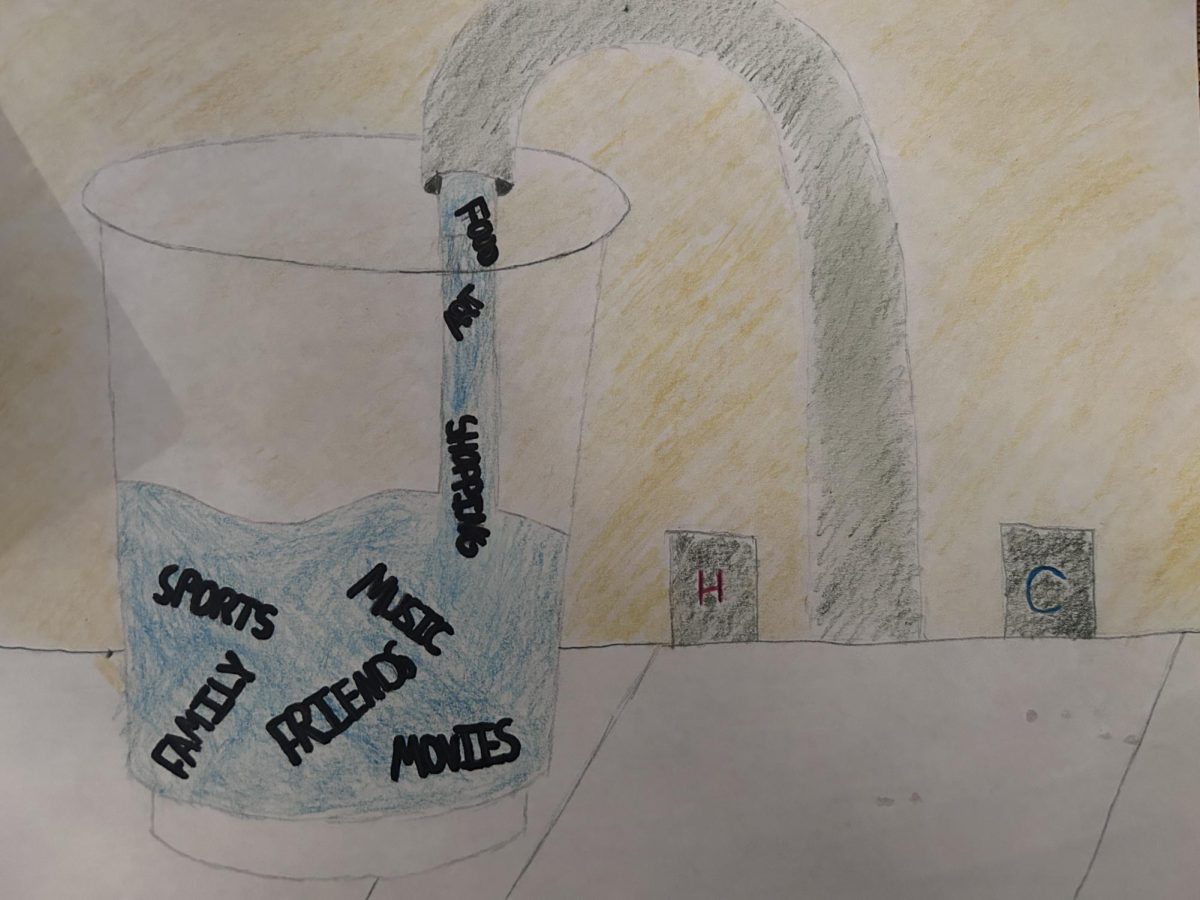
An echo chamber is an environment on social media platforms where a user is drawn into a single, often biased, source of media. Preexisting beliefs often get reaffirmed, while content that challenges a personal bias is filtered out. Users can become insulated and isolated from many other forms of media and diverse perspectives, leading to a general lack of knowledge regarding different viewpoints.
Echo chambers evolved alongside algorithms on many social media platforms. Because users are more likely to engage with the political content they agree with, algorithms prioritize that content to keep users invested in the platform.
It’s important to recognize when you are in an echo chamber. One of the biggest telltale signs is discovering missing information when discussing topics with others. If basic information, typically from an opposing political view, is missing from your feed, you are most likely in an echo chamber.
Echo chambers are dangerous social media pitfalls and it is important to be able to recognize that. In addition, however, it is not only important to recognize when in one, but also to find a way out.
The best way to break out of an echo chamber is to actively search for opposing viewpoints within the echo chamber. Increasing diversity across all information sources is crucial to breaking out of an echo chamber, especially on social media. Doing this makes your algorithm more balanced and shows information from all viewpoints.
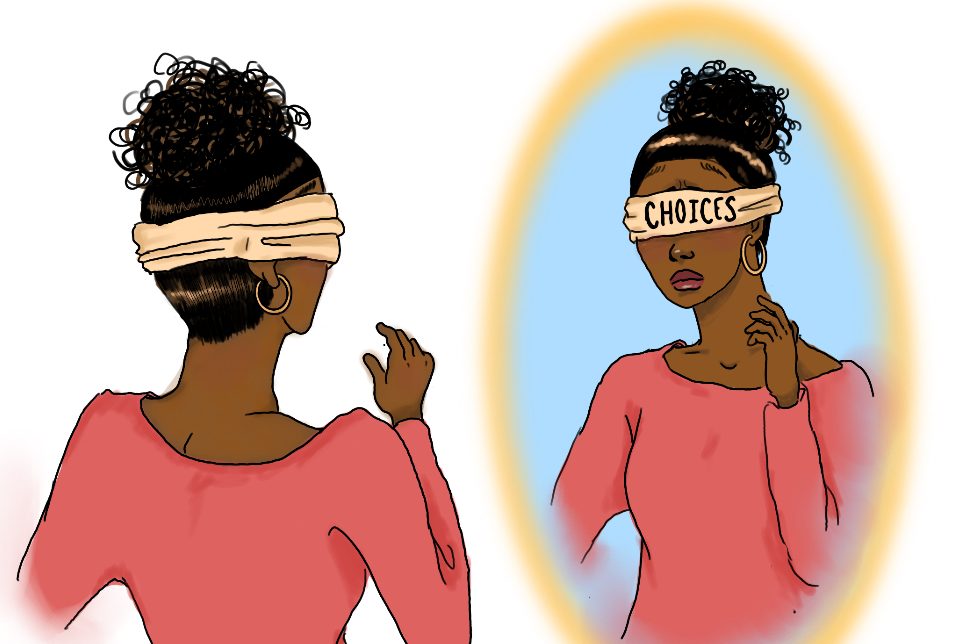
Biases are among the most detrimental effects of echo chambers. Along with providing one-sided content, echo chambers can end up showing you an incorrect, insensitive and information-lacking view of the story. This can lead to subconscious biases, which one should try to avoid, especially in situations where the topic of debate is likely more serious.