
Genetic modification (GM) is a relatively new concept that is reshaping the healthcare industry. Scientists have unlocked the possibility to modify human deoxyribonucleic acid (DNA) and potentially cure diseases previously thought of as untreatable. With that, questions are being raised of how far editing can and should go. However, not using this technique for the benefit of humanity would be tragic.
CRISPR is a technology used by scientists to edit the DNA of organisms. The mechanism was adapted from a process found in bacteria, where its original use was to fend off virus inhibitors. CRISPR uses the Cas9 enzyme to cut at a specific location of the DNA and either insert a new sequence, delete a sequence or change a base pair of DNA. These alterations change the phenotype of organisms, modifying the sequences to code for specific traits.
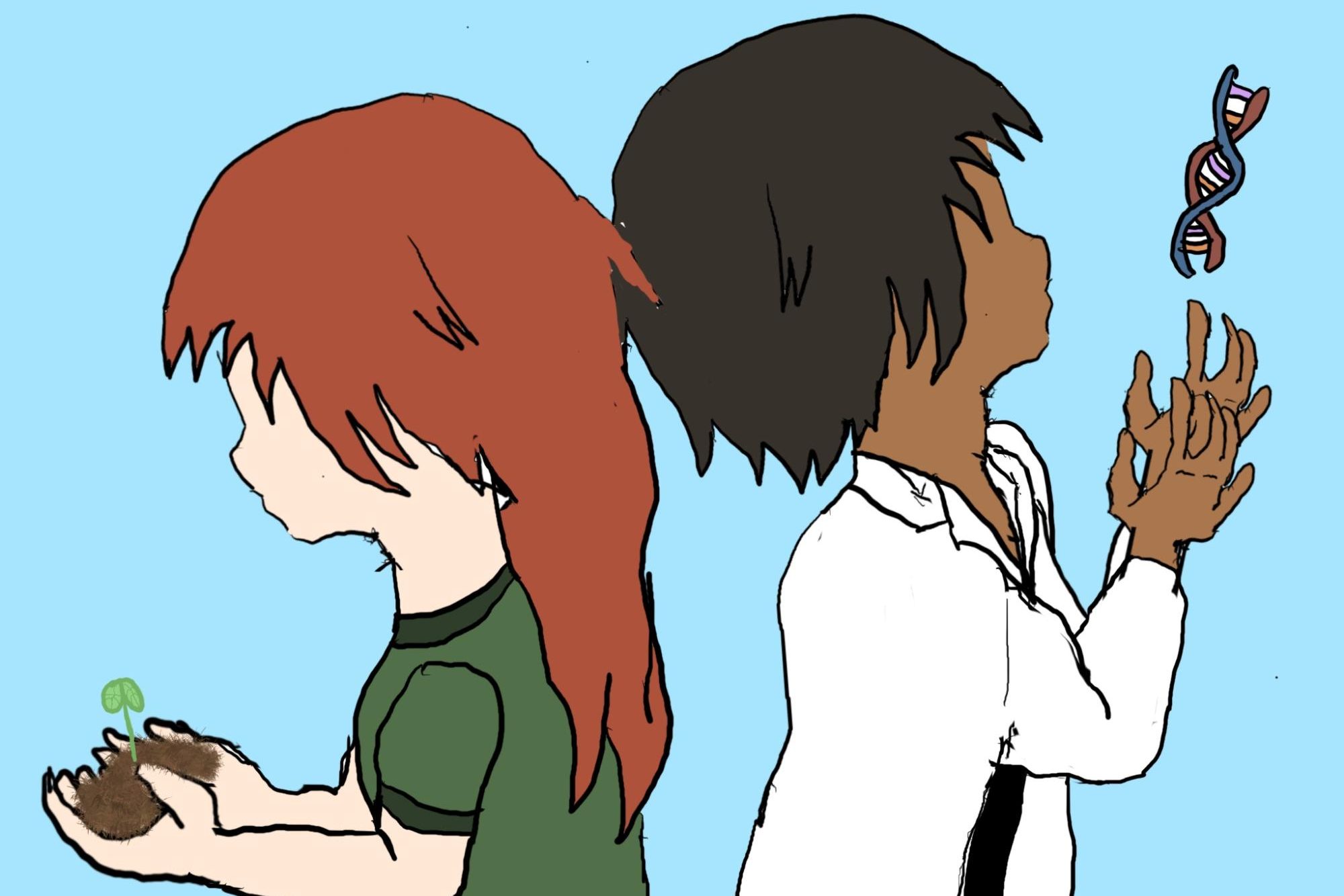
The benefits of genetic modification speak for themselves in both plants and animals. Genetically modified organisms (GMOs) are plants whose genetic material has been changed. The potential of GMOs are endless, varying from disease repellent crops to more nutritious plants. Disease repellent crops would lessen the number of pesticides used, in turn helping the environment and local ecosystems. Improving the nutritional value of food would help elevate the health of communities that have less access to a variety of healthy foods. Additional benefits include making plants grow faster, taste better and be resistant to droughts and disease. These modifications would help farmers ensure marginal profits to continue their businesses and supply consumers with more reliable food sources.
The World Health Organization and National Academy of Sciences have not found any GMOs with harmful traits for humans. The only damage would be to the ecosystem, where changes in crops could hurt the environment and have less food for insects. However, the reduction in pesticides would outweigh any downsides of GMOs.
In animals and humans, gene therapy is a common treatment that changes a patient’s genes in their somatic cells and is used to treat or cure genetic diseases. Genetic modification is essentially gene therapy but in germ cells, so the modifications would be done to reproductive cells before they develop into a baby. If utilized, GM could prevent cancer, sickle cell anemia, muscular dystrophy and more.
Despite its benefits, genetic modification, however, garners lots of moral and ethical controversy. In 2014, 40 countries discouraged or banned research on GMOs due to ethical and safety concerns. Many scientists think that the benefits of genetic modification in humans don’t justify the risks, as there is a low possibility of off-target cuts and insertions of DNA, which would lead to bad side effects.
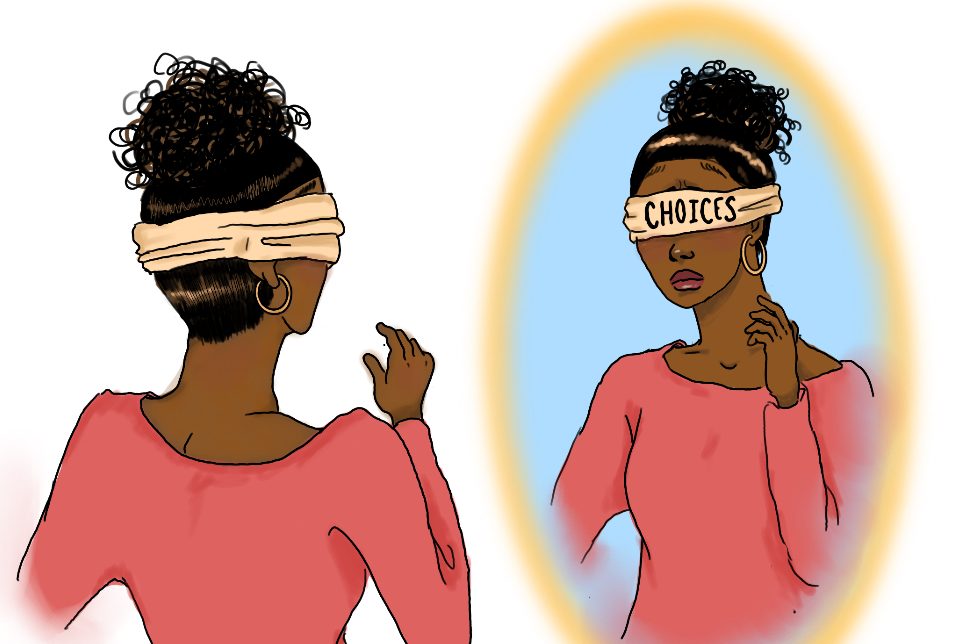
Another issue people have is informed consent. In 2018, a Chinese scientist named He Jiankui made the first twins whose genomes were edited to be resistant to HIV and was sentenced to three years in prison. He was accused of violating national regulations on biomedical research. However, his editing worked. Some think that because the patient wouldn’t be able to give consent to the editing, it invalidates the procedure. However, this argument doesn’t make sense because parents give consent for children to have procedures until the age of 18, when the gene modification wouldn’t work as effectively.
Some have an issue with deciding which genes are permissible to edit and worry that certain genes might become more desirable than others. Thus, a neo-eugenics movement is possible, but only if all theoretical regulations were dropped, which is highly unlikely. Currently gene editing is illegal, but if legalized there would likely be strict guidelines and be restricted to only certain diseases.
Parents should be allowed to edit their children’s genetics to prevent diseases and disorders that would worsen their child’s life. With that, there should be restrictions on which genes could be edited to prevent a neo-eugenics movement. Only genes that code for traits that could potentially inhibit the quality or length of life of the patient should be edited. Despite the risks, if the technology works, it shouldn’t be prohibited when it could be saving millions of lives.
CRISPR is a new technology that should be taken advantage of. With genetic modification, the quality of life and mortality rate for diseases would drastically improve, and potentially be eradicated. Plants could have improved nutritional density and need fewer pesticides, which would improve human and environmental health. To not take advantage of genetic modification would be a waste of resources and a detriment to the world to pass up on this incredible opportunity.