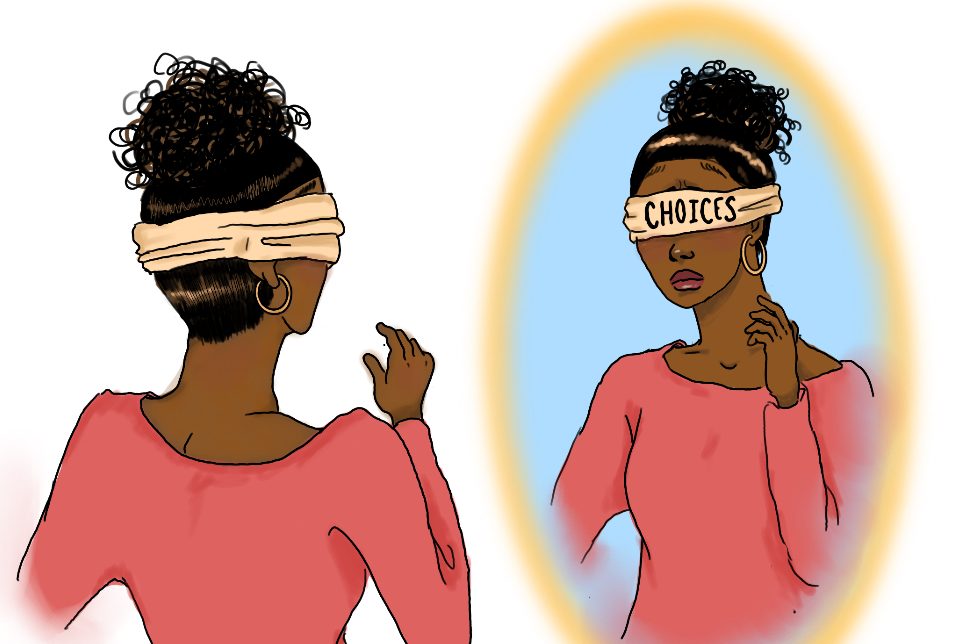

The line where appreciation turns into appropriation isn’t always clear, agreed upon or taken into consideration. Cultural appreciation versus appropriation is something to always be mindful of, as people rarely truly know the effect it might have on a greater audience. When it comes to this topic, a lack of knowledge can be dangerous because it can lead to inadequate awareness and understanding, ultimately resulting in disrespect and harm. Don’t fall into that hole. Instead, practice cultural competence.
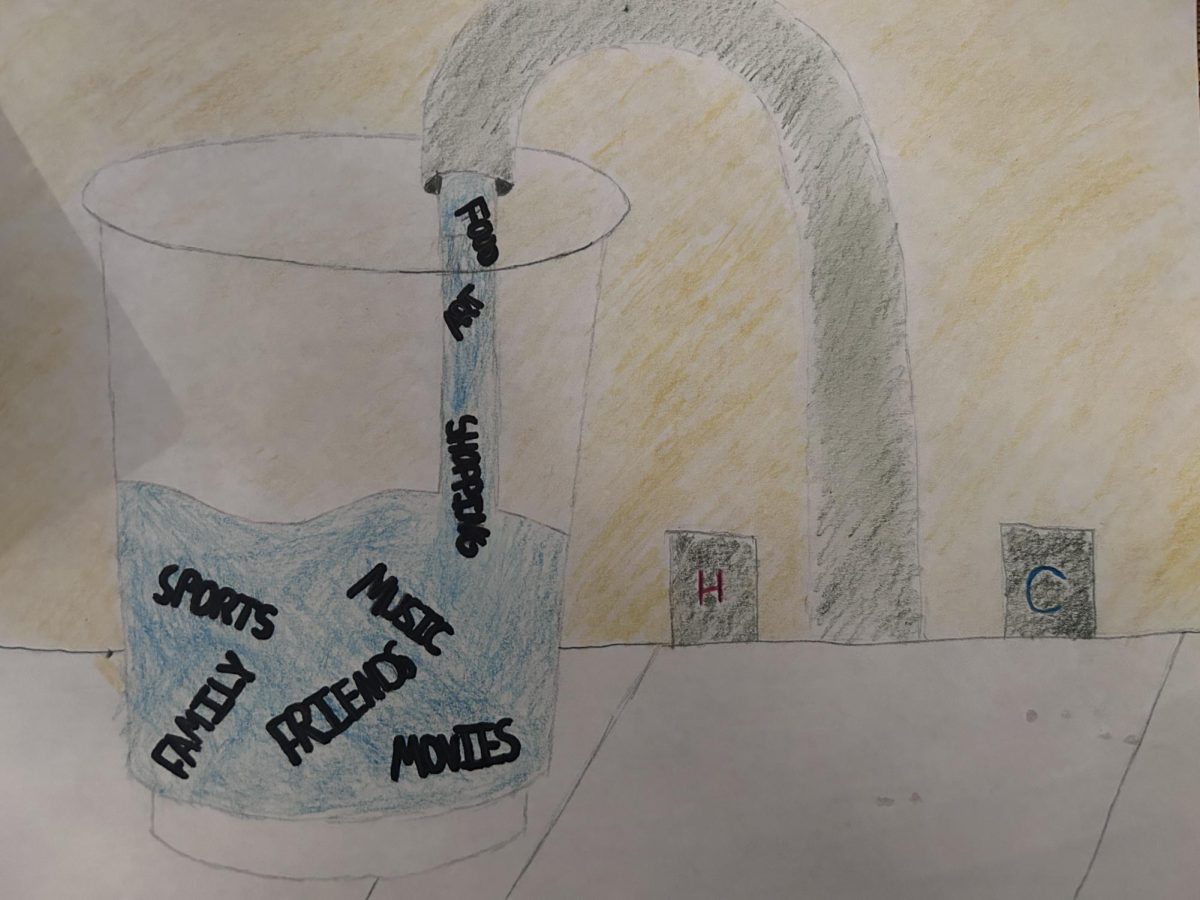
In a diverse society and in a complicated world with a rich history, culture is seen in many different forms and ways of living. Culture is how different groups of people convey their heritage throughout generations. Culture can be seen through one’s language, beliefs, food, art and much more, which help express one’s lifestyle.
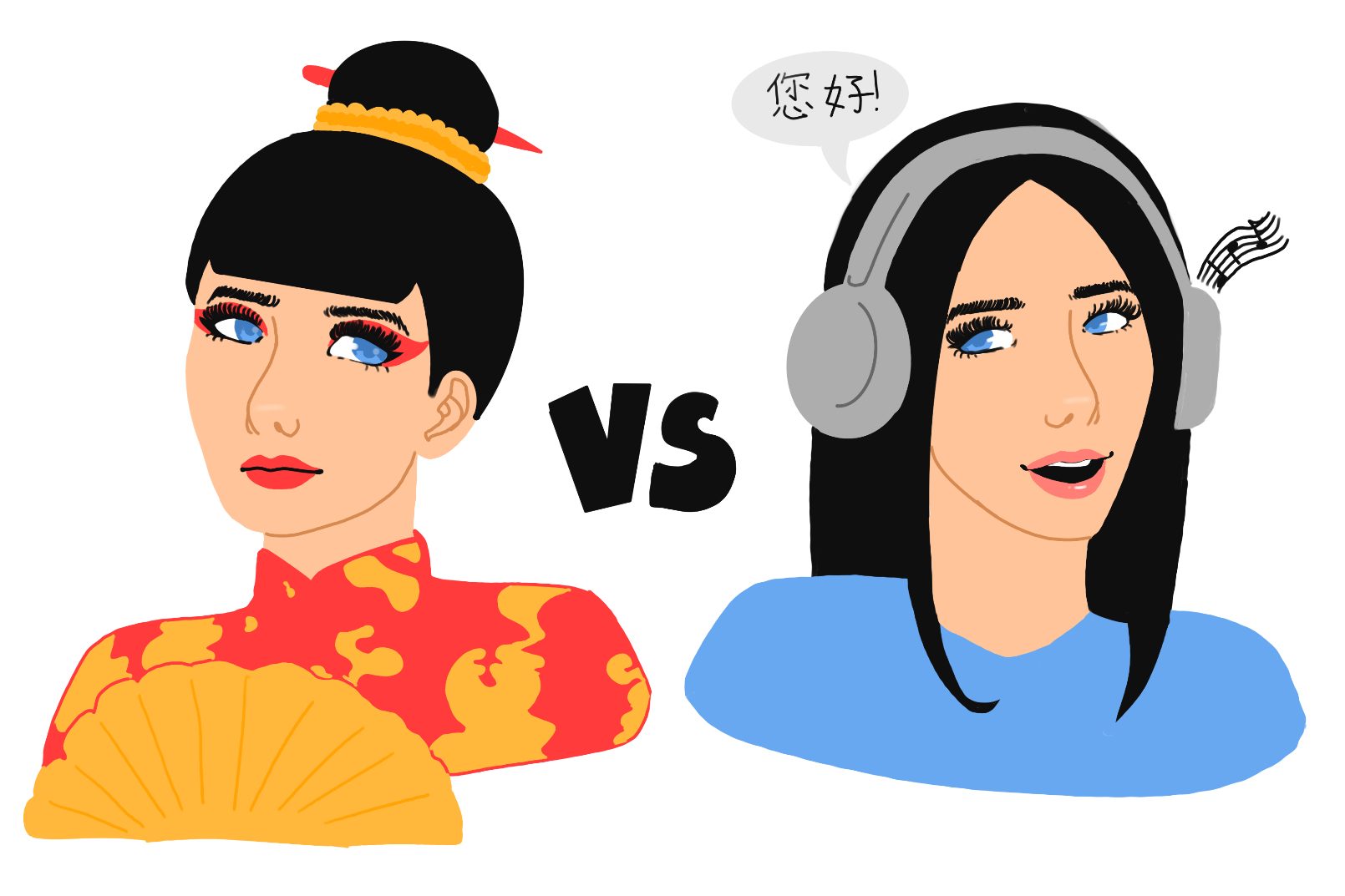
Appreciation of one’s culture is learning about its significance, history and relevance, and simultaneously displaying that respectfully. Appropriation and harm arise when a culture is not given respect, understanding or acknowledgment. Cultural appropriation happens when a dominant culture tries to take pieces of a marginalized or minority group’s culture and integrate it into their own lifestyle without fair acknowledgment or respect.
Typical examples of cultural appropriation are the use of clothes or sacred items as costumes or using makeup that mimics other cultures’ skin color. The common factor of these situations in cultural appropriation is the little care individuals have for the original culture they are exploiting.
This often begins with a lack of understanding of the significance and history of culture, and while good intentions may be present, that is not always a valid excuse when harm is caused. During Halloween, warnings about appropriation are prominent and fill school hallways. Posters remind students to be conscious about what they decide to choose as their costume. In a school with different backgrounds, religious and personal experiences, it is important to keep sensitivity in mind, especially when choosing a costume.
The distinction between appropriation and appreciation can vary among different individuals. Overall, the way people present themselves can have a greater impact on others than they may expect or intend. It is important to be mindful when trying to show appreciation for a culture. Being supportive and sensitive goes a long way when it comes to being mindful about how a costume might impact others. The safer route is always the smarter route in this case.