
“Butcher’s Stain” is a short film filled with tension and meaning. Even though it is only about 26 minutes long, the story quickly pulls the viewer into a stressful situation that prompts them to think about discrimination, identity, and how people judge others. The film was written and directed by Meyer Levinson-Blount while he was studying at Tel Aviv University’s Steve Tisch School of Film and Television. Because of its strong storytelling and filmmaking, the short film won a Silver Medal at the 2025 Student Academy Awards. It was later nominated for Best Live-Action Short Film at the 98th Academy Awards.
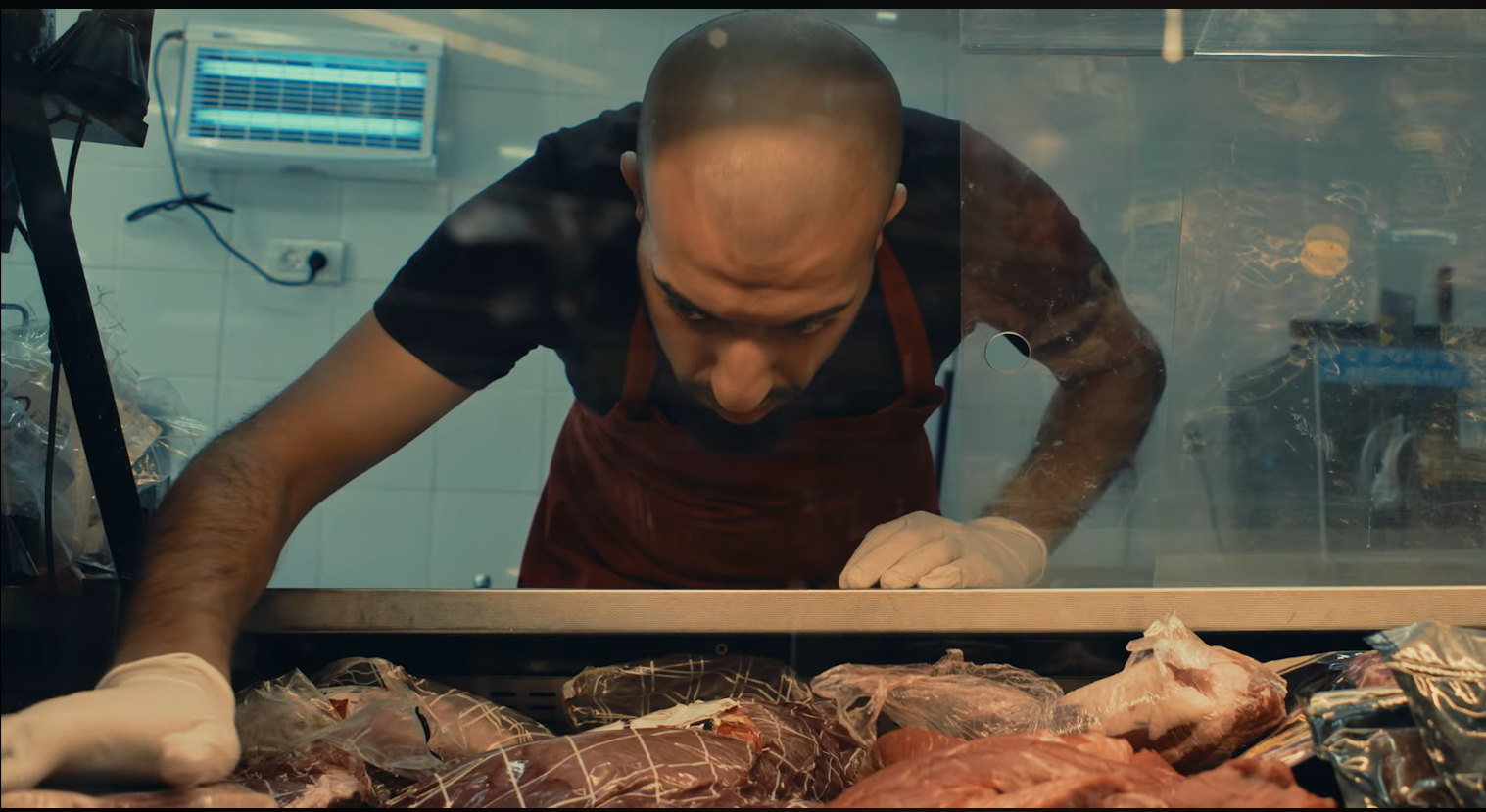
The story revolves around a Palestinian butcher named Samir who works in a supermarket in Tel Aviv. At first glance, it seems like a typical workday for Samir as he prepares meat and works behind the counter in the supermarket’s butcher section. However, the decision to make Samir a butcher may also carry symbolic meaning. In a story set during the tensions surrounding the Israel–Hamas War, his profession subtly connects to themes of violence, suspicion, and how quickly people judge others.
Nevertheless, everything changes after he is accused of removing hostage posters from the supermarket. From then on, the workplace becomes tense and divided as Samir struggles to prove his innocence and avoid being fired. The store begins to feel like its own kind of cultural battleground, where suspicion spreads among coworkers and everyday interactions become charged with mistrust.
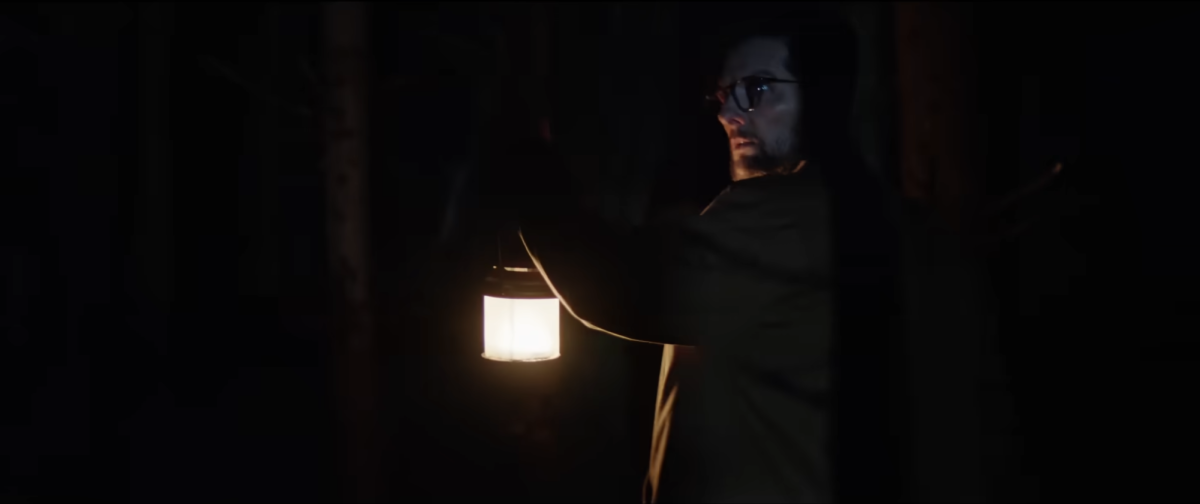
One thing that makes the film so effective is its mise-en-scène, which includes the setting, lighting, props, and the placement of the actors in the scene. Most of the film takes place inside the supermarket, which seems ordinary. But the way it is filmed makes it feel darker and more tense. The director uses low lighting to create deep shadows that lend the scenes a serious, mysterious feel. This lighting helps show the pressure Samir feels as the accusations grow stronger.
The cinematography uses close-up shots of Samir’s face or important objects in the scene to direct the viewer’s focus. These close-ups draw the audience’s attention to small details, such as a character’s expression or a subtle reaction, which helps viewers understand Samir’s fear, stress, and frustration. The camera angles sometimes make Samir look isolated, which reflects how alone he feels when others begin to doubt him.
The film’s editing also helps build tension. During calmer moments, the pacing slows, allowing the audience to focus on the characters. But during more stressful scenes, the editing becomes faster, sometimes using quick cuts that make the situation feel more intense. This change in pacing keeps viewers interested and adds suspense to the story.
Sound is another important method that is used in the film. There are many examples of diegetic sound, meaning the sounds the characters in the film can hear, such as footsteps in the store, boxes moving, and carts rolling. These are everyday sounds that make the film’s setting feel realistic. Non-diegetic sound is also used in the film, such as background music audible only to the audience. The film also uses subtle instrumental background music to create tension and emphasize the emotional moments in the story.
Many stories examine how prejudice and social tension affect people and communities. The characters in To Kill a Mockingbird face the challenges of community prejudice and unjust assumptions. These themes are also present in Butcher’s Stain, where Samir is judged unfairly by others around him. While the film takes place in an everyday workplace and shows interactions between coworkers, the conflicts are never trivial. Instead, the supermarket becomes a space where larger social tensions and prejudices are revealed.
Pay attention to the small details in the movie. Watch the characters, the setting, and the props. These are the factors that show the tension in the movie. Listen to the background sounds and music. These help set the movie’s mood. Look for repeating props or images with deep meanings. Although the movie is short, it tackles heavy issues in life, such as discrimination, prejudice, and tension in society, especially since it is set in Tel Aviv and talks about Arab Israeli identity. Watch this film with subtitles to understand everything the characters say.
Butcher’s Stain is a very effective short film, demonstrating the impact that can be achieved with effective storytelling and filmmaking techniques in a short period of time. Through cinematography, sound, and themes, Butcher’s Stain offers a tense, emotional experience.
4.5 out of 5 stars.