
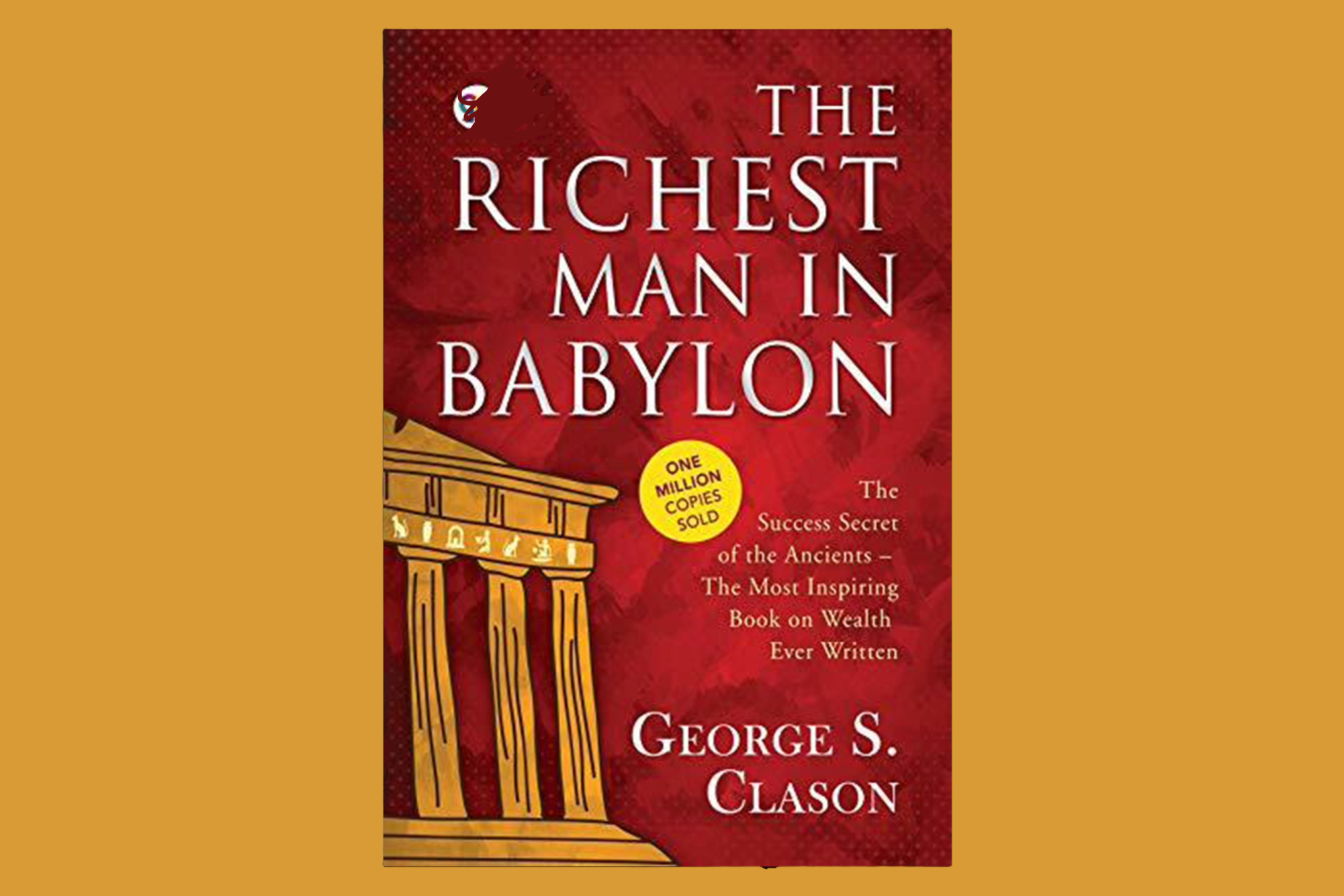
Published nearly a century ago, George S. Clason’s “The Richest Man in Babylon” is a classic wealth-building book focused on understanding personal finance. The financial novel is a collection of short informational pamphlets and a digestible series of short, story-like lessons.
Set in the ancient city of Babylon in Mesopotamia, the book brings its financial lessons to life through memorable characters who represent different attitudes toward money and success. The central figure is Arkad, known as the richest man in Babylon, who shares the knowledge he gained throughout his life, as he started as a poor scribe who eventually built great wealth.
Other characters, such as Bansir and Kobbi, begin the story frustrated by their lack of money and seek guidance on how to improve their situations. As they question why they work hard yet still remain in the lower class, they turn to Arkad for advice, leading to a series of discussions in which he explains the mindset and habits he changed that brought him to his current position.
As the story progresses, Arkad is asked by the king to help teach the people of Babylon how to grow and protect their wealth. As different characters’ stories unfold, readers see characters face setbacks, learn from mistakes and slowly transform their futures by applying the lessons they are given.
Throughout the book, Clason organizes his message into six main lessons, which he said are the key principles to becoming wealthy. Each lesson focuses on a specific habit or mindset that contributes to long-term financial success.
The first major lesson is to save at least 10% of what you earn. This idea, often described as “paying yourself first,” serves as the foundation for building wealth. Instead of spending all your income and saving what is left over, the book teaches that saving should come first. By consistently setting aside a portion of their earnings, individuals begin creating financial security and developing discipline with money.
The second lesson focuses on controlling your spending. The book explains that many people struggle financially not because they earn too little, but because they spend too much on unnecessary wants. Through careful budgeting and thoughtful decision-making, individuals can learn to live within their means. This lesson highlights the importance of self-control and prioritizing long-term stability over short-term satisfaction.
The third lesson is to invest your savings. Simply saving money is not enough; the book stresses the importance of putting your savings to work so they can grow. Through smart and cautious investments, money can multiply over time. This lesson emphasizes patience, planning and the idea that wealth grows steadily when managed wisely.
The fourth lesson encourages readers to build their own house. Owning a home is presented as both a practical and financial investment. Instead of paying rent without gaining ownership, investing in property can provide stability and long-term value. This lesson connects financial responsibility with creating a secure and lasting future.
The fifth lesson teaches readers to secure your and your family’s future. The book emphasizes the importance of planning ahead and protecting wealth through wise decisions. By preparing for unexpected challenges and thinking long-term, individuals can ensure that their families remain financially stable. This lesson highlights responsibility not just to oneself but also to loved ones.
The sixth and final lesson is to keep learning your craft. Personal and professional growth are shown to be essential for increasing one’s ability to earn. By improving skills, gaining knowledge and striving to become better at what you do, you create more opportunities for financial success. This lesson reinforces the idea that wealth is not only built through money management but also through continuous self-improvement.
Ultimately, Clason’s parables prove that while the world has changed since the days of ancient Babylon, the core principles of building wealth are truly universal and timeless. By focusing on simple habits like discipline and continuous growth, the book shows that financial success isn’t about luck, but about following timeless rules that work just as well today as they did centuries ago.
People should read this book because its lessons are simple, practical and directly applicable to everyday financial decisions. At a time when managing money is an essential life skill. The “Richest Man in Babylon” provides clear guidance that can help one build long-term stability and confidence in their financial future.