

“Why do I keep doing this to myself if it’s making me feel so bad?” Alpine skier Sophia Wenberg said, describing her feelings about skiing when the season gets hectic. This is not an uncommon sentiment among student athletes trying to balance their sports and academics.
Dealing with the myriad responsibilities stemming from classes, practice, homework and competition can very easily lead to burnout.
The National Athletic Trainers Association defines athletic burnout as a response to the demands of a sport, with no time for rest. Athletic burnout is characterized by athletic performance plateauing or diminishing, difficulty concentrating, declining performance in school, illnesses, irritability and low self-esteem.
This kind of burnout can be caused by a number of factors, either internal or external. Internal factors include perfectionism, loss of love for the sport and high expectations. External factors can include injury, physical exhaustion and excessive time commitments.
Dancer Aurora Schaffer believes that her many commitments are what may lead to her burnout.
“I’m just really tired and I don’t feel like going to dance,” Schaffer said. “I’m just so tired from everything on top of schoolwork.”
Balancing both school and sports is not a unique problem among student athletes. Being successful in a sport on top of at least 45 minutes of homework from six classes is no simple task.

Wenberg said “I’m just kind of scared that I’ll fail in either school or skiing.”
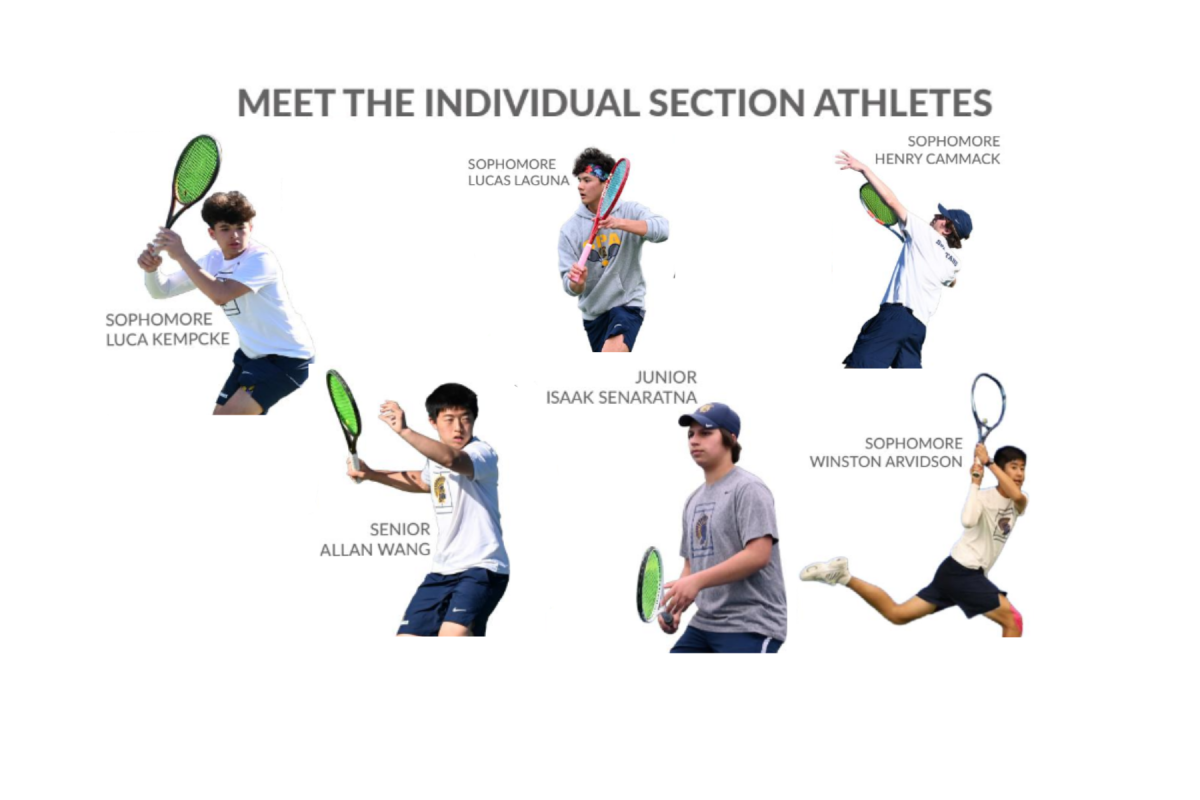
Tennis player Luca Kempcke feels differently about balancing his sport with the other commitments of his life.
He appreciates the planning and organization being so involved in his sport forces upon him. “[Tennis] helps you manage both components of your life … which makes it a lot harder to get stressed about certain things,” Kempcke said.
School and other commitments are not the only reason for athletic burnout. This mental state can result from an increase in demand from the sport.
“I have four hour practices every single day, and then training days and races on the weekends. So it’s pretty easy to get burnt out,” Alpine skier Sophie Ferrer said.
The amount of practice can make a sport that was once loved feel frustrating.
Kempcke feels the onset of burnout from feeling stuck. “It’s kind of hard managing that I’m the best player on the court sometimes,” he said, “because then I feel like I can’t progress or learn anymore.”
When all of these stressors pile up, the pressure of burnout can weigh down an athlete.
“I found myself more irritable because then I just found myself harder to play within myself,” Kempcke said.
Schaffer feels the weight of burnout on her practice time.
“I feel like I love [dance], but sometimes it definitely makes me not want to go as long,” Schaffer said.
Ferrer shares that sentiment. She is able to acknowledge her love for the sport, but ends up trying to avoid practice, or fearing when the time comes to don her skis.
When burnout feels insurmountable, a cure of any sorts can feel impossible to find. That being said, the treatment for athletic burnout is rest. The time that rest takes relies on many factors, but taking breaks and stepping back is the only way to return to the sport at full force.
“I’ve started to take more breaks within the week. Instead of training four of the five days, I only trained three just to ease the pressure off my shoulders,” Wenberg said.
While the pressure of athletics can feel intense and all consuming, overtraining and stress is a gateway to burnout. “I think [sports are] easy to balance with mental health, if you just love what you’re doing so much,” Ferrer said.
When something that is well loved feels more like a struggle, these student athletes believe it’s okay to take a break.